CHOOSE YOUR PAYMENT METHOD
×
Pay with Credit Card
Pay with Bank Account (ACH)
Close
TALK TO AN EXPERT
×
[forminator_form id="1909"]
Close
  • Skip to main content
Spring Special: $79 First Treatment (Save $200)
Redeem Offer
  • Services
    • Ants
    • Bed Bugs
    • Cockroaches
    • Fleas
    • General Bugs
    • Moles and Gophers
    • Rodents
    • Spiders
    • Wasps
  • Locations
    • Portland
    • McMinnville
    • Newberg
    • Salem
    • Willamette Valley
    • Eugene
    • Roseburg
    • Southern Oregon
    • Oregon Coast
  • Plans and Pricing
  • Contact us
  • More
    • About Us
    • Blog
    • Commercial Pest Control
    • Frequently Asked Questions
    • Meet Your Technician
    • Pay Bill
    • Privacy policy
541-636-0146

Pest Control

Kid’s Safety from Pests and Pesticides

April 1, 2025 by Jacob Lander

Pests, such as insects, rodents, and other organisms, can pose significant health risks to children. They can carry diseases, cause allergic reactions, and even lead to injuries. On the other hand, pesticides, while effective in controlling these pests, can also pose health risks if not used properly. 

They contain chemicals that can be harmful, especially to children who are more vulnerable due to their developing bodies and immune systems.

This complete guide aims to provide comprehensive information about pests, pesticides, and how to ensure your child’s safety from these potential hazards.

What Are the Common Pests That Can Harm My Child?

In residential settings, several pests can pose a risk to children due to their potential to spread diseases, cause allergic reactions, or inflict physical harm.

Here are some of the most common pests that can harm children:

Cockroaches
Cockroaches are known carriers of several pathogens, including E. coli and Salmonella, which can cause gastrointestinal illnesses.

According to a study published in the New England Journal of Medicine, children in inner-city areas who are allergic to cockroach allergens and exposed to high levels of these allergens experience significantly more asthma-related health problems.

These include higher rates of hospitalizations, unscheduled medical visits, and missed school days. This pattern was not observed for children allergic to dust mites or cat dander, even with high allergen exposure.

Rodents

Mice and rats can spread diseases such as Hantavirus and Leptospirosis through their urine and droppings. They can also cause physical harm through bites, which can lead to secondary infections.

Mosquitoes

These pests are vectors for several diseases, including West Nile virus, Zika virus, and various forms of encephalitis. While these diseases are relatively rare, mosquito bites can still cause discomfort and allergic reactions in some children.

Ticks
Ticks are known to transmit Lyme disease and other tick-borne illnesses. These diseases can have serious long-term health effects if not treated promptly.

According to a study published in Clinical and Diagnostic Laboratory Immunology, children are particularly vulnerable to tick-borne infections like Rocky Mountain spotted fever (RMSF) and Lyme disease, which occur more frequently in this age group.

Symptoms in children can mimic common illnesses, making diagnosis challenging. Prompt recognition and treatment are crucial to prevent severe complications such as arthritis, meningitis, and long-term neurological effects.

Bedbugs

While bedbugs do not transmit diseases, their bites can cause itchy, red welts. Some children may have allergic reactions to bedbug bites, and excessive scratching can lead to secondary skin infections. which is why proper bed bug treatment is essential for protecting your child’s health.

Fleas

Fleas can cause itchy bites and are known to transmit diseases such as typhus and plague. They can also serve as intermediate hosts for tapeworms, which can infect children if accidentally ingested.

Ants

Certain species of ants, such as fire ants, can inflict painful bites or stings. In rare cases, these stings can cause severe allergic reactions.

“Ants are the dominant insects of the world… [they] make up two-thirds of the biomass of all the insects.” ~ E. O. Wilson, Entomologist

Spiders

While most spiders are harmless, some species, such as the black widow and the brown recluse, can deliver venomous bites that require medical attention.

How Can Pests Affect My Child’s Health?

Pests can have a significant impact on a child’s health, primarily through the transmission of diseases and the triggering of allergies and asthma. Here’s a closer look at how these factors can affect a child’s health:

Disease Transmission

Many pests are carriers of harmful pathogens that can cause diseases in humans. For instance:

  • Rodents such as rats and mice can transmit Hantavirus, Salmonellosis, and Rat-Bite Fever.
  • Mosquitoes are known carriers of diseases like Zika, West Nile Virus, and Malaria.
  • Ticks can transmit Lyme disease, which can lead to severe health complications if left untreated.
  • Cockroaches and flies can contaminate food and surfaces with bacteria like E. coli and Salmonella.

Allergies and Asthma

Pests can also trigger allergies and asthma in children.

For example:

  • Dust mites are a common cause of allergic reactions. They thrive in warm, humid environments and are often found in bedding, upholstered furniture, and carpets.
  • Cockroach allergens can trigger both allergies and asthma. These allergens come from the roach’s body, saliva, and droppings.
  • Stinging insects like bees and wasps can cause severe allergic reactions, including anaphylaxis, a potentially life-threatening condition.

Bites and Stings

Some pests can directly harm children through bites and stings.

Spider bites, for instance, can cause pain, swelling, and in some cases, more severe symptoms like fever and muscle pain.

Similarly, stings from bees, wasps, or hornets can cause pain, swelling, and allergic reactions.

Mental Health Impact

The presence of pests can also lead to psychological distress in children. Fear and anxiety about pests can disrupt sleep, affect concentration, and lead to feelings of embarrassment or stigma.

Understanding these potential health impacts underscores the importance of effective pest control in homes and other environments where children spend time.

What Are Pesticides and How Are They Used?

pesticide exposure pathways for children

Pesticides are substances used to prevent, destroy, repel, or mitigate any pest ranging from insects, animals, and weeds to microorganisms such as fungi, mold, bacteria, and viruses.

They play a crucial role in maintaining the quality and yield of crops, protecting public health by controlling pests that carry diseases and preventing damage to homes and properties.

There are several types of pesticides, each designed to control specific pests. Here are some of the most common types:

  • Insecticides: Used to control insects.
  • Herbicides: Used to control weeds.
  • Rodenticides: Used to control rodents.
  • Fungicides: Used to control fungi, mold, and mildew.
  • Bactericides: Used to control bacteria.
  • Virucides: Used to control viruses.

Pesticides are used in a variety of ways depending on their purpose and the type of pest they are designed to control. They can be applied directly to plants, soil, water, and indoor spaces, or used in bait stations where pests are likely to find and consume them.

Pesticide Application Techniques

Some pesticides are designed to be ingested by pests, while others work by contact. The method of application also varies. Some common methods include:

Spraying

This is the most common method of pesticide application. Pesticides are mixed with water and sprayed onto the target area.

Fumigation

In this method, pesticides are released into the air or soil as a fog or smoke. This technique is particularly effective for penetrating hard-to-reach areas and ensuring comprehensive coverage.

Injection

Pesticides are injected directly into the soil or into the pest. This method targets specific areas, reducing the risk of exposure to non-target organisms and minimizing environmental impact.

Seed Treatment

Seeds are coated with pesticides before planting to protect them from pests.

It’s important to note that while pesticides are effective in controlling pests, they should be used responsibly to minimize potential harm to non-target organisms and the environment. Always follow the manufacturer’s instructions for use and disposal.

Are All Pesticides Harmful to Children?

Pesticides, by their very nature, are designed to kill or repel pests, including insects, rodents, weeds, and fungi. However, their impact is not limited to pests alone. That’s one of the reasons proper application by a professional is often so important.

If proper safety standards are not strictly followed, they can also pose potential risks to humans, particularly children. This is due to children’s smaller size, developing organs, and behaviors that may increase their exposure.

According to a report by the U.S Environmental Protection Agency, 50 percent of the 2 million poisoning incidents each year involve children younger than six years old, and 90 percent of these incidents occur in the home, highlighting the importance of proper storage and handling of pesticides to prevent such incidents.Homeowners who lack proper training are especially suseptible to health and safety incidents.

pesticide effects on human health

Not all pesticides are created equal. The toxicity of pesticides can vary greatly, depending on their specific chemical composition, concentration, and length and frequency of exposure. Some pesticides are relatively low in toxicity to humans, while others can be extremely harmful, even in small amounts. When addressing a pest issue, selecting the right pesticide is especially important. Some pesticides may be effective, but pose to great of a safety risk to be responsibly used. A professional is trained to make those calls given the specific situation.

Here are some key factors to consider:

Chemical Composition

Pesticides are a broad group of chemicals, each with its own specific properties and toxicity levels. For instance, organophosphates and carbamates, commonly used in many insecticides, are known to be highly toxic to humans. On the other hand, some biopesticides derived from natural materials like animals, plants, bacteria, and certain minerals are generally considered safer for humans.

Concentration

The concentration of the pesticide also plays a significant role in its potential harm. Higher concentrations of a pesticide can be more harmful than lower concentrations of the same pesticide. More is not better when it comes to pesticides and mix rates. You, or the pro you hire, must strictly adhere to label guidelines. Proper mix rates within the safe limit will be determined by the season, exterior temperature, and nature of the pest infestation. 

Exposure

The risk associated with a pesticide is not just about its inherent toxicity, but also about the extent of exposure. Children who play in treated areas or put objects in their mouths can ingest pesticides, leading to potential health risks. Many pesticides require proper dry time before children should be allowed in the treated area. Consult a professional if there is any question.

According to a report published by the World Health Organization (WHO), children are at higher risk because they often play on the ground where pesticides may be present and frequently put objects in their mouths, leading to greater pesticide exposure compared to adults.

Age of the Child

Younger children, especially those under the age of six, are at a higher risk. Their bodies are still developing, and they are more likely to put their hands or other objects in their mouths, increasing the risk of ingestion.

While it’s true that not all pesticides are equally harmful, it’s crucial to remember that even those deemed ‘safer’ are not entirely without risk.

Therefore, it’s always best to minimize children’s exposure to pesticides whenever possible, use the least toxic methods of pest control, and always follow label instructions when using any pesticide product. Hiring a pest professional can mitigate many of these risks.

What Are the Potential Health Risks of Pesticides to Children?

Pesticides, by their very nature, are toxic substances designed to control or eliminate pests. When children are exposed to these substances, they can experience a range of health effects due to their developing bodies and higher rates of metabolism.

symptoms that might indicate pesticide poisoning.

The potential health risks can be categorized into immediate and long-term effects.

Immediate Health Effects

Immediate health effects, also known as acute effects, can occur shortly after exposure. These effects can range from mild to severe, depending on the type of pesticide, the amount, and the duration of exposure. The most common immediate health effects include:

Irritation

Pesticides can cause irritation to the skin, eyes, and respiratory tract. Symptoms may include redness, itching, coughing, and wheezing.

Poisoning

Ingestion, inhalation, or skin contact with certain pesticides can lead to poisoning. Symptoms can vary widely, from nausea, vomiting, and diarrhea to seizures, unconsciousness, and in severe cases, death.

Allergic Reactions

Some individuals may have allergic reactions to certain pesticides, resulting in symptoms such as skin rashes, difficulty breathing, and anaphylaxis.

Long-Term Health Effects

Long-term health effects, also known as chronic effects, can occur after repeated or prolonged exposure to pesticides. These effects may not be apparent immediately and can sometimes take years to manifest. The most common long-term health effects include:

Neurological Effects

Some pesticides are neurotoxins and can affect the nervous system, leading to problems such as memory loss, loss of coordination, reduced speed of response to stimuli, reduced visual ability, altered or reduced motor skills, and even permanent brain damage.

Cancer

According to a study by the National Center for Biotechnology Information, environmental exposure to pesticides may be associated with childhood acute lymphoblastic leukemia (ALL).

Other studies have also linked pesticide exposure to various types of cancer, including non-Hodgkin lymphoma, brain, bone, breast, ovarian, prostate, testicular, and liver cancers.

Endocrine Disruption

According to a study published by the National Center for Biotechnology Information, pesticides act as endocrine-disrupting chemicals (EDCs) that interfere with natural hormones in children. They can bind to estrogen or androgen receptors, either mimicking (agonist action) or blocking (antagonist action) the natural hormone’s function.

Furthermore, EDCs can disrupt the synthesis, transport, metabolism, and elimination of hormones, leading to decreased levels of natural hormones in the body.

Developmental Effects

According to a study published by the National Center for Biotechnology Information, pesticides can negatively impact neurological and behavioral development, resulting in slower neonatal reflexes, delayed psychomotor development, and other behavioral issues in children.

It’s important to note that the severity and type of health effects can vary greatly depending on the specific pesticide, the level and duration of exposure, and the age and health status of the individual.

Therefore, it’s crucial to minimize children’s exposure to pesticides whenever possible and to use safer alternatives when available. A trained professional will use proper personal protective equipment and follow treatment methods to keep children safe from pests and pesticides. 

What Should I Do if My Child Is Exposed to Pesticides?

If your child is exposed to pesticides, it’s crucial to take immediate action to mitigate potential health risks.

Here’s what you should do:

Step 1: Identify the Pesticide

Try to identify the pesticide your child has been exposed to. This information will be crucial for medical professionals to provide appropriate treatment. Look for any containers, sprays, or baits that your child might have accessed.

Step 2: Remove the Pesticide

If the pesticide is on your child’s skin or clothing, remove the contaminated clothing and wash the skin with soap and water. Avoid scrubbing the skin as it can increase absorption.

Step 3: Prevent Further Exposure

Move your child away from the area of exposure to prevent further contact with the pesticide. If the pesticide was ingested, do not induce vomiting unless instructed to do so by a healthcare professional or poison control center.

Step 4: Seek Medical Attention

Call your local poison control center or seek immediate medical attention. Provide them with as much information as possible about the pesticide, including the product name, ingredients, and the manner of exposure.

Step 5: Follow Medical Advice

Follow the advice given by medical professionals or the poison control center. They may recommend specific treatments or observations based on the type and extent of exposure.

Prevention is the best way to protect your child from pesticide exposure. Always store pesticides out of reach of children, follow label instructions carefully, and consider using non-chemical pest control methods whenever possible.

How Can I Protect My Child From Pests Without Using Pesticides?

Proper selection and application of pesticides will result in effective results without sacrificing safety. Additional measures can be taken to protec children from pests without resorting to pesticides. This involves a combination of preventive measures, natural deterrents, and non-chemical pest control methods. A trained professional pest control technician will not only use pesticides, but use methods to limit or eliminate the need for pesticides.

ways to control pest populations

Here are some strategies you can employ:

Maintain a Clean Environment

Pests are attracted to food and water sources. Regular cleaning, proper food storage, and immediate cleanup of spills can significantly reduce the likelihood of a pest infestation.

Seal Entry Points

Pests can enter homes through cracks and gaps in walls, doors, and windows. Regularly inspect your home for potential entry points and seal them promptly.

Manage Outdoor Spaces

Overgrown vegetation and accumulated debris can provide shelter for pests. Regularly trim plants, remove dead leaves, and keep outdoor areas tidy to discourage pests.

Use Physical Barriers

Screens on windows and doors can prevent pests from entering your home. In gardens, netting and row covers can protect plants from pests.

Employ Biological Control

This involves using the natural enemies of pests, such as predators, parasites, or pathogens, to control their population. For example, ladybugs and spiders can help control aphids and other harmful insects.

Use Non-Chemical Traps

Traps can be effective for controlling certain types of pests. For example, sticky traps for insects, snap traps for rodents, or pheromone traps for certain types of moths and beetles.

Use Natural Repellents

Certain plants, essential oils, and other natural substances can repel pests. For example, citronella candles can deter mosquitoes, while peppermint oil can deter rodents.

The key to effective pest control without pesticides is regular monitoring and early intervention. By taking these steps, you can create a safer environment for your child and reduce their exposure to harmful pests and chemicals.

“In temperate zones, winter is the best insecticide; it keeps the bugs in check. The tropics enjoy no such respite.” ~ Gregory Benford, Astrophysicist and Science Fiction Author

What Are Some Natural Alternatives to Pesticides?

Natural alternatives to pesticides are gaining popularity due to their lower toxicity levels and environmental impact. These alternatives are often less effective  than traditional pesticides in controlling and preventing large pest infestations, but they are options to consider, especially for targeted, minor pest issues. 

Here are some natural substances that can be used as alternatives to chemical pesticides:

Diatomaceous Earth

This is a type of powder made from the fossils of marine phytoplankton. It’s completely natural and safe for humans, but deadly for insects. When bugs come into contact with diatomaceous earth, they absorb the oils in their skeletons, which dehydrates and kills them.

Essential Oils

Certain essential oils, such as peppermint, citronella, and lemongrass, are known to repel various types of pests. They can be used in a diffuser or mixed with water and sprayed around the home.

Neem Oil

Extracted from the seeds of the neem tree, this oil is a powerful natural insecticide. It disrupts the life cycle of insects at all stages (adult, larvae, and egg), making it a great choice for treating infestations.

Vinegar

This common household item can be used to deter ants and other small insects. A solution of equal parts water and vinegar can be sprayed directly onto the pests or in areas where they are commonly found.

Boric Acid

This is a naturally occurring compound that is lethal to many types of insects, including cockroaches and ants. It can be sprinkled in areas where pests are likely to walk through, and they will carry it back to their colonies.

Biological Control

This involves using the pests’ natural enemies to control their population. This could be other insects, birds, or even microorganisms. Many professional pest control companies are using natural products due to their effectiveness.

It’s important to note that while these natural alternatives are safer than chemical pesticides, they should still be used with caution. Always follow the manufacturer’s instructions and keep them out of reach of children.

How Can I Safely Use Pesticides at Home?

A licensed, trained professional is trained to responsibly take care of pests without putting you, your children, or your pets at risk. Should you choose to use pesticides yourselfinstead of hiring a professional,  careful handling and adherence to safety guidelines should always be followed to minimize risks, especially when children are present.
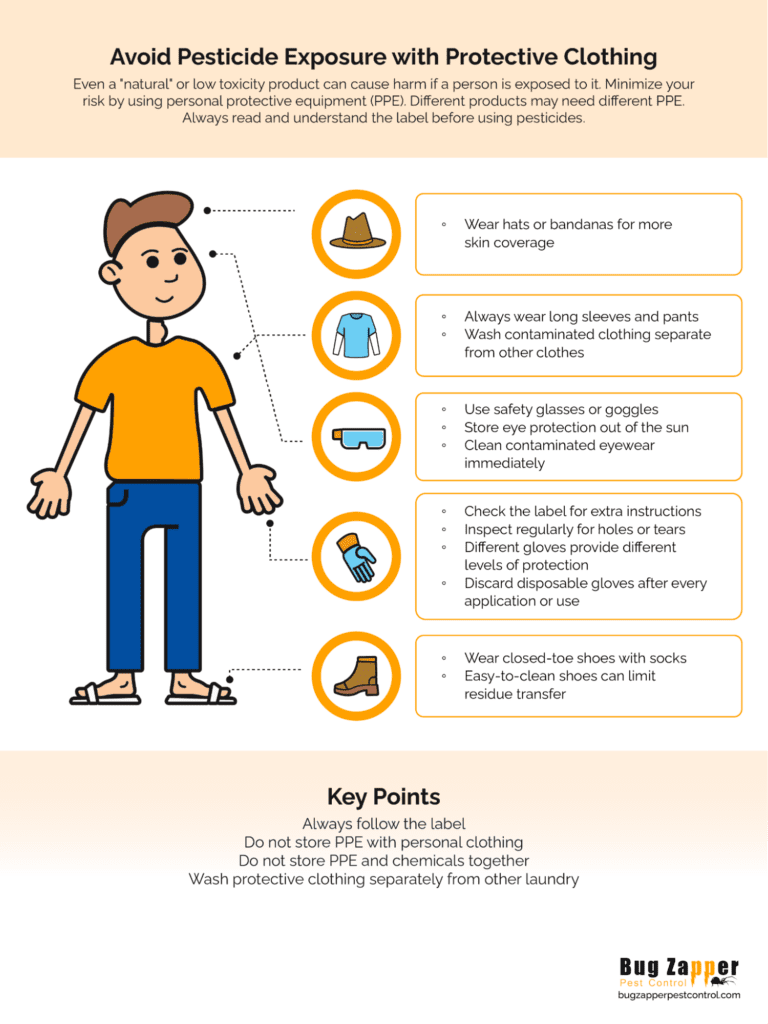
Here are some key points to consider:

Read and Follow the Instructions

Always read the product label and follow the instructions precisely. The label provides essential information about the correct usage, dosage, and storage of the pesticide. It also includes first aid instructions in case of accidental exposure.

Use the Correct Dosage

Over-application of pesticides can increase health risks and is often unnecessary for effective pest control. Use the recommended amount as stated on the product label.

Avoid Food and Water Contamination

Keep pesticides away from food and water sources. After using pesticides, wash your hands thoroughly before eating or drinking.

Proper Storage

Store pesticides in a locked cabinet or a high shelf out of reach of children. Never transfer pesticides to other containers, especially food or drink containers, as this can lead to accidental ingestion.

Ventilation

Ensure good ventilation during and after pesticide application. This helps to disperse any pesticide particles in the air and reduce inhalation risks.

Disposal

Dispose of empty pesticide containers safely and responsibly. Many local waste facilities offer pesticide disposal services.

Emergency Preparedness

Keep the contact information of your local poison control center handy. In case of accidental exposure, seek medical help immediately.

The safest way to use pesticides is to minimize their use. Consider alternative pest control methods and use pesticides as a last resort. Always prioritize the health and safety of your family.

Are There Any Laws or Regulations About Pesticide Use Around Children?

In many countries, there are specific laws and regulations in place to control the use of pesticides, especially in environments where children are present. These laws are designed to minimize the risk of exposure and protect the health and safety of children.

Firstly, it’s important to note that the sale and use of certain pesticides are strictly regulated. Some pesticides, due to their high toxicity and potential harm to children, are banned for residential use. These include organophosphates and carbamates, which are known to affect the nervous system.

Secondly, many jurisdictions require that pesticides be applied by licensed professionals when used in public spaces such as schools and parks. These professionals are trained to handle pesticides safely and are knowledgeable about the correct application methods to minimize exposure risk.

In the United States, for example, the Environmental Protection Agency (EPA) regulates the use of pesticides under the Federal Insecticide, Fungicide, and Rodenticide Act (FIFRA). The EPA sets standards for pesticide application, storage, and disposal, and it also requires that pesticide labels carry warnings and instructions for safe use.

Some states have additional laws regarding pesticide use in schools. For instance, the School Environmental Protection Act (SEPA) in California requires schools to implement integrated pest management (IPM) programs and restricts the use of certain pesticides on school grounds.

In the European Union, the Sustainable Use Directive (SUD) aims to achieve a sustainable use of pesticides by reducing the risks and impacts of pesticide use on human health and the environment. It promotes the use of IPM and techniques such as organic farming which are less reliant on pesticides.

It’s crucial for parents and caregivers to be aware of these laws and regulations, and to ensure that any pesticide use in their homes or in places where their children spend time complies with these standards. If you suspect that pesticides are being misused or improperly handled, you should report it to your local health department or environmental protection agency.

Ensure Your Child’s Safety from Pests and Pesticides

The safety of children in relation to pests and pesticides is a multifaceted issue. It involves understanding the potential harm caused by common pests, the use and effects of pesticides, and the potential health risks they pose to children.

While there are alternatives to chemical pesticides, their effectiveness varies and they should be used with caution. Legal regulations exist to control the use of pesticides, especially around children.

For further information, numerous resources are available, including scientific research and organizations dedicated to child safety and pesticide use. It is crucial to stay informed and take proactive measures to ensure the safety of children in relation to pests and pesticides.

Contact Bug Zapper Pest Control at 541-636-0146 with any questions or to hire a trained professional to take care of a pest issue, without putting your children at risk. 

References

  1. Rosenstreich, D.L. et al. (1997) ‘The Role of Cockroach Allergy and Exposure to Cockroach Allergen in Causing Morbidity among Inner-City Children with Asthma’, New England Journal of Medicine, 336(19), pp. 1356–1363. Available at: https://doi.org/10.1056/nejm199705083361904.
  2. ‌Bryant, K.A. and Marshall, G.S. (2000) ‘Clinical Manifestations of Tick-Borne Infections in Children’, Clinical Diagnostic Laboratory Immunology, 7(4), pp. 523–527. Available at: https://doi.org/10.1128/cdli.7.4.523-527.2000.
  3. ‌Pesticides and Their Impact on Children: Key Facts and Talking Points (no date). Available at: https://19january2017snapshot.epa.gov/sites/production/files/2015-12/documents/pest-impact-hsstaff.pdf.
  4. ‌Information for Advocacy and Action Childhood Pesticide Poisoning Childhood Pesticide Poisoning (2004). Available at: https://cdn.who.int/media/docs/default-source/childrens-environmental-health/pestpoisoning.pdf?sfvrsn=4317cd2f_1#:~:text=Key%20risks%20are%20cancer%2C%20birth (Accessed: 23 May 2024).
  5. ‌Mancini, M. et al. (2023) ‘Association between Residential Proximity to Viticultural Areas and Childhood Acute Leukemia Risk in Mainland France: GEOCAP Case-Control Study, 2006-2013’, Environmental Health Perspectives, 131(10), p. 107008. Available at: https://doi.org/10.1289/EHP12634.
  6. ‌Mnif, W. et al. (2011) ‘Effect of Endocrine Disruptor Pesticides: A Review’, International Journal of Environmental Research and Public Health, 8(6), pp. 2265–2303. Available at: https://doi.org/10.3390/ijerph8062265.
  7. ‌Juntarawijit, Y. et al. (2020) ‘Chlorpyrifos and other pesticide exposure and suspected developmental delay in children aged under 5 years: a case-control study in Phitsanulok, Thailand’, F1000Research, 9, p. 1501. Available at: https://doi.org/10.12688/f1000research.27874.5.
  8. ‌School Environment Protection Act (SEPA) Bill Summary The School Environment Protection Act (SEPA) ensures a healthy learning environment for children through the management of school buildings and school grounds without toxic pesticides (no date). Available at: https://www.beyondpesticides.org/assets/media/documents/schools/sepa/documents/SEPAbillsummary.pdf (Accessed: 23 May 2024).

Read Article

Filed Under: Pest Control

Town and Country Pest: Your Local Pest Solutions

July 10, 2024 by Jacob Lander

New Pest Control Packages From Bug Zapper

Bug Zapper is excited to announce our all-new, affordable, pest control packages. We have updated pricing, plans, and methods to keep you happy and keep pests out! You will still find the same incredible customer care and guaranteed results but now offer more options!

As Oregon’s top pest control provider, we pride ourselves on industry innovation and unparalleled customer satisfaction. We have always been dedicated to providing our clients with upfront pricing, expeditious services, and – of course – guaranteed results. As part of our unwavering commitment to quality and customer care, our team has listened to customer feedback and is expanding our services and pricing plans!

Here are some of the most exciting changes in our newly updated plans.

All Bugs Package

Our flagship home protection plan, this plan is ideal for anyone looking for regularly scheduled residential pest control service with a no bugs guarantee. We treat routinely every 60-90 days and you get unlimited treatments anytime in between if you have any bug issues. When wanting the peace of mind that comes with knowing that every pest and unwanted invader in your home has been entirely eradicated our brand new All Bugs package is for you – you read that right, this covers all bugs. This service option treats all the common bugs of Oregon (like ants, spiders, wasps, yellow jackets, moths, beetles, roaches – even nasty bed bugs – and more!). This package comes with our No Bugs Guarantee, meaning you can have 100% confidence knowing that your space is completely rid of creepy crawlies. If you want all your bugs gone for good, then this super convenient, the all-in-one plan is for you!

Learn more about the All Bugs Package.

Rodent Barrier

How can your monthly pest control service get any better? Glad you asked! For those in need of added protection from mice, the All Bugs service comes with an optional add-on for Rodent Barrier. This incredible value combines all the effectiveness of the All Bugs treatment with our comprehensive Rodent Barrier protection package. The rodent barrier is an add-on only available with the All Bugs Package and includes up to 6 rodent bait stations.

Advanced Rodent Control Services

Rodents are a huge concern. We’ve been busy creating the best possible solutions to eliminate rodents and mice and keep these furry foes out of your house. One of the most exciting new offerings we have added is the use of night vision cameras for monitoring. This super unique pest control solution allows technicians and customers to see pest activity first-hand and allows our service professionals an unprecedented look at localized pest behaviors – ensuring that every rodent issue receives the perfect solution.

One of the most comprehensive and thorough solutions for rodent control that we’ve been developing for years is the new Rodent Lockout Service – a service that not only gets rid of rodents inside a home but also keeps rats and mice from ever getting inside of a home. Guaranteed for life. A lifetime without rodents is guaranteed! Now that’s peace of mind. You won’t find a service and guarantee like this from any other pest control company and we’re incredibly excited to be able to provide this amazing service.

Whatever your budget or rodent need, we have a solution to help.

Learn more about new rodent control plans.

New Plans, Same Guarantee

We’re incredibly excited about our new pest management plans, as well as the customization and value that they deliver to you. As with all Bug Zapper services, you can rest easy knowing that you’re getting the very best the industry has to offer… and they wouldn’t be Bug Zapper services if they weren’t backed by our famous Love-It Guarantee. Come find all the reasons to love our new comprehensive packages, and discover the beauty of living pest free!

Call or Text

(541) 636-0146

For Information Today!

Read Article

Filed Under: Pest Control

Termites in Oregon: Are Termites a Problem in Oregon?

July 10, 2024 by Jacob Lander

The thought of termites can make your skin crawl, especially if you think about them invading your home. But are termites in Oregon a serious problem? 

Yes. Because of the damp, humid spring weather in Oregon, termites are a common pest. They love the weather conditions in the Pacific Northwest. Frequent rains can cause excess moisture in homes, which they find extremely inviting. Here’s what you need to know about termites in Oregon and how you can prevent an invasion.

Termite Tidbits

There are over two thousand different species of termites, with over forty species in the United States alone. Termites are known as silent destroyers since they may be secretly hiding and thriving in your home without any immediate signs of damage. They may be silent, but they are costly. These wood-munching pests cause billions of dollars of damage each year in the States.

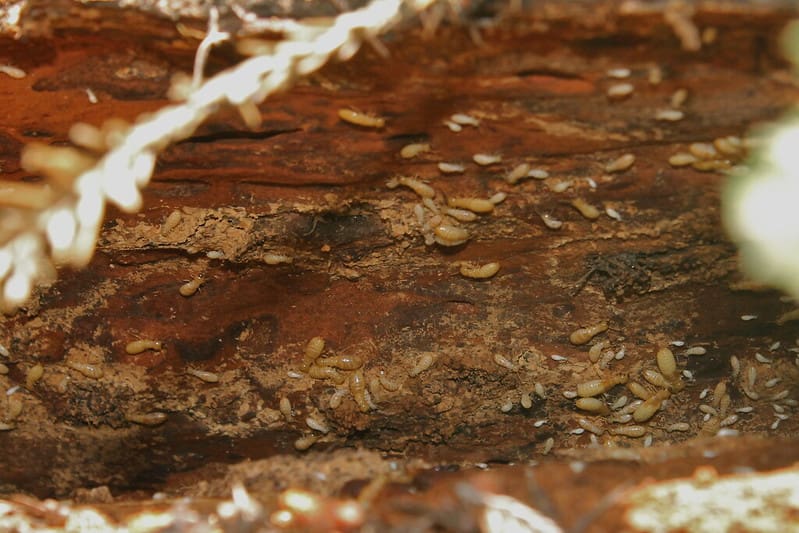
Photo Credit Edward Rooks

There are four types of termites, but the most common in Oregon are the Pacific dampwood termite and the Western Subterranean termite. While each species thrives in different climates and eats different food sources, they all need four things to survive (which all homes provide):

  1. Food
  2. Moisture
  3. Shelter
  4. Optimal temperature

Western Subterranean Termites: Silent House Invaders

These elusive insects are native to the Western part of the United States, making Oregon one of their natural habitats. They thrive in the moist Pacific Northwest climate, which provides ideal conditions for them.

How to Spot a Western Subterranean Termite

The Western Subterranean termite has a discreet appearance. It’s small, measuring about 1/8 to 3/8 inches in length, and is creamy white to pale brown in color, with a soft body.

Eating Habits

These termites are notorious for their wood-devouring tendencies. They feed on cellulose, a component found in wood and plant materials. Their relentless appetite for wood makes them a significant threat to homes.

Mating Habits

Western Subterranean termite groups have a simple and effective mating ritual. They swarm in late winter or early spring, during which winged reproductive termites emerge from their colonies to mate. After mating, they shed their wings and search for suitable locations to establish new colonies.

Subterranean termites live in large colonies with various castes, including workers, soldiers, and reproductives (kings and queens). A single colony can contain hundreds of thousands of termites. 

How They Gain Access to Homes

  • Soil-to-wood contact. They build mud tubes, which serve as protected pathways, allowing them to access wooden structures from the soil.
  • Cracks and gaps. Termites can enter through even the tiniest cracks or gaps in a home’s foundation.
  • Cellulose-rich material. If your home contains untreated wood or cellulose-rich materials, it can attract termites.

Eliminating Home Infestations

If you suspect a Subterranean termite infestation, you need to act fast, whether through DIY solutions or professional methods:

  • Remove infested wood. Remove and replace infested wood to prevent the colony from spreading.
  • Boric acid. A boric acid and water mixture can be applied to termite-infested wood as a DIY treatment.
  • Soil treatment. Professional pest control companies can treat the soil around your home’s foundation to create a barrier that repels termites.
  • Baiting systems. Termite bait stations can be installed around your property to attract and eliminate the termite colony.
  • Fumigation. In severe cases, fumigation may be necessary to eliminate termites from the entire structure. 

Western Subterranean termites are the most destructive termites in Oregon, causing expensive damage to homes and buildings by destroying foundations, wooden support beams, plastic plumbing pipes, subflooring, and insulation. These tiny terrors can be even harder to discover since they typically live underground or near the base of homes. Preventive measures, DIY methods, and professional help can ensure your home remains termite-free.

Dampwood Termites: The Moisture-Loving Home Invaders

Dampwood termites may not be as notorious as their Subterranean cousins, but they also pose a threat to homes, especially in damp regions like Oregon. Let’s dive into their world, from their appearance to their habits, and how to keep them from making your home their own.

How to Spot a Dampwood Termite

Dampwood termites have distinctive characteristics. The Pacific dampwood termite is the largest of the common Northwest termite species. It is larger than a Subterranean termite, with an adult dampwood termite reaching up to one inch in length. A dampwood termite’s color varies from light to dark brown, with a robust cylindrical body.

Eating Habits

Dampwood termites, as their name suggests, primarily feed on moist wood. They are drawn to wood with high moisture content, often resulting from contact with the ground or exposure to leaks. Unlike many other termite species, dampwood termites don’t frequently infest buildings, showing a preference for more natural wood sources.

Mating Habits

Dampwood termite species have a straightforward mating ritual. Typically, swarms of winged reproductive termites emerge from their colonies during the spring or summer. After mating, they shed their wings and seek out suitable locations to establish new colonies.

Dampwood termite colonies are relatively small compared to those of Subterranean termites. They typically consist of a few hundred to a few thousand termites, often residing in decaying wood.

How They Gain Access to Homes

Unlike other termites, these pests don’t need contact with soil to make their way into structures. Dampwood termite entry points differ from those of Subterranean termites:

  • Wood with high moisture. They are attracted to damp or water-damaged wood, so homes with moisture issues are more susceptible. Any condition that leads to moisture buildup in wood creates an invitation to invade. They break down the dead wood, returning nutrients to the soil—great for the environment, but not so great for your home. 
  • Cracks and gaps. They can enter through cracks or gaps in a home’s foundation or walls.
  • Vents and roof leaks. Dampwood termites may enter through attic vents or roof leaks, as these areas are also prone to moisture. 

Eliminating Home Infestations

Damp wood termites can cause significant damage, especially when you don’t reach out to a pest control professional experienced in termite control. Understanding their appearance, habits, and how to protect your home from them is essential. By addressing moisture issues, regularly inspecting wood, and seeking professional termite control when needed, you can keep your home safe from these moisture-loving invaders. Don’t let damp wood termites turn your home into a waterlogged buffet!

If you suspect dampwood-termite activity, swift action is crucial. If you plan to go the DIY route, remove and replace any infested wood to prevent the colony from expanding. Continue moisture-control efforts to discourage further infestation. If you need professional methods, consult a pest control professional to assess the extent of infestation and determine appropriate treatment, which may involve using termiticides or fumigation.

Signs of Termite Trouble

Termites are sneaky little insects that can be difficult to detect if you don’t know what to look for. However, there are usually telltale signs that let you know you may have underlying termite activity:

  • Damaged or hollow-sounding wood. Wood damage can be found below and behind surfaces like walls and floors, often caused by termites chewing through wood, in search of cellulose. This leaves behind long grooves, which, over time, weaken the wood and cause structural damage. The wood may have a hollow or empty sound.
  • Piles of wings. If you notice discarded wings found near closed doors and windows, this could be a sign of termites. Discarded wings occur when termites swarm to mate and start new colonies then shed their wings as these are no longer needed.
  • Mud tubes/tunnels. Mud tubes are small tunnels that are found around termite nests located where the ground meets your home or in structures like sheds. Subterranean termites need moisture to survive. These tubes provide shelter and moisture while they forage up to their food source, typically your home.
  • Blisters in wood floors. Subterranean termites can damage the subfloor, which may make it appear as if your wood floors have water damage.

If you notice these warning signs, it’s time to call a professional pest control company immediately. While Bug Zappers Pest Control doesn’t treat for termites, we do offer pest control services that can help spot issues early, potentially saving you thousands of dollars worth of termite damage.

Preventing Termite Activity

Termite treatment should always be left to professional pest control companies, but you can take these steps to prevent termite problems.

  • Address any leaks or sources of moisture in your home promptly, including fixing roof leaks and ensuring proper drainage. Make sure your crawl space is properly ventilated with a good vapor barrier.
  • Regularly inspect and replace any wood that has signs of water damage or rot.
  • Ensure good ventilation in attics, crawl spaces, and basements to prevent excessive moisture buildup.
  • Consider using termite-resistant building materials in moisture-prone areas.
  • Keep gutters and downspouts free of debris.
  • Install screens on exterior vents.
  • Store firewood and lumber away from your home.
  • Keep shrubbery near your home trimmed, allowing at least twelve inches between the shrubbery and exterior.
  • Build a wall to create airflow.
  • Use pine needles (which are less appealing to termites) instead of mulch.
  • Consider professional soil treatment to create a protective barrier around your home’s foundation.
  • Eliminate any direct contact between wood and soil by raising wooden structures above ground level.
  • When building or renovating, use termite-resistant or treated wood for construction.
  • Regularly inspect and seal any cracks, gaps, or openings in your home’s foundation and exterior.

Out of Solutions for Termite Control? Call Us Now!

Your home is your sanctuary, and you want to keep it pest-free. The best offense is a good defense against termite damage. Our professionally trained, knowledgeable team at Bug Zapper Pest Control is ready to be your defense. Contact us today! 

Not sure when it’s time to call in the pros? Here are six tips to let you know it’s time to pick up the phone. Learn more about how we can help you with termite control.

Call or text 541-636-1146 for a pest inspection today!

Call or Text

(541) 636-0146

For Information Today!

As you can see, the “bite” patterns of Carpet Beetles vs. Bed Bugs, despite being different, still look very similar. They can sometimes be very difficult to determine. Our team of experts can help you determine with certainty which you have.

Locally owned pest control with same day service— 100% guaranteed!

Learn More
Read Article

Filed Under: Pest Control

Town and Country Pest: Your Local Pest Solutions

July 1, 2024 by Jacob Lander

ON THE ROAD WITH BUG ZAPPER

In March of 2022, our journey led us straight to Rochester, NY. Our mission? To gain insights from one of the finest pest control companies in the US: Town & Country Pest Solutions. There, we learned the best approaches for addressing pest issues in residential and commercial properties.

Discovering Town & Country Pest Solutions’ Unique Headquarters

Contrary to expectations of a typical commercial office space for a pest control company, Town & Country Pest Solutions surprised us. We found ourselves at a house that bore witness to the brand’s essence, with the T&C logo proudly stamped on walls, coffee cups, a cornhole game, and even couch pillows. This wasn’t just a place for business; it had a basketball hoop for post-work fun and an oven dedicated to baking cookies for the team. Such intricate details made it evident that Town & Country Pest Solutions was more than a pest control service; it was a close-knit family.

Learning From Pest Control Innovators

Many of the 50+ team members at this unique country pest control hub have a shared past. They’ve stood as industry innovators, introducing the first bed-bug-detection dog in New York, extensive use of night vision cameras to observe actual wildlife entering homes, and incredible video content creation that is unsurpassed in the pest control industry.

After three exhaustive days of observing the workings in the field and the office, we were wowed by the tremendous value that Town & Country services provided to anyone facing a pest problem and needing residential, commercial, or wildlife solutions in the Rochester/Syracuse area. But if you happen to live in upstate New York, without a doubt, the best part of Town & Country Pest Solutions is getting to know their incredible team members.

Flying all the way from Oregon to meet this team was absolutely worth it!

Thanks so much, Caleb, and all members of the Town and Country pest team.

Town & Country Pest Solutions Website

Call or Text

(541) 636-0146

For Information Today!

Read Article

Filed Under: Pest Control

New Pest Control Packages from Bug Zapper

July 1, 2024 by Jacob Lander

New Pest Control Packages From Bug Zapper

Bug Zapper is excited to announce our all-new, affordable, pest control packages. We have updated pricing, plans, and methods to keep you happy and keep pests out! You will still find the same incredible customer care and guaranteed results but now offer more options!

As Oregon’s top pest control provider, we pride ourselves on industry innovation and unparalleled customer satisfaction. We have always been dedicated to providing our clients with upfront pricing, expeditious services, and – of course – guaranteed results. As part of our unwavering commitment to quality and customer care, our team has listened to customer feedback and is expanding our services and pricing plans!

Here are some of the most exciting changes in our newly updated plans.

All Bugs Package

Our flagship home protection plan, this plan is ideal for anyone looking for regularly scheduled residential pest control service with a no bugs guarantee. We treat routinely every 60-90 days and you get unlimited treatments anytime in between if you have any bug issues. When wanting the peace of mind that comes with knowing that every pest and unwanted invader in your home has been entirely eradicated our brand new All Bugs package is for you – you read that right, this covers all bugs. This service option treats all the common bugs of Oregon (like ants, spiders, wasps, yellow jackets, moths, beetles, roaches – even nasty bed bugs – and more!). This package comes with our No Bugs Guarantee, meaning you can have 100% confidence knowing that your space is completely rid of creepy crawlies. If you want all your bugs gone for good, then this super convenient, the all-in-one plan is for you!

Learn more about the All Bugs Package.

Rodent Barrier

How can your monthly pest control service get any better? Glad you asked! For those in need of added protection from mice, the All Bugs service comes with an optional add-on for Rodent Barrier. This incredible value combines all the effectiveness of the All Bugs treatment with our comprehensive Rodent Barrier protection package. The rodent barrier is an add-on only available with the All Bugs Package and includes up to 6 rodent bait stations.

Advanced Rodent Control Services

Rodents are a huge concern. We’ve been busy creating the best possible solutions to eliminate rodents and mice and keep these furry foes out of your house. One of the most exciting new offerings we have added is the use of night vision cameras for monitoring. This super unique pest control solution allows technicians and customers to see pest activity first-hand and allows our service professionals an unprecedented look at localized pest behaviors – ensuring that every rodent issue receives the perfect solution.

One of the most comprehensive and thorough solutions for rodent control that we’ve been developing for years is the new Rodent Lockout Service – a service that not only gets rid of rodents inside a home but also keeps rats and mice from ever getting inside of a home. Guaranteed for life. A lifetime without rodents is guaranteed! Now that’s peace of mind. You won’t find a service and guarantee like this from any other pest control company and we’re incredibly excited to be able to provide this amazing service.

Whatever your budget or rodent need, we have a solution to help.

Learn more about new rodent control plans.

New Plans, Same Guarantee

We’re incredibly excited about our new pest management plans, as well as the customization and value that they deliver to you. As with all Bug Zapper services, you can rest easy knowing that you’re getting the very best the industry has to offer… and they wouldn’t be Bug Zapper services if they weren’t backed by our famous Love-It Guarantee. Come find all the reasons to love our new comprehensive packages, and discover the beauty of living pest free!

Call or Text

(541) 636-0146

For Information Today!

Read Article

Filed Under: Pest Control

Is Pest Control Necessary in the Winter?

July 1, 2024 by Jacob Lander

You’ve had your home treated for pests all summer long and now that it’s getting cold outside, you just might be wondering if winter pest control service really makes sense and if you need pest control through the winter.  After all, the wasps seem to be gone, and you haven’t seen much in the way of stinkbugs or flies lately, so…

I guess our work for the year is done!

We get it, who doesn’t want to save a few bucks right before the BIG holiday shopping spree?  December can bring with it many expenses, and pest control might not figure heavily into your plans.  You might even reason, “when was the last time I actually saw a bug anyway? Maybe I could just temporarily suspend my pest service until next spring.” We’d like to explain some of the major reasons pest control is necessary in the winter,  and why keeping your pest control service active in the winter is a good idea.

3 Reasons Winter Pest Control Service is Needed

  1. Better bug protection
  2. Early rodent detection & prevention
  3. You actually SAVE money

Allow us to explain these features in greater detail.

Better Bug Protection With Winter Pest Control Service

Many insect species do NOT go away in the winter.  Their numbers can diminish, but their nests and life cycles do not.  Spiders are still quite present during the winter.  The cold outside cuts through their numbers heavily, but it’s not cold in your house.  Any spiders who manage to make it into your structure, or are already present in, say, an attic or crawlspace, will do just fine through the winter and, like other pests, will eventually make their way into the more visible areas of your home. Spiders are not the only pests that remain through the colder months.  There are several wintry pests that manage just fine in through the frost and rain.

“Hi there!”

Along with roaches, fleas, and spiders, ants are another pest well-suited to surviving the colder season.  In fact, it’s a survival trait of our common sugar ants to seek out warmth and shelter when temperatures drop.  If winter truly killed off ants, we’d never see them again come spring!  As the frosts come and the rain becomes frigid, ants will actually seek out your home.  Next to rodent control, ant extermination is still our number one requested service through the winter.

“Summer, winter, day, night… it’s all the same to us, really.”

If you’re not seeing bugs lately, that’s because our current service is really working!  Every time we have serviced your home, we’ve actually built upon previous treatments to establish a virtually impenetrable barrier against insect intrusion around your home.  In order to better explain how this functions, let’s get into why we’ve chosen the particular products we use:

Unlike publicly obtainable pest control products you’d find in a big-box store, the commercial-grade products used by our technicians have a long lasting residual effect.  In fact, they are often referred to as “residuals” in the pest control industry.  These are pesticides that do not kill instantly like a “knock-down” pesticide, but slowly, the trade-off being that the treatment lasts for much, much longer.  We use products designed to slowly remove any potential of the pests to enter your home, and once the insect population is gone or distant from your structure, we switch to a long-lasting “repellant” to KEEP them away.  By refreshing that protective barrier every other month, a strong insect-killing base is established, which both repels and keeps your home pest-free.

To be fair, it IS our job.

Another trouble with ceasing pest control during the winter months is the weather, itself.  If your pest service is stopped for the winter, then winter rain and snow, any harsh weather in general, erode the barrier quicker than in summer months.  Soon, your home becomes vulnerable again, as the protective base wears thin or is removed completely. Since cold winter months push insects, such as spiders and ants, to seek shelter inside warm indoor environments like your home, this actually makes winter months a HIGH RISK time of year for certain pest infestations.  In short, a bad time to have no barrier.

We can’t show you the invisible barrier because it’s, well, invisible. So instead enjoy this concept art.

There’s more.  Other insects, such as queen wasps, overwinter  in old nests or in the ground, preparing to start a new colony in springtime. Winter preventative pest control treatments proactively work to limit overwintering insect reproductives, and they can drastically reduce insect populations in the springtime.  What we do through the winter keeps pests from being able to proliferate in the spring.

Early Rodent Detection & Prevention

Our graphic guy really likes the concept art stuff.

We all know that rodents can quickly cause hundreds of dollars worth of damage to plumbing, electrical wiring, heating systems, and other components in your home. Chewed electrical wires and rodent-borne illnesses (like hantavirus) put homes, pets, and families at risk.

Our Silver, Gold and Platinum pest protection plans each include active detection and prevention devices designed to knock rodents down before they ever get inside your home. By maintaining these devices each service for active rodent prevention, our technicians are able to actively monitor problem areas, detect early signs of rodent activity and place control devices where they can protect your home. This low cost rodent prevention system drastically reduces the chances of you having to pay out big money to fix damage caused by rodents within your home.  A big part of our ongoing service is inspection, and stopping problems early, before they can evolve into serious issues.

You Actually Save Money

Pictured: Money. Also a spider.

Whether it’s a vehicle, your furnace, or your pest control service, simple planned maintenance is easier and far less expensive than reacting to breakdowns. Here is a real example of how canceling your winter pest control service can actually cost you more in the long run:

Let’s say your home was last treated in September.  With the holidays looming, you decide in October to look at how much you might be able to save by postponing your pest control service until springtime. Since we come every other month you won’t get your normal $68 bill in November or $68 again in January. By March, however, the bugs and rodents are out in force again.  Spring is when most pests begin fast-tracking their reproductive advances and building their numbers.  If they’ve managed to overwinter in or near your home, they’ll start advancing right there, from ground zero.  This gives them free reign over your structure right from the get-go.  If you’ve cancelled service for the winter, the protective barrier is gone and we’ll have to start all over to rebuild a complete barrier.  The means a full interior and exterior treatment costing $199.  You saved 2x$68=$136 ,and now are spending $199 to start service again!  In the meantime, your home has been left at risk without the protection and warranty against ants, spiders, and other bugs provided by our ongoing pest protection plan.  In the end, you would have been much better off keeping your home protected through the winter.

The Point?

To summarize why winter pest control is important, on going service provides better residual protection, early rodent detection and prevention, and it actually SAVES you money. Letting us protect your home from pests year-round is the BEST pest control decision for your home!

Locally owned for fast, exceptional service.

5 Star Pest Control Service available in Albany, Ashland, Corvallis, Eugene, Grants Pass, McMinnville, Medford, Newberg, Roseburg, Salem, Sherwood, Wilsonville, Woodburn, Tigard, Tualatin and surrounding areas.

Call/Text 541-636-0146

For Information Today!

Call or Text

(541) 636-0146

For Information Today!

Locally owned pest control with same day service— 100% guaranteed!

Learn More
Read Article

Filed Under: Pest Control

Where Do Roaches Live? Understanding German Roaches Habitats

July 1, 2024 by Jacob Lander

So you think you may have German roaches lurking at home, and you’re uneasy because they can just fly out of nowhere and land on you or that yummy meal that took you a lot of time to prepare. Perhaps you’re even paranoid that an entire community of cockroaches has decided to share an address with you permanently.

German cockroaches may be small, but they’re big trouble when they invade your home. Let’s get to know these persistent indoor pests and peek into their hide-and-seek playbook so you know where to find them and how to keep them from taking over.

But First, How Do You Know It’s a German Cockroach?

German roaches are cockroach species thought to have originated in Southeast Asia, but they’re now found worldwide, making them a global nuisance. These cockroaches have distinctive features. They are small, measuring about 1/2 to 5/8 inches in length, and are light brown to tan in color, with two dark stripes running down their backs, giving them a unique appearance.

German cockroaches have a unique mating behavior. Females carry egg capsules containing numerous eggs, and they keep these capsules with them until just before hatching. This means they’re nearly always ready to reproduce.

These cockroaches are social insects that prefer to live in groups. They form colonies, often hiding in tight cracks and crevices during the day and emerging at night to forage for food.

9 Common Places Where German Roaches Live

Roach extermination starts with discovering where German roaches live. German cockroaches live in harborages. These are often located in dark, protected cracks and crevices that provide a warm, humid environment. The general shape of a cockroach is oval and flat-bodied, which allows them to squeeze into the smallest openings. Specialized pads on their feet allow them to easily scale glass windows, walk up walls, or even walk across ceilings.

Generally, harborages are oriented close to food and water. Since roaches eat almost anything,  harborages are not confined exclusively to the kitchen. Roaches prefer to rest on wood rather than on smooth metal surfaces. Large infestations can be found on metal surfaces when there are few other surfaces available (like in commercial kitchens with lots of stainless steel).

After completing hundreds of German roach inspections, our technicians have learned where German roaches live and often start inspections in kitchens and bathrooms. These are the primary harborage sites that attract cockroach infestations. Heavy infestations generally show German roaches throughout the home.

Kitchen Kingdom

If there’s one place German roaches adore, it’s your kitchen. They revel in the warmth and abundance of food. They often hide in cracks around your stove, refrigerator, and dishwasher. Cabinets and pantry shelves are also prime real estate for them.

Since roaches can live in very small cracks and like to hide, the key to finding where German roaches live is taking the time to conduct a detailed inspection. Start your inspection in the kitchen by looking under the sink.

Food particles attract roaches since they’re certainly not picky eaters. They’ll devour just about anything, from food crumbs and garbage to pet food and even soap. Their omnivorous appetite makes them excellent scavengers. German roaches are nocturnal, which means they come out at night to forage for food. They scuttle around in search of crumbs and water, often leaving their hiding spots to do so. Daytime inspections will usually show roaches mostly inactive and hidden.

Generally, roaches will be seen during the daytime in very heavy infestations. Daytime observance may also occur when roach populations become stressed because of limitations in food and harborage locations.

Bathroom Hideaway

Bathrooms provide moisture and dark corners, making these damp environments another favorite hangout for these pests. You’ll often find them lurking under sinks, around the toilet base, and in the bathroom cabinets. German roaches also love to harbor in and around door hinges. Cabinet-drawer slide rails are another likely harborage location.

Cozy Appliances

German roaches love all things electrical, so remove all switch and outlet cover plates, and carefully inspect inside electrical boxes. Primary harborage locations frequently are found inside appliances, including toasters, refrigerators, coffee makers, microwaves, freezers, or stoves.

Cracks and Crevices

These roaches are masters at staying out of sight. They’ll squeeze into the tiniest cracks and crevices along baseboards, behind wallpaper, and beneath or inside furniture. Other favorite harborage sites include door hinges, baseboards, gaps around door trims, behind and around shelves, and along ceiling edges.

Warm and Moist Areas

These pests prefer warm, humid environments. If you have a basement or crawl space with high humidity, it may be a haven for them.

Access Points

German roaches can enter your home through small openings, so don’t be surprised if you find them near doors, windows, or any gaps in your home’s structure.

Baggage Hitchhikers

They’re notorious hitchhikers. If you’ve been in an area with cockroach infestations or brought in used furniture or appliances, they might have come along for the ride.

Throughout the Home

When German cockroaches are found scattered throughout the home, this is usually a sign of heavy infestation. This can also be a sign of the repellent effects displayed by insecticide applications elsewhere in the building.

Outdoors

German roaches can also be found outdoors during warm months, often around garbage cans. This, too, is usually due to a very heavy cockroach infestation indoors.

Keep your family safe, and know how to recognize German cockroaches in your home!

Impact on Health and Hygiene

German roaches can invade homes easily. They hitchhike in bags, boxes, and used appliances. Once inside, these pests multiply rapidly and can infest your kitchen and other areas. Movies like Joe’s Apartment may show you that you can live harmoniously with singing, talking roaches and be their best friend, but German roaches pose health risks. They can carry pathogens that cause diseases like salmonella and gastroenteritis. Allergens from their feces, shed skin, and body parts can trigger allergies and asthma, particularly in children.

It can’t be stressed enough that German roaches are pests, so keeping them away is vital for a healthy home. You can do the following to prevent some serious cockroach activity from taking place:

  • Cleanliness. Maintain a clean and clutter-free environment, especially in the kitchen and food storage areas.
  • Sealing entry points. Seal cracks and gaps in your home’s foundation, windows, and doors to prevent them from getting inside.
  • Food storage. Store food in airtight containers, clean up food debris, and don’t leave pet food out overnight. In short, don’t give them any open food sources.
  • Trash management. Empty your trash regularly, and keep trash cans clean.

Putting an End to the Cockroach Problem

If you think you can deal with a cockroach infestation by yourself, you can use bait traps designed for cockroaches. These contain a poison that the roaches carry back to their nests. Homemade baits are another option. Mix boric acid with sugar or flour to create a homemade bait that can be placed where a German cockroach and the rest of its crew are active.

If your DIY methods don’t work or the roach infestation is just too much for you to handle, then it might be best to sit back and let pest control professionals do the work. Pest control professionals can use potent insecticides to target infestations effectively. In severe cases, fumigation may be necessary to get rid of the roaches in your home.

Start Here to Eliminate German Roaches

Encountering a cockroach in your home, regardless of the cockroach species, is undoubtedly an unpleasant experience. These insects present significant health risks for individuals and businesses alike, and these roaches’ adept hiding skills, surprising intelligence, and resilience make eliminating them a challenging task.

If sticking your head in lots of nasty small openings with roaches all around doesn’t sound fun, then don’t wait! Call Bug Zapper Pest Control for a free inspection. Let our trained technicians accurately identify where German roaches live within your home and help you find the best solution.

At Bug Zapper, we prioritize providing you with the most informed, skilled, and professional pest control technicians throughout the Pacific Northwest. All our technicians hold full licenses and certifications in Oregon, complemented by rigorous training via our comprehensive internal apprenticeship program. 

Our team undergoes continuous advanced training and actively participates in industry-related seminars to ensure that our expertise and methodologies remain up-to-date. We are especially fortunate to have an associate-certified entomologist (ACE) on our team, a distinction held by only a select few in the state of Oregon.

Our commitment to top-tier customer service, industry proficiency, and an unwavering 100% satisfaction guarantee ensures that your cockroach infestation will be eradicated and won’t be returning for good. Do you want peace of mind and a cockroach-free environment? If so, we’re just one phone call away!

Call or Text 541-636-0146 or contact us here to schedule today.

Locally owned for fast, exceptional service.

5 Star Pest Control Service available in Albany, Ashland, Corvallis, Eugene, Grants Pass, McMinnville, Medford, Newberg, Roseburg, Salem, Sherwood, Wilsonville, Woodburn, Tigard, Tualatin and surrounding areas.

Call or Text

(541) 636-0146

For Information Today!

Locally owned pest control with same day service— 100% guaranteed!

Learn More
Read Article

Filed Under: Pest Control

DIY Pest Control vs Professional

July 1, 2024 by Jacob Lander

Do you need pest control service or DIY? In the days of endless “how-to” articles and YouTube videos, many people want to know if DIY pest control is enough or if it’s time to call a pest control expert.

Knowing the advanced signs of a problem with pests in or around your residence or office can help you determine if choosing professional pest control is the right way to bring the problem under control.

Ignoring the tell-tale signs and waiting will only make the infestation worse and improperly managed DIY solutions can put your family in contact with dangerous (and less-than-effective) chemicals, poisons, and traps.

These 6 common signs of an infestation and pest problems warrant calling a pest control expert. With regular pest control service, you can get a handle on the problem, know what you are facing, and have a plan to effectively remove pests once and for all. Knowing when to seek professional pest control allows you to remove the problem and be proactive in preventing ongoing infestations before it spreads further out of control.

Read More: 7 Common Questions About Pest Control

6 Signs You Should Call Pest Control vs DIY

Droppings, Grease Marks, & More

Pests are usually good at hiding, but they can’t always cover their trail. Droppings and urine spots are some of the most common signs of pests. Larger droppings are typically a sign of mice or rodents, while the droppings of smaller insects may resemble ground pepper. Other pests may leave behind grease marks, scratches, or shed body parts. If you encounter any of these signs, call pest control immediately. Droppings and urine can carry dangerous pathogens, so be sure to ask your pest control expert how to safely clean them up.

Gnawing on Food Packaging

Just like us, pests seek shelter, food, and water. If you notice gnaw marks or holes on food and packaging, it’s a sign that pests are trying to get their next meal.

Structural Damage

From gnaw marks on furniture, walls, and rugs to tunnels running along your wall, pests will likely inflict damage as they carve out a space in your home. Pest-caused damage is much more serious than a few unsightly walls – when left unchecked, some pests will burrow their way into wood surfaces and through electrical wiring. This can make your home’s very structure unstable and contribute to electrical fires.

Strange Noises

Many pests will make their homes in your walls or the structural components of the building. Scratching, rustling, and clawing from within your walls or above the ceiling (especially at night) are a sure sign of pests.

Odd Smells

If you notice strange odors, the infestation is likely a bigger problem that needs expert treatment. Every pest has a different odor, but a few examples include:

  • Mice and rodents have an ammonia-like smell
  • Bed bugs smell musty and slightly sweet
  • Roaches give off an oily smell

You See Pests

The most obvious sign of pests is actually seeing them. If you see a pest (including eggs and larvae) it’s time to call pest control. The more pests you see, alive or dead, is a signal of a bigger issue. Seeing pest activity during the daytime is also an indicator of a major problem.

Premier Pest Control In Oregon

Seeing signs of pests or the critters themselves can be concerning. Long-term exposure to pests can cause damage to your home and contribute to health concerns, so don’t put off calling a pest control expert. With same-day service, pet-friendly solutions, and guaranteed pest extermination services, Bug Zapper is here to help you live pest-free, year-round. Contact us today!

Call or Text

(541) 636-0146

For Information Today!

Locally owned pest control with same day service— 100% guaranteed!

Learn More
Read Article

Filed Under: Pest Control

  • Page 1
  • Page 2
  • Page 3
  • Interim pages omitted …
  • Page 7
  • Go to Next Page »

612 SE Jackson St Ste #12 
Roseburg, OR 97470
541-636-0146
Pests Service areas Commercial Plans & pricing
Pay bill About us Contact us FAQs