Whether you’re a homeowner dealing with a pest problem or simply want to understand pest management terminology, this glossary provides clear definitions of commonly used industry terms.
From treatment methods like baiting and fumigation to preventive strategies such as exclusion and integrated pest management, it covers the essential vocabulary you’ll encounter when working with pest control professionals.
You’ll also find explanations of inspection processes, common service types, and important concepts like warranties and treatment plans that help you confidently navigate pest control services.
In this glossary, you’ll learn:
- What different treatment methods are involved, and when they’re used
- How pest control professionals assess and address infestations
- Key terms that appear in service agreements and warranties
Active Ingredient
The chemical component in a pesticide product that is responsible for controlling, killing, or repelling the target pest, as opposed to inert or inactive ingredients that serve as carriers, spreaders, or stabilizers.
Active ingredients are listed by their common chemical name on pesticide labels and must be registered with the Environmental Protection Agency (EPA) after rigorous testing to evaluate their effectiveness and safety.
Common active ingredients in pest control include pyrethroids (such as permethrin and bifenthrin) for general insect control, fipronil for termites and ants, anticoagulants (like bromadiolone) for rodents, and naturally-derived substances like boric acid or diatomaceous earth.
Baiting
A pest control method that uses specially formulated food products combined with pesticides to attract and eliminate target pests such as rodents, termites, ants, and cockroaches. The bait is designed to be carried back to nests or colonies, allowing the pesticide to spread throughout the pest population.
Baits are typically placed in stations or specific locations where pest activity has been identified during inspection. This approach offers targeted control with reduced environmental impact compared to broadcast spraying. Baiting is commonly used as part of an integrated pest management strategy alongside other control methods.
Bed Bug Treatment
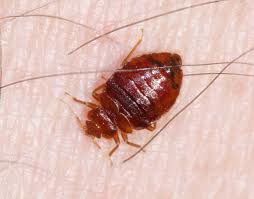
A comprehensive pest control service designed to eliminate bed bug infestations using a combination of inspection, monitoring, and treatment methods tailored to the severity and location of the infestation.
Professional bed bug control requires multiple visits because eggs and hidden bugs may survive initial treatments, making follow-up inspections essential for complete elimination. Non-chemical methods are often prioritized to reduce pesticide exposure, particularly in homes with children or pets.
Biological Control
A pest management strategy that uses living organisms, called natural enemies, to reduce or eliminate pest populations without relying on chemical pesticides. Natural enemies include predators (such as lady beetles that eat aphids), parasites and parasitoids (wasps that lay eggs in pest insects), and pathogens (bacteria, fungi, or viruses that cause disease in pests).
Biological control is a key component of integrated pest management (IPM) programs and offers an environmentally sustainable approach to managing insects, mites, weeds, and plant diseases.
Cockroach Control
Professional pest management services targeting the elimination and prevention of cockroach infestations in residential and commercial properties through a combination of inspection, sanitation recommendations, exclusion, and treatment methods.
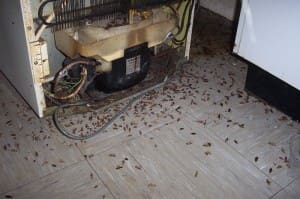
Control strategies typically include applying gel baits in areas where cockroaches hide and travel, insecticide sprays or dusts in cracks and crevices, and growth regulators that disrupt cockroach reproduction cycles.
Different cockroach species require specific control approaches based on their behavior and habitat preferences:
| Cockroach Species | Size & Appearance | Where They Hide |
| German Cockroach | 5/8 inch; light brown with 2 dark stripes | Kitchens, bathrooms, warm humid areas |
| Brown-Banded Cockroach | 1/2 inch; light brown with faint V-bands | Ceilings, furniture, electronics, closets |
| American Cockroach | 1.5 inches; reddish-brown with pale band | Basements, sewers, drains, commercial buildings |
| Oriental Cockroach | 1 inch; dark brown/black (called “waterbug”) | Damp basements, drains, under stones outdoors |
Effective cockroach control requires identifying the species involved, locating harborage areas, and addressing conditions that attract cockroaches, such as food debris, moisture, and entry points.
If you’re in Salem, Oregon, you can avail of professional pest control services to effectively manage cockroach infestations. These experts use integrated pest management practices that combine chemical treatments with improved sanitation and structural repairs to eliminate conducive conditions.
Exclusion
A preventive pest control method that involves sealing, repairing, or blocking entry points and potential access routes to prevent pests from entering or moving within a building or property.
This technique, also called pest-proofing or rodent-proofing, addresses gaps around doors, windows, pipes, vents, foundations, and other structural openings using materials such as caulk, steel wool, wire mesh, door sweeps, and weather stripping.
Exterminator
A licensed professional, also known as a pest management professional (PMP) or pest control operator, who is trained and certified to identify, treat, and eliminate pest infestations in residential, commercial, and industrial properties.
Exterminators must obtain state certification or licensing that demonstrates their knowledge of pest biology, pesticide safety, application methods, and integrated pest management techniques.
These professionals use a variety of control methods, including chemical treatments, baits, traps, exclusion techniques, and non-chemical approaches, to manage pests such as insects, rodents, termites, and wildlife.
Fumigation
An intensive pest control method that uses gaseous pesticides, called fumigants, to penetrate and treat entire structures or enclosed spaces to eliminate pests such as drywood termites, wood-boring beetles, bed bugs, and stored product insects.
The timeline and preparation requirements vary depending on which pest is being targeted:
| Pest Target | Exposure Time | Aeration Period | Structure Preparation |
| Drywood Termite | 16-24 hours | 6-12 hours | Tent structure; remove occupants, pets, plants |
| Bed Bugs | 18-30 hours | 8-12 hours | Seal rooms; remove living things, medications |
| Wood-Boring Beetles | 24-48 hours | 8-16 hours | Tent structure; seal or remove food items |
| Stored Product Pests | 48-72 hours | 24-48 hours | Seal facility; ensure proper ventilation |
The process typically involves sealing a building with tarps or tents to contain the gas, introducing the fumigant (most commonly sulfuryl fluoride), maintaining the required concentration for a specified exposure period (usually 16-72 hours), and then aerating the structure before reentry.
Fumigation is one of the most effective methods for reaching pests hidden deep within wood, walls, and other inaccessible areas where other treatments cannot penetrate.
Harborage (or Harborage Area)
Locations where pests hide, nest, breed, or find shelter from environmental conditions and predators, such as wall voids, cracks and crevices, cluttered storage areas, leaf litter, woodpiles, or debris.
Identifying and eliminating harborage areas is a fundamental principle of pest management. Common harborage sites for indoor pests include spaces behind appliances, under sinks, inside cabinets, beneath baseboards, and in cardboard boxes, while outdoor harborages include overgrown vegetation, mulch beds, stored materials, and gaps in foundations.
Infestation
The presence of an unusually large number of live pests in a specific location or structure that poses risks to health, property, or quality of life and typically requires professional intervention to eliminate.
An infestation indicates that pests have established a population and are actively reproducing, feeding, or causing damage, rather than just passing through an area. Signs of infestation may include visible pest activity, droppings or fecal matter, damage to structures or materials, nesting sites, unusual odors, or shed skins.
Insecticide
A chemical substance or pesticide product specifically designed to kill, control, or repel insects and other arthropod pests such as spiders, ticks, and mites. Insecticides work through various modes of action, including disrupting the nervous system, inhibiting growth and development, affecting respiration, or damaging the insect’s outer protective layer.
Understanding the main types of insecticides helps you know what to expect when pest control professionals treat your property:
| Insecticide Class | Common Examples | Target Pests | How Long It Lasts |
| Pyrethroids | Permethrin, Bifenthrin | Ants, cockroaches, spiders, mosquitoes | 30-90 days outdoors; 90+ days indoors |
| Neonicotinoids | Imidacloprid, Dinotefuran | Termites, ants, aphids | 14-280 days |
| Insect Growth Regulators | Hydroprene, Methoprene | Fleas, cockroaches | Up to 55 days |
| Botanical/Natural | Pyrethrins, Boric Acid, Diatomaceous Earth | General insects, ants, cockroaches | Few hours to indefinite |
These products are available in different formulations, including sprays, dusts, granules, baits, and aerosols, each suited for specific applications and pest problems.
Inspection
A thorough visual examination of a property conducted by a licensed pest management professional to identify active pest infestations, signs of pest activity, structural damage, entry points, and conditions conducive to pest problems.
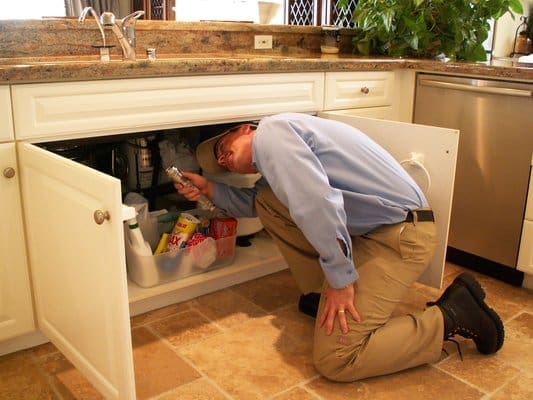
During an inspection, the technician examines interior and exterior areas including basements, attics, crawl spaces, foundations, walls, plumbing penetrations, and surrounding landscape to detect evidence such as droppings, nesting materials, gnaw marks, shed skins, or live pests.
The inspector documents findings in a detailed report that identifies the pest species involved, the extent and location of activity or damage, environmental factors attracting pests, and recommendations for treatment and prevention.
Integrated Pest Management (IPM)
A science-based approach to pest control that combines multiple management strategies to reduce pest populations to acceptable levels while minimizing risks to human health, beneficial organisms, and the environment.
IPM emphasizes prevention through cultural practices, monitoring and accurate pest identification, establishing action thresholds (the point at which pest populations require control action), and using a combination of biological, mechanical, physical, and chemical control methods in a coordinated manner.
Pest Control
The management and regulation of organisms, such as insects, rodents, weeds, fungi, and other species, that negatively impact human health, property, agriculture, or quality of life.
Methods include chemical treatments (pesticides), biological control (natural enemies), physical controls (traps and barriers), cultural practices (sanitation and exclusion), and mechanical approaches (removal and destruction).
If you’re based in the metro area of Oregon, USA, you can rely on professional pest control services in Portland to manage a wide range of infestations using safe and effective methods. Modern pest control emphasizes integrated pest management (IPM), which combines multiple control tactics while minimizing risks to people, property, and the environment.
Licensed pest control providers in Portland, as throughout Oregon, operate under strict federal and state regulations to ensure public safety and responsible pest management practices.
Pesticide
A chemical or biological agent used to prevent, destroy, repel, kill, or reduce pests, including insects, weeds, rodents, fungi, bacteria, and other unwanted organisms that threaten human health, agriculture, or property.
Pesticides encompass a wide range of products, including insecticides (for insects), herbicides (for weeds), fungicides (for fungi and molds), rodenticides (for rodents), and antimicrobials (for bacteria and viruses), among other specialized categories.
Pesticides are formulated in various forms such as liquids, granules, dusts, baits, and aerosols, each designed for specific applications and target pests.
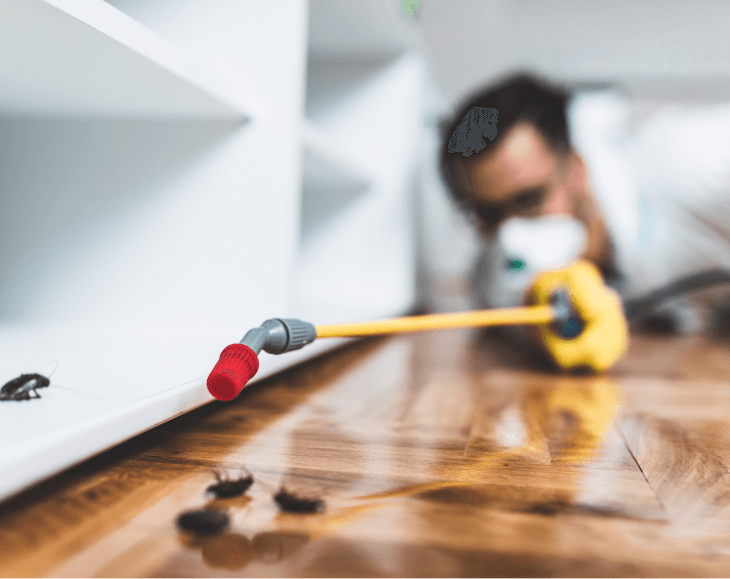
Rodent Control
Professional pest management services designed to eliminate and prevent infestations of mice, rats, and other rodent species through a combination of inspection, sanitation recommendations, exclusion, trapping, and baiting strategies. Effective rodent control begins with a thorough assessment to identify the rodent species, entry points, nesting areas, food and water sources, and the extent of the infestation.
Identifying which type of rodent you’re dealing with helps determine the most effective control strategy:
| Rodent Species | Size & Appearance | Common Nesting Areas | Key Health Risks |
| Norway Rat (Brown Rat) | Up to 16 inches; grayish-brown; stubby snout | Sewers, basements, crawl spaces, ground burrows | Hantavirus, Leptospirosis, Salmonella, E. coli |
| Roof Rat (Black Rat) | 15-17 inches; dark charcoal/black; long tail | Attics, upper levels, trees, wall voids | Salmonella, Leptospirosis, Tularemia |
| House Mouse | 3-4 inches; light brown; pointed nose | Behind appliances, cupboards, wall voids | Hantavirus, Salmonella, Lymphocytic choriomeningitis |
| Deer Mouse | Up to 8 inches; reddish-brown; white belly | Sheds, attics, crawlspaces, tree hollows | Hantavirus (highest risk), Leptospirosis |
Control methods typically include sealing structural openings to prevent entry (exclusion or rodent-proofing), setting snap traps or live traps in strategic locations, placing tamper-resistant bait stations with rodenticides in areas of high activity, and removing conditions that attract rodents, such as food debris and clutter.
If you’re dealing with rodent problems and live in the area, you can rely on professional pest control services in Newberg to handle the issue safely and effectively. These specialists use integrated pest management (IPM) approaches that combine multiple control tactics with ongoing monitoring and follow-up services. In fact, pest control experts in Newberg often report a surge in rodent activity during the cooler fall and winter months, when pests seek warmth and shelter indoors.
Termite Treatment
Specialized pest control services designed to eliminate active termite colonies and protect structures from future termite infestations using liquid termiticides, baiting systems, or fumigation methods, depending on the termite species and severity of infestation.
The most common approach for subterranean termites is liquid barrier treatment, where EPA-registered termiticides are applied to the soil around and beneath a structure to create a protective zone that kills termites as they attempt to enter or return to their colony.
Termite baiting systems involve placing monitoring stations around a property that contain cellulose materials with slow-acting insecticides, which foraging termites carry back to the colony to eliminate the entire population.
Trap
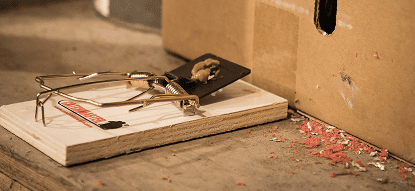
A mechanical or physical device used to capture or kill pests such as rodents, insects, or wildlife without relying on chemical pesticides. Common types of traps include snap traps (spring-loaded devices that kill rodents instantly), glue boards or sticky traps (adhesive surfaces that immobilize pests), live-catch traps (cages that capture animals unharmed for relocation), and electronic traps (battery-powered devices that deliver lethal shocks).
Traps are a key component of integrated pest management (IPM) programs because they provide non-toxic, targeted control and allow for monitoring of pest activity and species identification. Effective trapping requires proper placement along pest travel routes, appropriate bait or attractants, and regular inspection to remove captured pests and reset devices.
Treatment Plan
A customized pest management strategy developed by a licensed pest control professional after conducting a thorough inspection that identifies the pest species, extent of infestation, contributing conditions, and specific needs of the property.
An effective treatment plan incorporates integrated pest management (IPM) principles by combining multiple control tactics tailored to the pest biology and site conditions while minimizing risks to people, pets, and the environment.
Warranty
A guarantee provided by a pest control company that promises follow-up services or retreatment at no additional charge if pests return within a specified timeframe after the initial treatment, typically ranging from 30 days to one year or longer, depending on the pest and service type.
The terms of a warranty should clearly specify what pests are covered, the duration of coverage, conditions that may void the warranty (such as structural modifications or missed renewal payments), and whether follow-up inspections are included.