Bug Zapper Pest Library
Understanding Common Spiders Around Oregon Homes
Most spiders are harmless and even help control insect populations, but some species can become an unwelcome presence indoors. Whether they’re building webs in corners or hiding in dark spaces, spiders can make homeowners uncomfortable and may indicate a larger insect problem. Learn how to identify common spiders, recognize signs of activity, and keep your home protected year-round.
Know Your Pest
Quick Spider Facts
Most spiders are harmless and even help control insect populations, but some species can become an unwelcome presence indoors.
Typical Size
¼–2 Inches Wide
Where Found
Basements & Garages
Most Active
Spring Through Fall
Threat Level
Low to Moderate
DIY Difficulty
Moderately Difficult
Nesting Areas
Corners & Crawl Spaces
Spiders Identification
How To Identify Spiders
Spiders are arachnids, meaning they have eight legs and two main body segments rather than six legs like insects. Most species found in Oregon are harmless, although some can deliver painful bites if threatened.
Spiders often remain hidden during the day and become more active at night while hunting insects or maintaining their webs.
-
Eight legs and two body segments
-
Silk webs in corners or ceilings
-
Egg sacs attached to webs
-
Increased spider activity indoors
-
Dead insects caught in webs
COMMON SPIDER SPECIES
Not Every Spider Poses The Same Risk.
Oregon is home to many spider species, each with different behaviors, habitats, and levels of concern. Proper identification helps determine whether professional treatment is necessary.
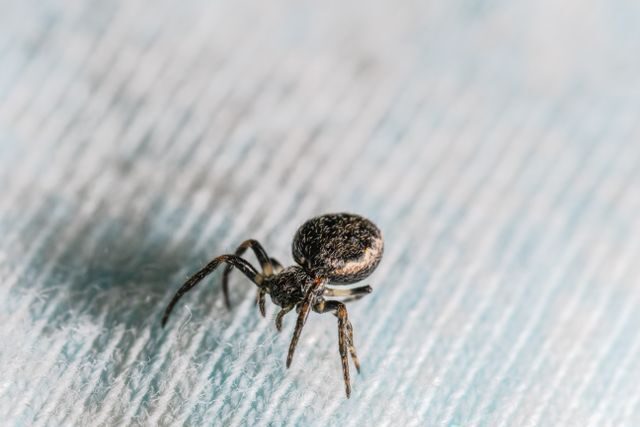
House Spider
House spiders are one of the most common indoor species. They build irregular webs in quiet corners, garages, basements, and storage areas.
Size: 5–8mm
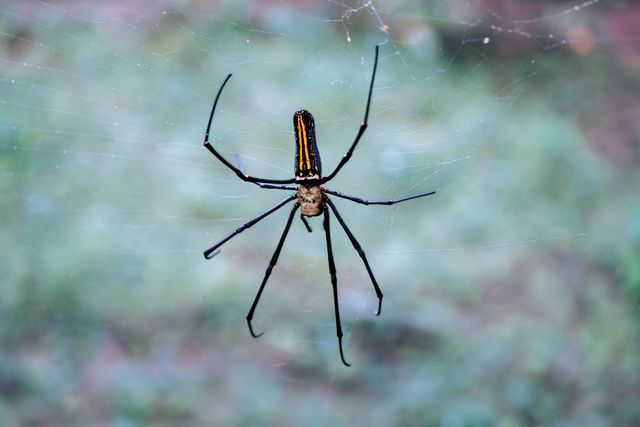
Giant House Spider
Known for their long legs and fast movement, giant house spiders are frequently seen inside homes during late summer and fall.
Size: 25–45 mm
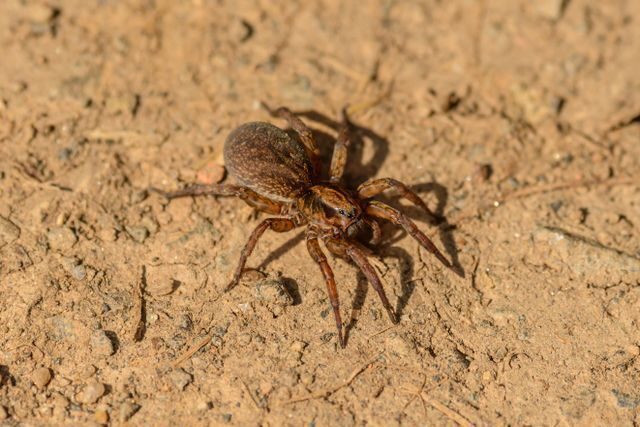
Hobo Spider
Hobo spiders are commonly found around foundations, crawl spaces, and basements. While generally shy, they may enter homes in search of shelter.
Size: 10–15 mm
WHAT SPIDERS NEED
Your Home Provides Excellent Hiding Places.
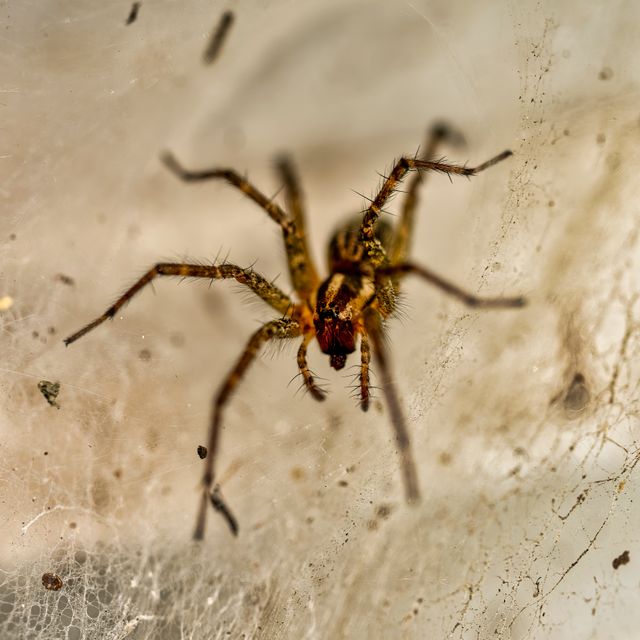
Spiders enter homes searching for shelter, insects to feed on, and quiet places where they can build webs without disturbance.
Food Sources
Spiders feed primarily on flies, ants, mosquitoes, moths, and other household insects.
Moisture
Many spider species prefer cool, damp environments with consistent humidity.
Undisturbed Areas
Quiet corners, ceiling spaces, and rarely used rooms allow spiders to build webs and lay egg sacs.
Shelter
Basements, attics, garages, closets, crawl spaces, and storage boxes provide excellent hiding spots.
SIGNS OF INFESTATION
Signs You May Have A Spider Problem
Occasional spiders are normal, but repeated sightings or large numbers of webs may indicate a growing population or another pest attracting them.
-
Raised tunnels across the lawn
-
Fresh dirt mounds appearing regularly
-
Wilting plants with damaged roots
-
Uneven or sinking sections of turf
-
Holes around flower beds or gardens
-
Increasing lawn damage after rainfall