Bug Zapper Pest Library
Stay Safe From Wasps Around Your Home & Property
Wasps can quickly become a serious nuisance when they build nests around homes, decks, garages, and outdoor living spaces. Their aggressive behavior and painful stings can make everyday activities uncomfortable and even dangerous for people with allergies.
Know Your Pest
Quick Wasp Facts
Wasps are beneficial predators in nature, but nests built near homes can pose a significant safety risk. Early removal helps prevent colonies from growing larger.
Typical Size
½–1 Inch Long
Where Found
Eaves & Trees
Most Active
Spring & Fall
Threat Level
High Sting Risk
DIY Difficulty
Very Difficult
Nesting Areas
Roofs & Shrubs
Wasps Identification
How To Identify Wasps
Wasps have slender bodies with narrow waists, smooth skin, and long legs that often hang beneath them during flight. Unlike bees, wasps can sting multiple times because they do not lose their stinger.
Many species build paper-like nests in protected areas around homes, while others create underground colonies. Wasps become increasingly defensive as their colonies grow throughout the summer.
-
Slender body with a narrow waist
-
Bright yellow, black, or reddish markings
-
Smooth body with little hair
-
Paper-like nests under roofs or eaves
-
Frequent wasp activity around one location
COMMON WASP SPECIES
Not Every Wasp Behaves The Same Way.
Different wasp species build different types of nests and display varying levels of aggression. Identifying the species helps determine the safest treatment approach.
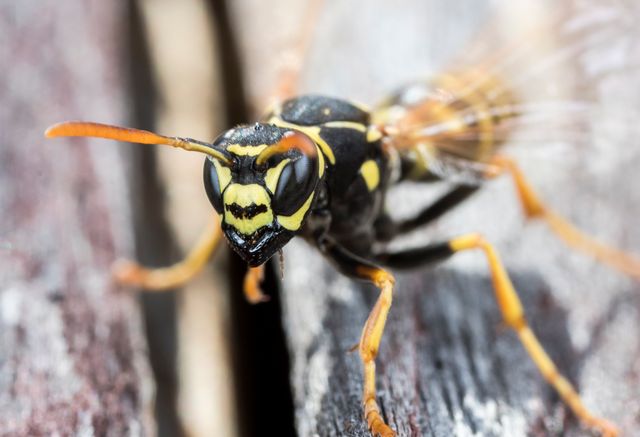
Yellow Jacket
Yellow jackets are highly aggressive social wasps that commonly build underground or wall-void nests and aggressively defend their colonies.
Size: 10–16 mm
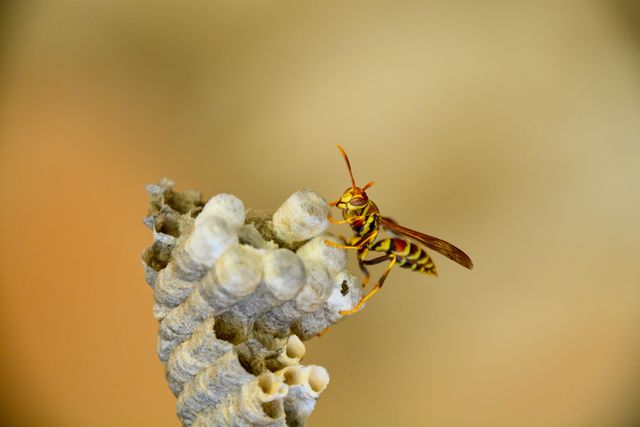
Paper Wasp
Paper wasps build umbrella-shaped paper nests beneath roof overhangs, decks, and porch ceilings. They are generally less aggressive unless disturbed.
Size: 16–20 mm
Risk: Mode
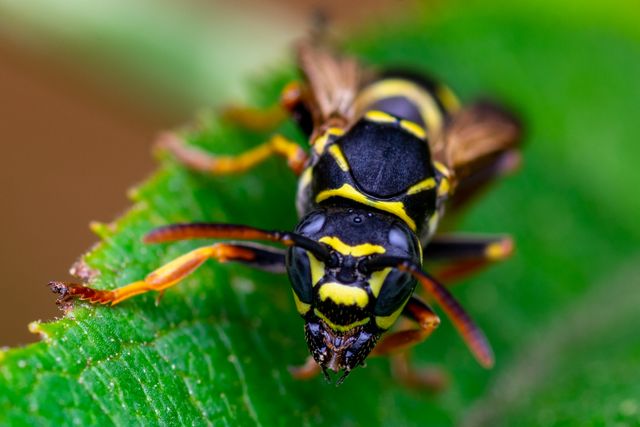
Bald-Faced Hornet
Despite the name, bald-faced hornets are a type of wasp known for building large enclosed paper nests in trees and shrubs.
Size: 15–20 mm
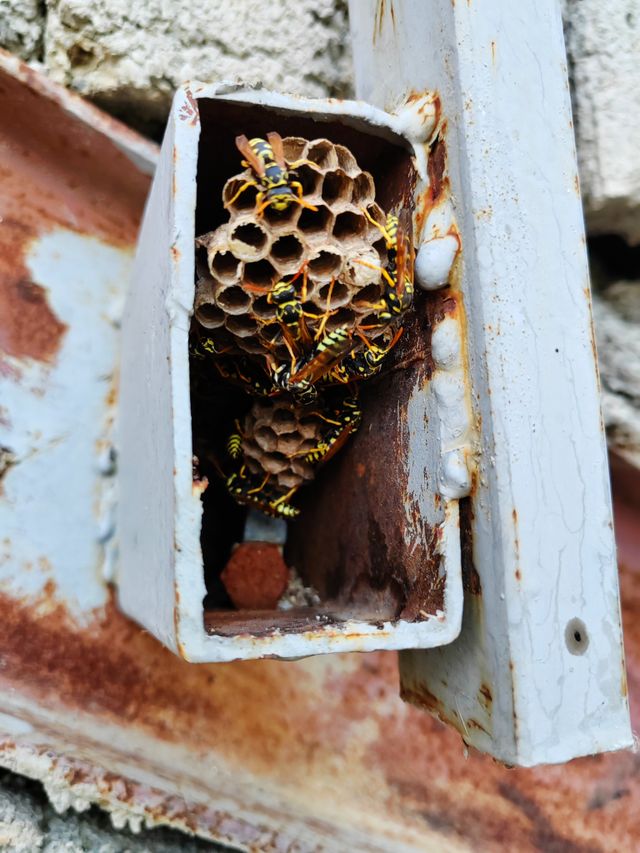
WHAT WASPS NEED
Your Property Provides Ideal Nesting Conditions.
Wasps look for safe, sheltered areas where they can build nests close to food and water sources.
Food Sources
Adult wasps feed on nectar and sugary foods, while they hunt insects to feed developing larvae.
Water
Bird baths, puddles, irrigation systems, and other standing water help sustain growing colonies.
Protected Spaces
Quiet, undisturbed areas allow colonies to expand throughout the warm months.
Shelter
Roof eaves, sheds, attics, trees, fences, and outdoor structures provide excellent nesting locations.
SIGNS OF INFESTATION
Signs You May Have A Wasp Nest Nearby
Wasp activity usually increases as colonies grow. Spotting the warning signs early can help prevent painful encounters.
-
Increased wasp activity outdoors
-
Visible paper nests under eaves
-
Wasps entering wall openings
-
Buzzing near decks or patios
-
Large numbers around garbage bins
-
Frequent activity around flowering plants