Bug Zapper Pest Library
Protect Your Home From Hidden Termite Damage
Termites are silent destroyers that can cause significant structural damage long before homeowners realize they’re present. By feeding on wood and other cellulose materials, these pests can weaken floors, walls, and support structures over time.
Know Your Pest
Quick Termite Facts
Termites work quietly behind walls and beneath floors, making early detection essential for preventing costly structural damage.
Typical Size
¼–½ Inch Long
Where Found
Wood & Foundations
Most Active
Spring & Summer
Threat Level
Severe Property Risk
DIY Difficulty
Extremely Difficult
Nesting Areas
Soil & Wall Voids
Termite Identification
How To Identify Termites
Termites are soft-bodied insects that live in highly organized colonies. Worker termites are pale cream-colored, while swarmers have dark bodies and two pairs of equal-length wings. Unlike ants, termites have straight antennae, broad waists, and uniformly sized wings.
Because termites spend most of their lives hidden inside wood or underground, homeowners often discover the damage before seeing the insects themselves.
-
Pale cream-colored insects inside wood
-
Winged swarmers near windows or doors
-
Discarded wings around the home
-
Mud tubes along foundations
-
Hollow-sounding or damaged wood
COMMON TERMITE TYPES
Not Every Termite Infestation Is The Same.
Different termite species attack homes in different ways. Identifying the species helps determine the most effective treatment plan.
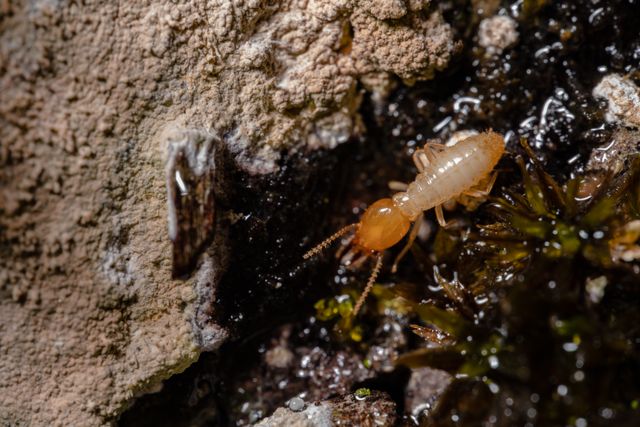
Subterranean Termite
The most common termite species in Oregon. They build underground colonies and travel through protective mud tubes to reach wooden structures.
Size: ¼–⅜ Inch
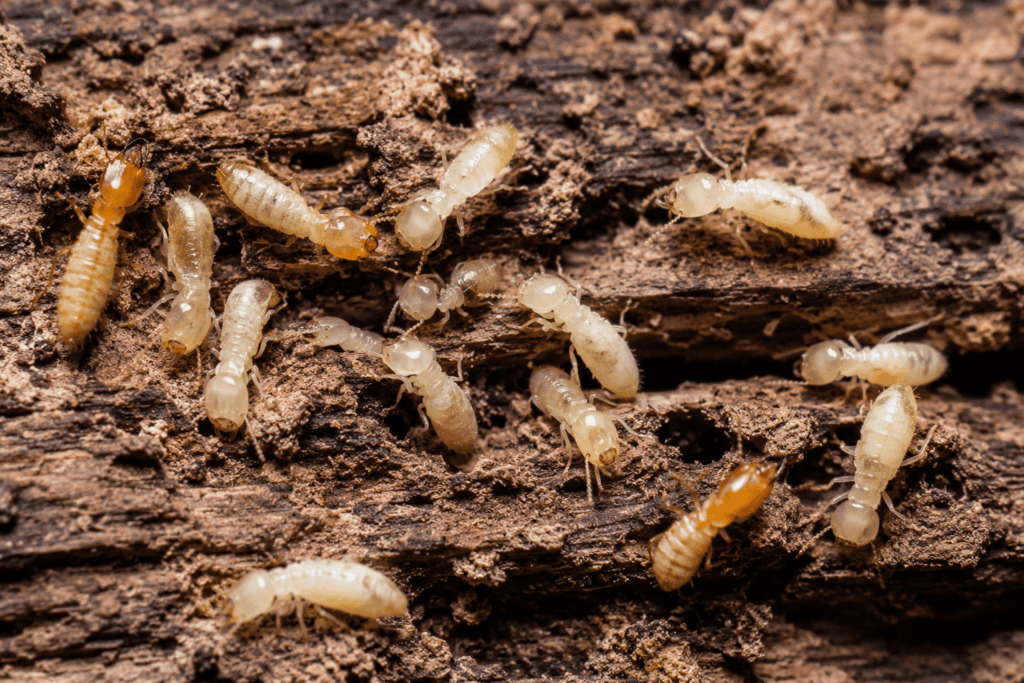
Dampwood Termite
Dampwood termites prefer moist, decaying wood and are often found in logs, tree stumps, or water-damaged structures.
Size: ½–⅝ Inch
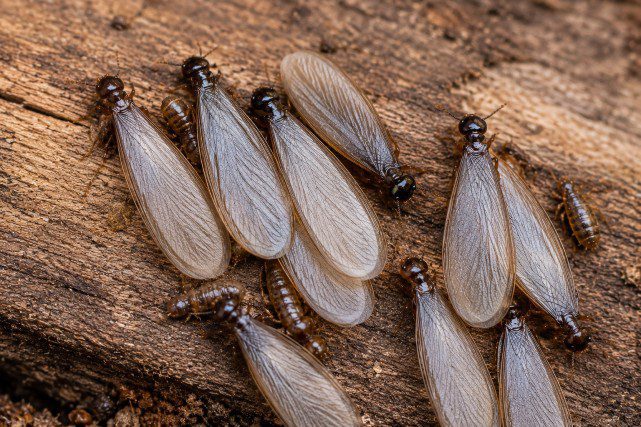
Swarmer Termite
Swarmers are the reproductive members of a colony that emerge seasonally to establish new colonies. Their presence often indicates a nearby infestation.
Size: ⅜–½ Inch
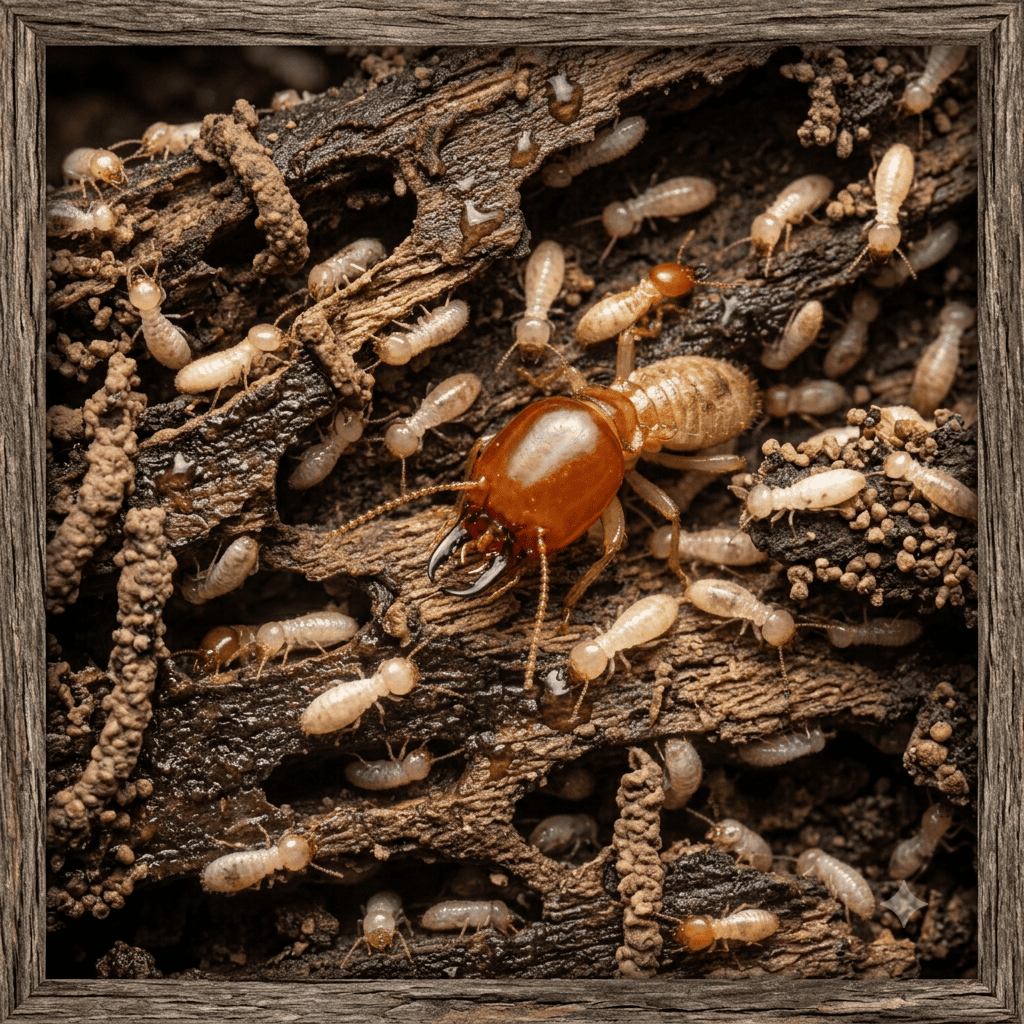
WHAT TERMITES NEED
Your Home Can Provide Ideal Conditions For Termites.
Termites seek out moisture, wood, and protected environments where they can establish colonies without being disturbed.
Wood Sources
Structural lumber, framing, flooring, fences, decks, and wooden landscaping materials provide food.
Moisture
Leaking pipes, poor drainage, damp crawl spaces, and water-damaged wood attract termite activity.
Soil Contact
Wood that touches the soil creates an easy pathway for subterranean termites.
Shelter
Wall voids, crawl spaces, foundations, and underground tunnels protect colonies from predators and weather.
SIGNS OF INFESTATION
Signs You May Have A Termite Infestation
Because termites work out of sight, regular inspections are the best way to catch an infestation before major damage occurs.
-
Mud tubes along foundations
-
Hollow or blistered wood
-
Swarming termites indoors
-
Discarded wings near windows
-
Doors and windows sticking
-
Soft or sagging wooden floors