Bug Zapper Pest Library
Keep Rats & Mice Out Before They Take Over Your Home
Rodents are more than just an inconvenience—they can damage property, contaminate food, and spread harmful bacteria throughout your home.
Know Your Pest
Quick Rodent Facts
Rodents are skilled climbers and chewers that can enter homes through surprisingly small openings. Early action is the best way to prevent costly damage and rapidly growing infestations.
Typical Size
7–18 Inches Long
Where Found
Pets & Carpets
After Sunset
Warm Seasons
Threat Level
High Property Risk
DIY Difficulty
Very Difficult
Nesting Areas
Attics & Crawl Spaces
Rodents Identification
How To Identify Rodents
Rodents are small mammals with long tails, constantly growing teeth, and excellent climbing abilities. Mice are generally smaller with large ears and slender bodies, while rats are larger, heavier, and more destructive.
Because rodents are primarily active at night, homeowners often notice signs of their activity before seeing the animals themselves.
-
Small dark droppings near food or cabinets
-
Gnaw marks on wood, wires, and packaging
-
Scratching noises inside walls or ceilings
-
Greasy rub marks along walls
-
Shredded paper or insulation used for nesting
COMMON RODENTS
Not Every Rodent Causes The Same Problems.
Different rodent species behave differently, making accurate identification important for selecting the most effective control strategy.
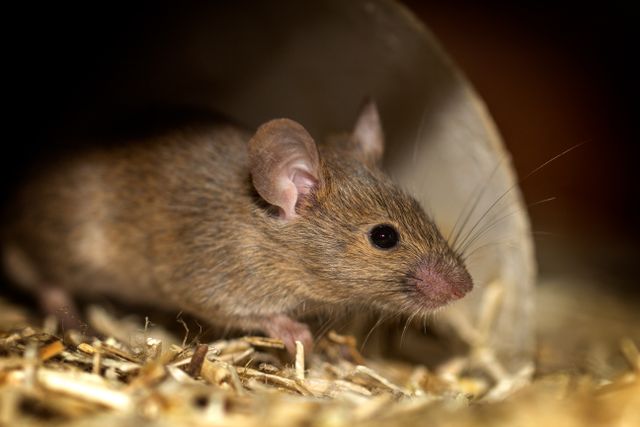
House Mouse
House mice are small, fast breeders that commonly invade homes searching for food and warmth during cooler months.
Size: 2–4 Inches

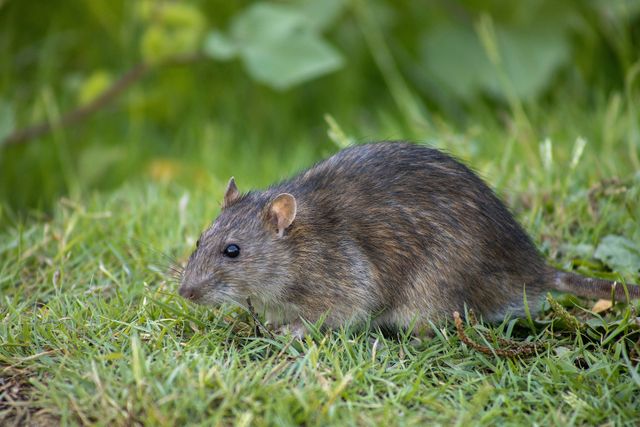
Norway Rat
Norway rats prefer lower levels of buildings, basements, crawl spaces, and sewers. They are powerful chewers capable of causing significant structural damage.
Size: 7–10 Inches
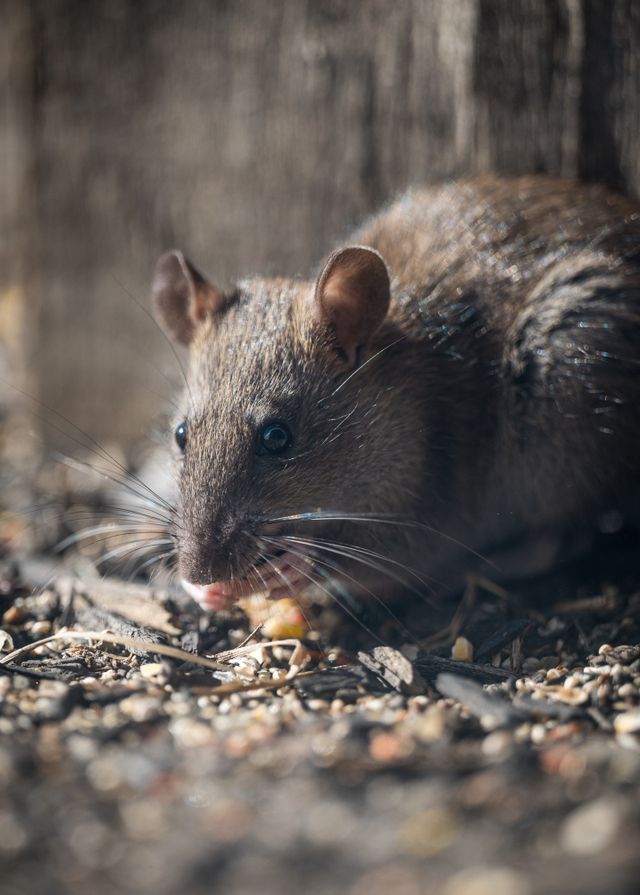
Roof Rat
Roof rats are agile climbers that often nest in attics, trees, roofs, and upper wall spaces while searching for food.
Size: 6–8 Inches
WHAT RODENTS NEED
Your Home Provides Everything Rodents Need To Thrive.
Pet food, pantry items, bird seed, garbage, and crumbs provide a steady food supply.
Food Sources
Attics, wall voids, crawl spaces, garages, and storage areas offer ideal nesting locations.
Water
Leaky pipes, pet bowls, condensation, and standing water help rodents survive indoors.
Entry Points
Small gaps around doors, vents, pipes, roofs, and foundations allow rodents to enter with ease.
Shelter
Attics, wall voids, crawl spaces, garages, and storage areas offer ideal nesting locations.
SIGNS OF INFESTATION
Signs You May Have A Rodent Infestation
Rodents often remain hidden until populations grow. Knowing the warning signs can help prevent expensive repairs and health concerns.
-
Fresh droppings around food storage
-
Scratching sounds after dark
-
Chewed wires and insulation
-
Nesting materials in hidden areas
-
Grease marks along walls
-
Unpleasant musky odors indoors