Bug Zapper Pest Library
Protect Your Lawn From Moles and Gophers
Moles and gophers can quickly turn a healthy lawn into a network of tunnels, mounds, and damaged landscaping. Although they live underground, their digging can destroy roots, weaken soil, and leave your property looking neglected. Learn how to identify these burrowing pests, recognize the signs of activity, and discover effective solutions to protect your yard.
Know Your Pest
Quick Mole & Gopher Facts
Moles and gophers spend nearly their entire lives underground. Identifying which pest is causing the damage is the first step toward choosing the right treatment.
Typical Size
5–12 Inches Long
Where Found
Lawns & Gardens
Most Active
Spring & Fall
Threat Level
High Lawn Damage
DIY Difficulty
Very Difficult
Nesting Areas
Underground Tunnels
Moles & Gophers Identification
Identify Moles and Gophers
Although they create similar damage, moles and gophers are very different animals. Moles primarily feed on insects and earthworms while creating shallow tunnels across lawns. Gophers feed on plant roots, bulbs, and vegetation, often creating larger soil mounds and extensive underground burrows.
Correct identification is essential because each species requires a different control strategy.
-
Raised tunnels running across the lawn
-
Fresh soil mounds appearing overnight
-
Dead or damaged grass patches
-
Plants disappearing from below
-
Loose soil surrounding gardens and flower beds
COMMON BURROWING PESTS
Not Every Tunnel Is Created By The Same Pest.
Understanding which burrowing animal is active on your property helps ensure the most effective treatment and long-term prevention.
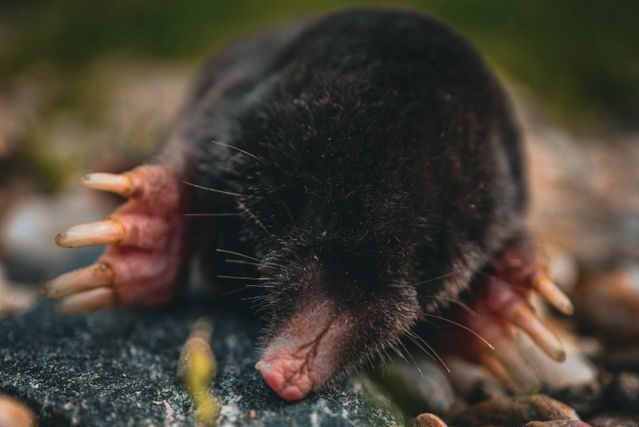
Mole
Moles create shallow tunnels while searching for insects beneath the soil. Their digging can lift grass, damage roots, and leave lawns uneven.
Size: 5–8 Inches
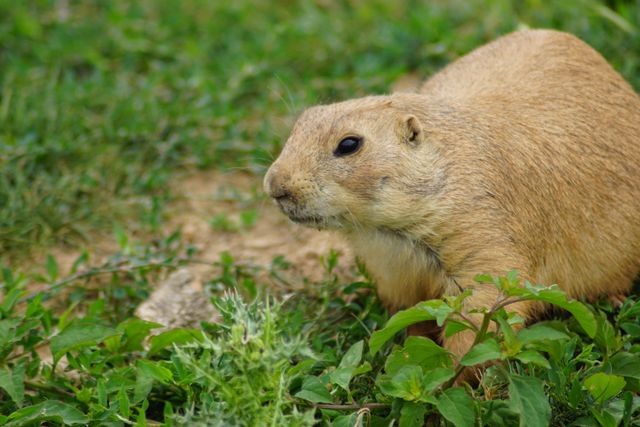
Gopher
Gophers build deep tunnel systems and feed directly on plant roots, bulbs, vegetables, and ornamental landscaping.
Size: 6–12 Inches
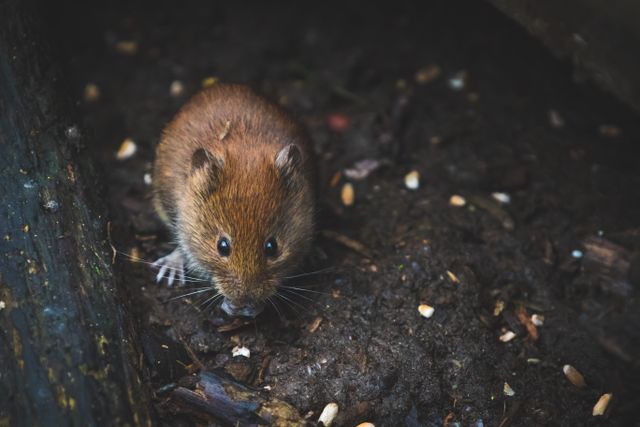
Vole
Often mistaken for moles, voles are small rodents that create surface runways and feed on grass, roots, bark, and garden plants.
Size: 4–8 Inches
WHAT MOLES & GOPHERS NEED
Your Yard Provides The Perfect Environment.
Healthy landscapes naturally provide everything burrowing pests need to survive, from abundant food sources to loose soil for digging.
Food Sources
Moles feed on insects and earthworms, while gophers prefer roots, bulbs, vegetables, and other underground plant material.
Soft Soil
Moist, loose soil makes tunneling easier and encourages burrowing activity.
Healthy Landscaping
Well-watered lawns and gardens attract both insects and vegetation, creating ideal conditions for burrowing pests.
Shelter
Underground tunnel systems provide protection from predators and changing weather conditions.
SIGNS OF INFESTATION
Signs You May Have A Mole Or Gopher Problem
Burrowing pests often remain hidden underground, but the damage they leave behind is easy to recognize.
-
Raised tunnels across the lawn
-
Fresh dirt mounds appearing regularly
-
Wilting plants with damaged roots
-
Uneven or sinking sections of turf
-
Holes around flower beds or gardens
-
Increasing lawn damage after rainfall