Bug Zapper Pest Library
Protect Your Home From Everyday Household Pests
From crawling insects to seasonal invaders, common household pests can quickly disrupt your comfort and peace of mind. Whether you’re dealing with ants in the kitchen, spiders in the basement, or earwigs around your foundation, early action can prevent minor pest problems from becoming major infestations
Know Your Pest
Quick General Pest Facts
Many household pests enter homes searching for food, moisture, or shelter. Routine inspections and preventative treatments are the best way to keep them under control.
Typical Size
2–50 mm Long
Where Found
Kitchens & Basements
Most Active
Spring Through Fall
Threat Level
Varies By Pest
DIY Difficulty
Often Challenging
Nesting Areas
Walls & Crawl Spaces
Ant Identification
How To Identify Common Household Pests
Every pest behaves differently, but most household infestations begin when insects or rodents find easy access to food, water, and shelter. While some pests contaminate food, others damage property or simply become a nuisance inside the home.
Regular inspections can help identify pest activity before populations grow and become more difficult to manage.
-
Droppings or unusual debris
-
Chewed packaging or damaged materials
-
Insects around food or moisture
-
Webs, nests, or burrows
-
Strange odors or scratching sounds
COMMON SPECIES
Every Pest Requires A Different Solution.
Different pests invade homes for different reasons. Identifying the problem correctly is the first step toward effective treatment and long-term prevention.
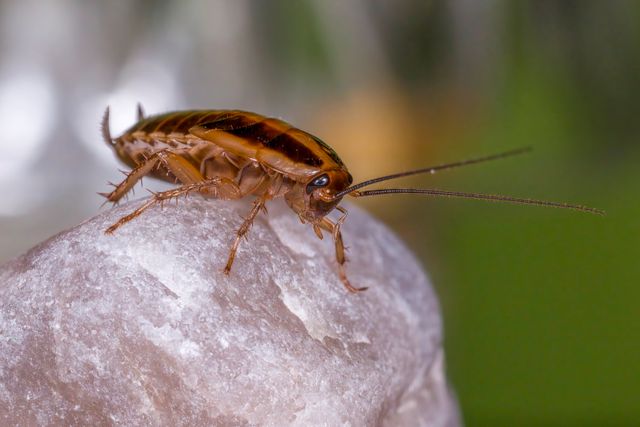
Crawling Insects
Ants, cockroaches, earwigs, and other crawling insects often invade homes searching for food, water, and shelter.
Size: 2–4 mm
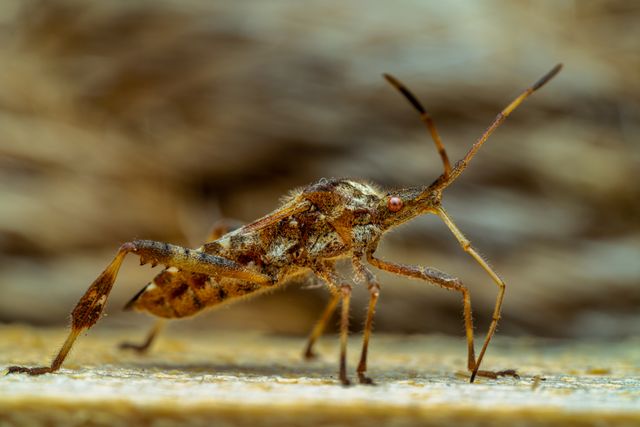
Stinging Insects
Wasps and bees commonly build nests around roofs, trees, fences, and outdoor structures, creating potential safety concerns.
Size: 3–5 mm
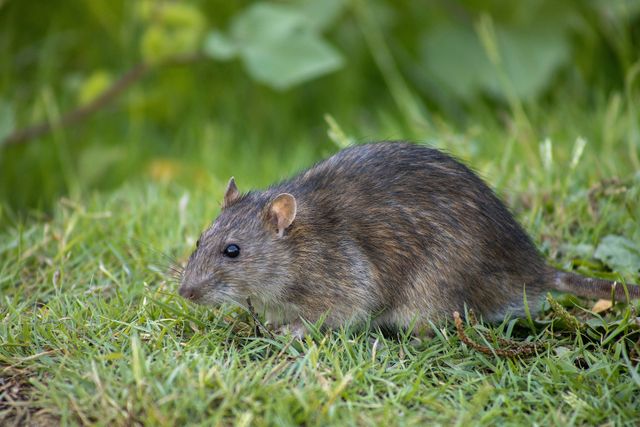
Rodents
Mice and rats contaminate food, chew electrical wiring, and reproduce rapidly once they gain access indoors.
Size: 2–4 mm
WHAT ATTRACTS PESTS
Your Home May Be Providing Exactly What Pests Need.
Most pests are attracted by basic survival needs. Eliminating these attractants can greatly reduce the likelihood of future infestations.
Food Sources
Crumbs, uncovered food, garbage, pet food, and pantry items attract a wide variety of pests.
Moisture
Leaking pipes, standing water, damp crawl spaces, and poor drainage create ideal conditions for many insects.
Shelter
Wall voids, attics, basements, garages, storage boxes, and clutter provide safe hiding places.
Entry Points
Small cracks, damaged weather stripping, foundation gaps, roof vents, and utility openings allow pests to enter unnoticed.
SIGNS OF INFESTATION
Signs Your Home May Have A Pest Problem
Many pest infestations begin quietly. Recognizing early warning signs can help prevent larger problems later.
-
Frequent indoor insect sightings
-
Droppings or nesting materials
-
Unusual scratching or buzzing sounds
-
Damaged food packaging
-
Pest activity around windows or doors
-
Increased sightings during seasonal changes
Prevention Is The Best Pest Control Strategy
The most effective way to keep pests out is by combining regular inspections, sealing entry points, eliminating food and moisture sources, and applying preventative treatments before infestations begin.