Bug Zapper Pest Library
Fleas in Your Home? Here's What You Need to Know
Fleas are tiny, fast-moving parasites that feed on the blood of animals and humans. While they’re commonly associated with pets, fleas can quickly spread throughout your home, making early identification and prevention essential.
Know Your Pest
Quick Flea Facts
Fleas multiply quickly and can spread throughout your home before you realize they’re there. Early detection is the key to preventing a larger infestation.
Typical Size
1–4 mm Long
Where Found
Pets & Carpets
Most Active
Warm Seasons
Threat Level
High Bite Risk
DIY Difficulty
Very Difficult
Nesting Areas
Carpets & Pet Beds
Fleas Identification
How To Identify Fleas
Adult fleas are tiny, wingless insects with flattened bodies that allow them to move easily through animal fur. Their powerful hind legs enable them to jump long distances, making them difficult to catch.
Although pets are their primary hosts, fleas can also bite humans when infestations become severe. Their eggs, larvae, and pupae often remain hidden in carpets and upholstery long after adult fleas are seen.
-
Tiny dark brown insects that jump when disturbed
-
Frequent scratching or biting by pets
-
Flea dirt (black specks) on pet bedding
-
White flea eggs hidden in carpets and furniture
COMMON FLEA STAGES
Understanding The Flea Life Cycle
Fleas develop through four life stages, and effective treatment must target every stage—not just the adults you can see.
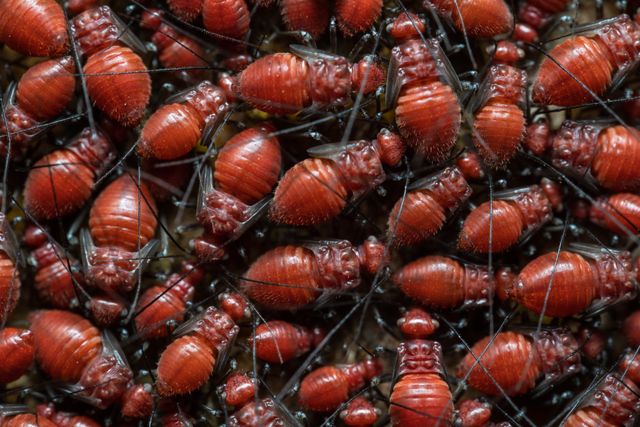
Adult Fleas
Adult fleas feed on the blood of animals and occasionally humans. They reproduce quickly after finding a host.
Size: 1–4 mm
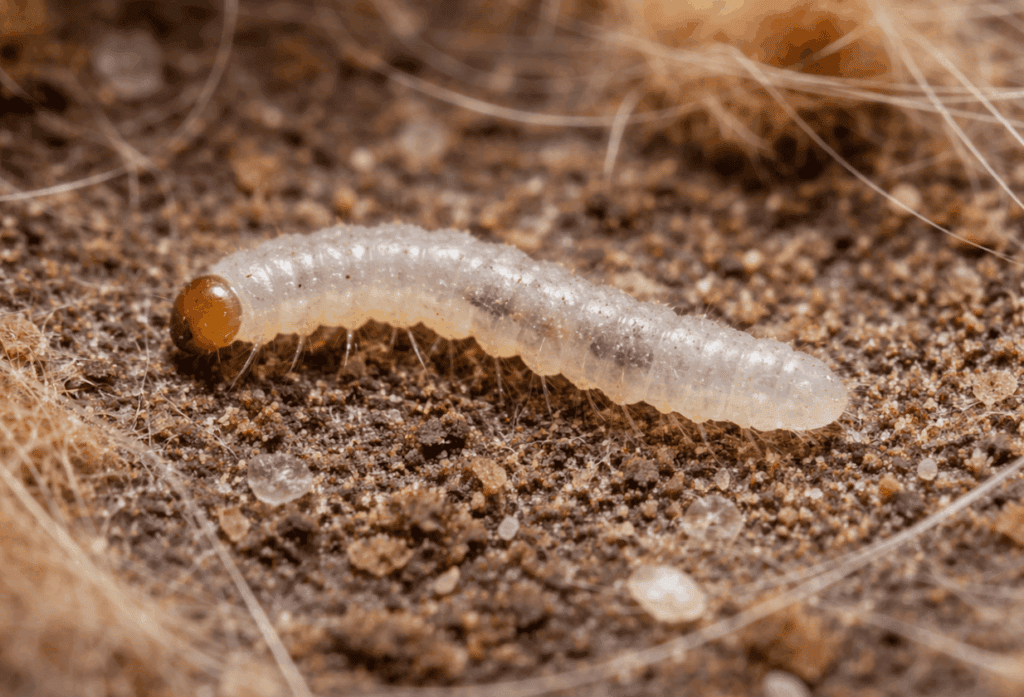
Flea Larvae
Larvae hide deep inside carpets, floor cracks, and pet bedding where they feed on organic debris before developing further.
Size: 2–5 mm
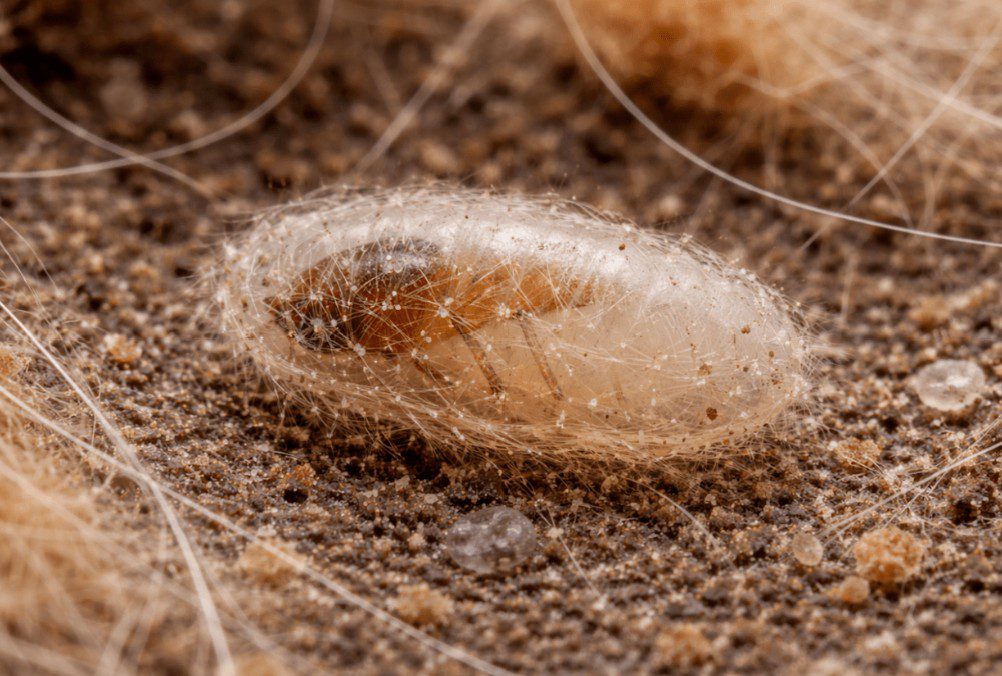
Flea Pupae
Pupae remain protected inside silky cocoons and can survive for weeks or even months until conditions are ideal.
Size: 3–5 mm

WHAT FLEAS NEED
Your Home Offers Exactly What Fleas Need.
Fleas thrive in homes because they have easy access to warm hosts, protected hiding places, and favorable conditions for reproduction.
Blood Meals
Fleas rely on the blood of pets and wildlife to survive and reproduce.
Animal Hosts
Dogs, cats, rodents, and wildlife can introduce fleas into your home without warning.
Warmth
Warm indoor temperatures allow fleas to complete their life cycle year-round.
Shelter
Carpets, rugs, furniture, and pet bedding provide safe places for flea eggs and larvae
SIGNS OF INFESTATION
Signs You May Have A Flea Infestation
Flea infestations often begin with pets but can quickly spread throughout your home if left untreated.
-
Pets scratching excessively
-
Small red bites on ankles
-
Fleas jumping on carpets
-
Black flea dirt on bedding
-
White eggs in pet resting areas
-
Increased pet discomfort indoors