Bug Zapper Pest Library
Why Earwigs Invade Homes & How To Keep Them Out
Earwigs are moisture-loving insects commonly found in gardens, mulch, and damp outdoor areas. While they don’t spread diseases or cause structural damage, they can become an unwelcome nuisance when they enter homes in search of shelter.
Know Your Pest
Quick Earwigs Facts
Earwigs thrive in cool, damp environments and often enter homes during periods of hot, dry weather or excessive rainfall.
Typical Size
½–1 Inch Long
Where Found
Gardens & Basements
Most Active
Nighttime Hours
Threat Level
Low Health Risk
DIY Difficulty
Moderately Difficult
Nesting Areas
Mulch & Damp Soil
Earwigs Identification
How To Identify Earwigs
Earwigs are slender insects with reddish-brown bodies, long antennae, and distinctive pincers at the end of their abdomen. Although their pincers may look intimidating, they rarely pinch people and are generally harmless.
These nocturnal insects spend the day hiding beneath rocks, mulch, logs, flower pots, and other damp locations before becoming active after sunset.
-
Reddish-brown body with rear pincers
-
Long antennae and six legs
-
Found in damp, shaded locations
-
Active mostly after dark
-
Frequently discovered beneath mulch or outdoor debris
COMMON Earwigs SPECIES
Not Every Earwig Looks The Same.
While several earwig species exist, a few are commonly found around homes and gardens in the Pacific Northwest.
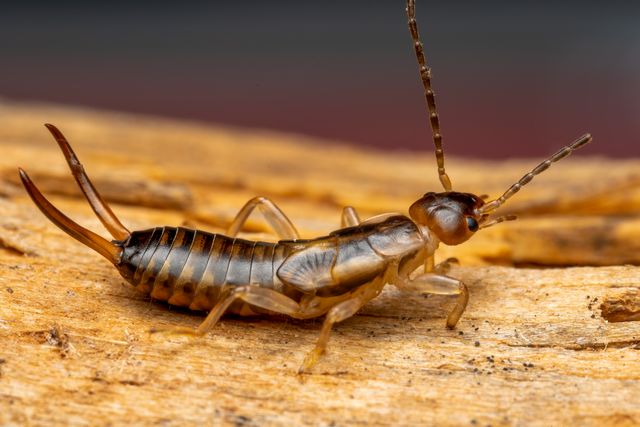
European Earwig
The most common earwig species found around homes. European earwigs are frequently seen in gardens, mulch beds, and damp landscaping.
Size: 13–16 mm
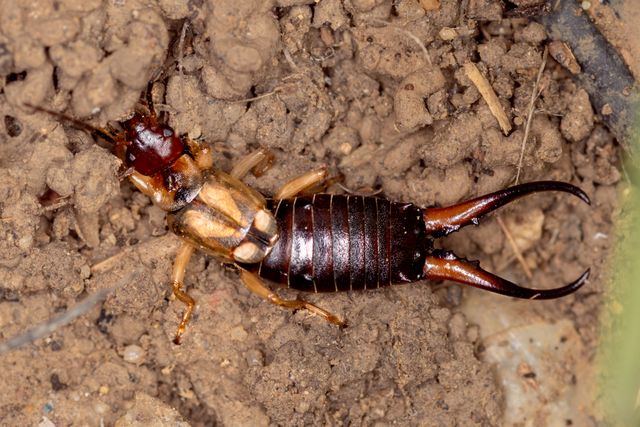
Ring-Legged Earwig
Recognizable by its lighter-colored legs, this species prefers moist environments and often hides beneath stones, logs, and leaf litter.
Size: 10–15 mm
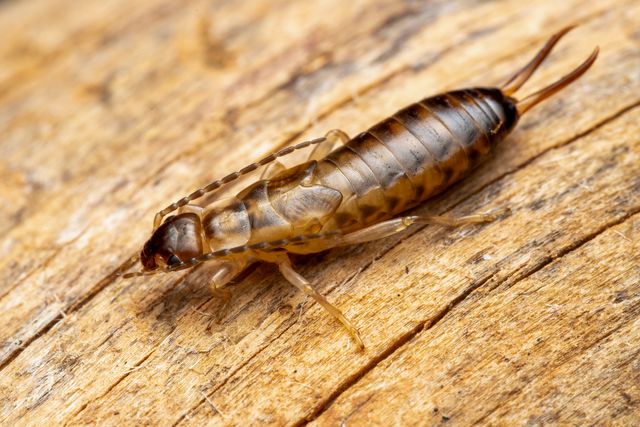
Striped Earwig
A less common species occasionally found in landscaped areas, gardens, and beneath outdoor debris.
Size: 12–16 mm
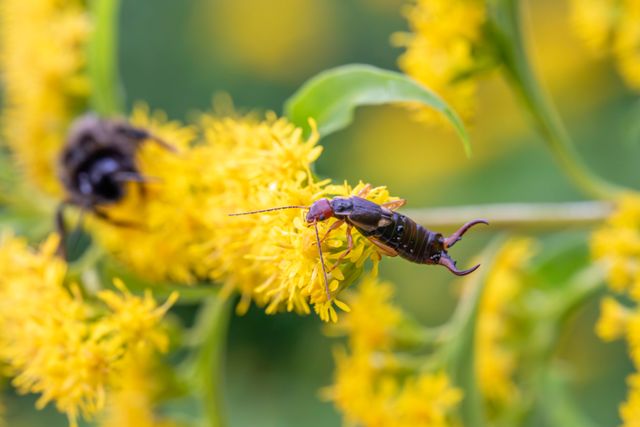
WHAT EARWIGS NEED
Your Property Provides Ideal Conditions For Earwigs.
Earwigs are attracted to moisture, shade, and organic matter that provides both food and protection.
Food Sources
Earwigs feed on decaying organic matter, fungi, insects, and occasionally tender plants and flowers.
Moisture
Overwatered lawns, leaking faucets, damp mulch, and wet soil create favorable conditions.
Protected Spaces
Basements, crawl spaces, garages, and areas around foundations provide shelter when outdoor conditions become unfavorable.
Shelter
Rocks, mulch, firewood, flower pots, and dense vegetation provide cool hiding places during the day.
SIGNS OF INFESTATION
Signs You May Have An Earwig Problem
Earwigs usually become noticeable when outdoor populations increase and begin entering homes through small gaps and openings.
-
Earwigs found in bathrooms or basements
-
Activity around mulch and flower beds
-
Small holes in leaves or flowers
-
Earwigs hiding beneath outdoor objects
-
Increased sightings after rainfall
-
Damp areas attracting repeated activity