Bug Zapper Pest Library
Everything You Need to Know About Cockroaches in Oregon
Cockroaches are among the most resilient household pests in Oregon. They contaminate food, spread bacteria, trigger allergies, and reproduce rapidly once they establish themselves indoors.
Know Your Pest
Quick Cockroaches Facts
Cockroaches thrive wherever food, moisture, and shelter are available. Understanding their habits is the first step toward early detection and effective elimination.
Typical Size
13–50 mm Long
Where Found
Kitchens & Bathrooms
Most Active
Mostly After Dark
Threat Level
High Health Risk
DIY Difficulty
Very Difficult
Nesting Areas
Cracks & Wall Voids
Cockroaches Identification
How To Identify Cockroaches
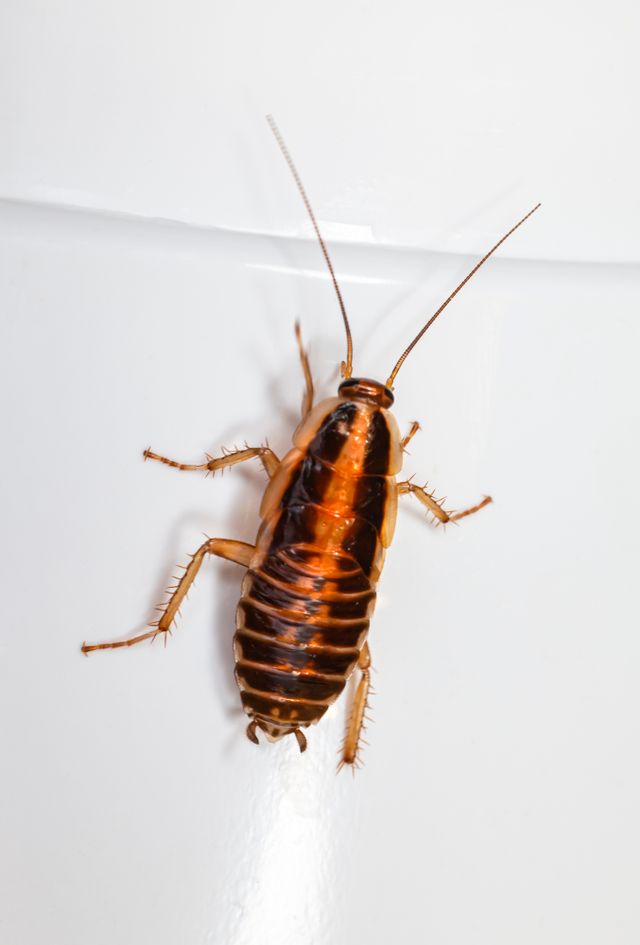
Cockroaches have flattened oval-shaped bodies, long antennae, and six spiny legs that allow them to move quickly through tight spaces. Their color varies from light brown to nearly black depending on the species.
Most cockroaches hide during the day and become active at night in search of food and water. Because they reproduce rapidly, even a few sightings can indicate a much larger hidden infestation.
-
Flat oval-shaped body with long antennae
-
Light brown to dark brown coloration
-
Fast-moving insects that avoid light
-
Egg capsules (oothecae) hidden in cracks
COMMON cockroaches
Not Every Cockroach Creates The Same Problem.
Different cockroach species prefer different environments, making proper identification essential for selecting the most effective treatment plan.
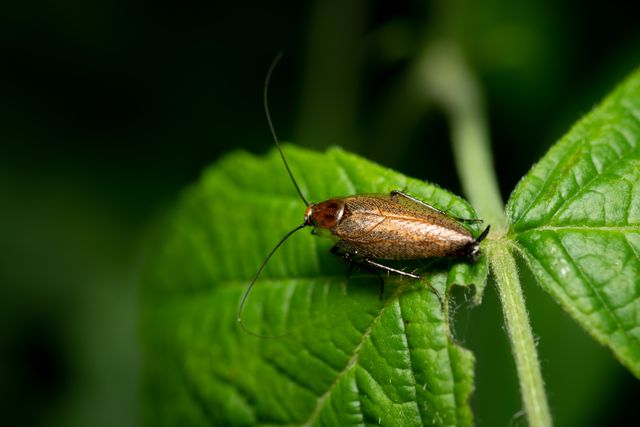
German Cockroach
The most common indoor cockroach in Oregon. German cockroaches reproduce rapidly and are commonly found in kitchens, restaurants, apartments, and bathrooms.
Size: 13–16 mm
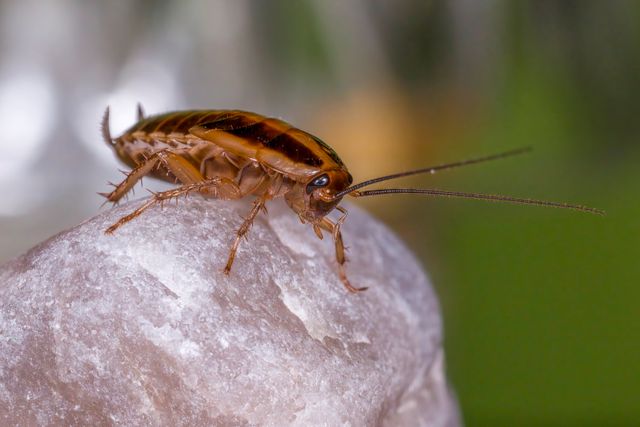
American Cockroach
One of the largest cockroach species, often found in basements, crawl spaces, drains, and commercial buildings where moisture is abundant.
Size: 35–50 mm
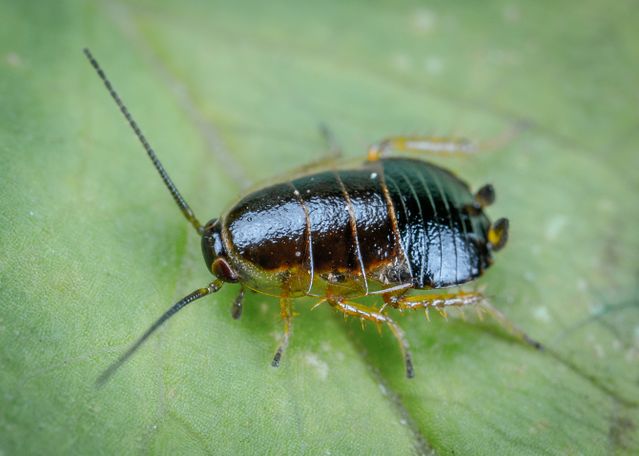
Oriental Cockroach
Often called “water bugs,” Oriental cockroaches thrive in damp, cool environments such as basements, utility rooms, and crawl spaces.
Size: 20–27 mm
WHAT COCKROACHES NEED
Your Home Offers Exactly What Cockroaches Need.
Cockroaches survive because homes provide easy access to food, moisture, warmth, and countless hiding places. Eliminating these resources is key to long-term prevention.
Food
Cockroaches feed on crumbs, grease, garbage, pet food, cardboard, and even glue found inside homes.
Moisture
Leaking pipes, damp basements, bathrooms, and kitchens provide the moisture cockroaches need to survive.
Warmth
Indoor temperatures allow cockroaches to remain active and reproduce throughout the year.
Shelter
Wall voids, cabinets, appliance gaps, crawl spaces, and clutter create safe hiding places during the day.
SIGNS OF INFESTATION
Signs You May Have A Cockroach Infestation
Cockroaches are skilled at staying hidden. By the time you notice one, many more may already be living behind walls or appliances.
-
Cockroaches seen during daylight
-
Small pepper-like droppings
-
Egg capsules near cabinets
-
Musty unpleasant odor
-
Smear marks along walls
-
Shed skins around hiding places