Bug Zapper Pest Library
Keep Boxelder Bugs & Stink Bugs Outside Your Home
Boxelder bugs and stink bugs are seasonal nuisance pests that often invade homes as temperatures begin to cool. While they don’t bite, sting, or cause structural damage, large numbers gathering around windows, walls, and attics can quickly become frustrating. Learn how to identify these pests, understand why they enter homes, and discover effective ways to keep them outside.
10,000+
Homes protected
100+
Oregon Communities
4.9 Stars
1,500+ local reviews
Know Your Pest
Quick Boxelder Bug & Stink Bug Facts
These seasonal invaders become most noticeable during the fall when they search for warm, sheltered places to overwinter.
Typical Size
½–¾ Inch Long
Where Found
Windows & Walls
Most Active
Late Summer & Fall
Threat Level
Low Health Risk
DIY Difficulty
Moderately Difficult
Nesting Areas
Attics & Wall Voids
Boxelder & Stink Bugs Identification
How To Identify Boxelder Bugs & Stink Bugs
Boxelder bugs and stink bugs are commonly mistaken for one another because both gather around homes during cooler months. Although they don’t reproduce indoors, they often enter through tiny gaps around windows, doors, vents, and siding while searching for protected overwintering sites.
Boxelder bugs have black bodies with bright red or orange markings along their wings and thorax. Stink bugs have broad, shield-shaped bodies that range from brown to gray and are well known for releasing a strong odor when crushed or disturbed.
-
Large groups gathering on sunny walls
-
Black insects with red markings
-
Brown shield-shaped insects indoors
-
Increased activity during fall
-
Unpleasant odor when stink bugs are disturbed
COMMON SEASONAL INVADERS
Not Every Fall Invader Is The Same.
Although both pests seek shelter indoors before winter, each species has unique characteristics and behaviors.
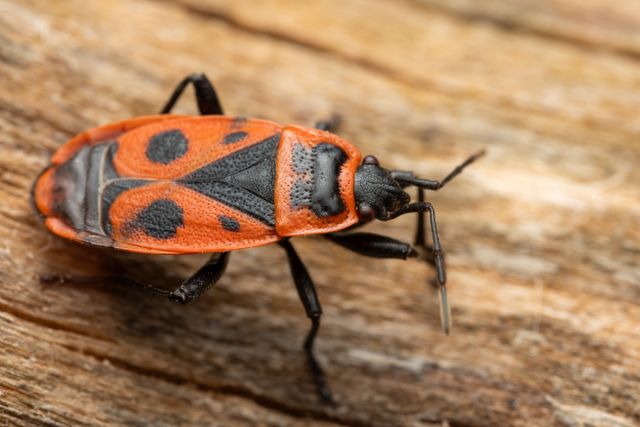
Boxelder Bug
Boxelder bugs feed primarily on boxelder, maple, and ash trees. They often gather on sunny exterior walls before entering homes through small openings.
Size: 12–14 mm
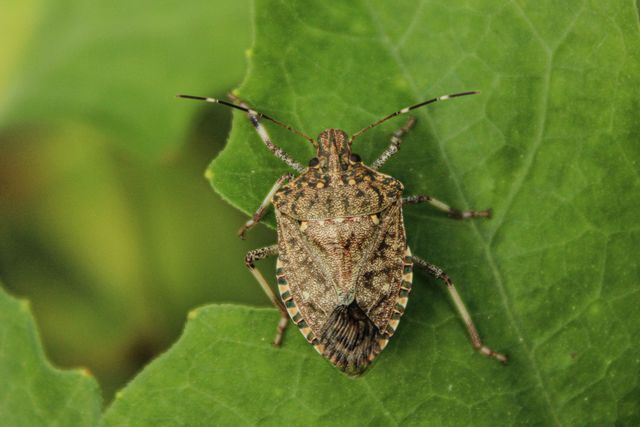
Brown Marmorated Stink Bug
Brown marmorated stink bugs invade homes during the fall and release a strong odor when threatened or crushed.
Size: 14–17 mm
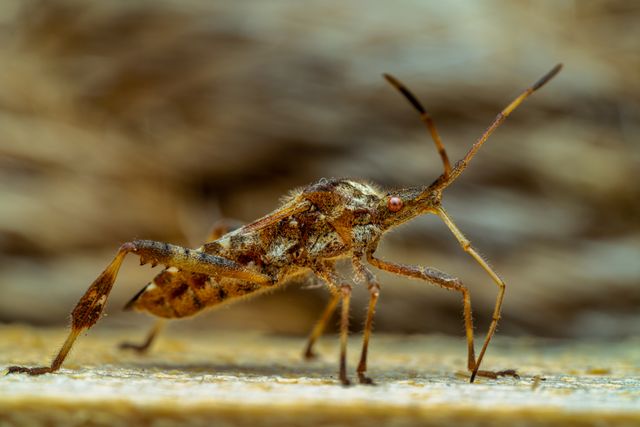
Western Conifer Seed Bug
Often mistaken for stink bugs, these insects enter homes in autumn seeking warmth but do not reproduce or damage property indoors.
Size: 16–20 mm
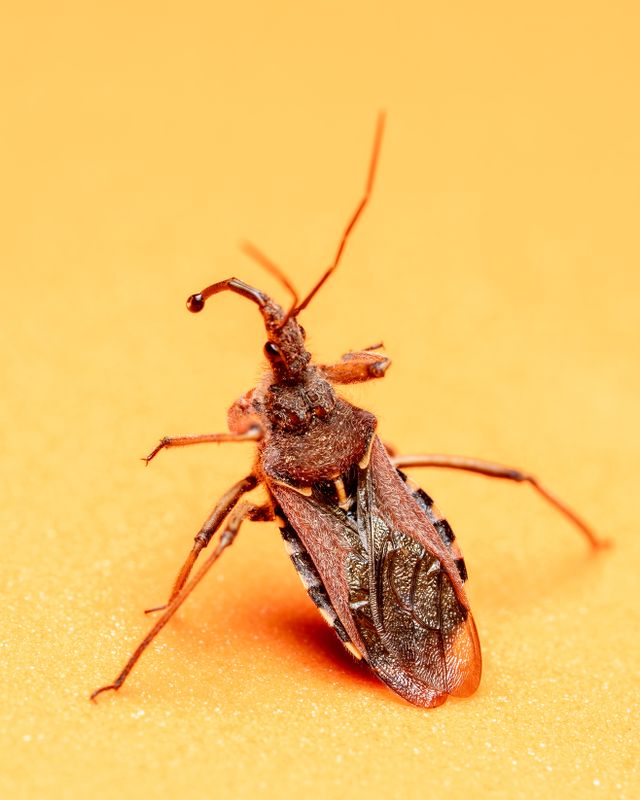
WHAT ATTRACTS THEM
Your Home Offers The Perfect Winter Shelter.
As outdoor temperatures drop, these nuisance pests look for protected places where they can survive until spring.
Warm Surfaces
Sunny walls and south-facing windows attract insects before they search for entry points.
Small Openings
Cracks around windows, doors, vents, soffits, and utility lines provide easy access indoors.
Nearby Trees
Boxelder, maple, ash, and other shade trees often support large outdoor populations.
Protected Spaces
Attics, wall voids, garages, and crawl spaces provide safe places to overwinter.
SIGNS OF INFESTATION
Signs You May Have Seasonal Invaders
Although these pests don’t breed indoors, large numbers entering your home can quickly become a nuisance.
-
Clusters around windows
-
Insects crawling on ceilings
-
Large numbers on sunny walls
-
Earwigs hiding Increased activity during autumnbeneath outdoor objects
-
Strong odor from disturbed stink bugs
-
Repeated indoor sightings near windows
Most Boxelder Bugs & Stink Bugs Enter Before Winter
These insects begin searching for overwintering sites in late summer and fall. Sealing cracks and gaps before temperatures drop is one of the most effective ways to reduce indoor infestations.