Bug Zapper Pest Library
Understanding Bees Around Your Home & Landscape
Bees play a vital role in pollinating plants and supporting healthy ecosystems, but when they build hives on or inside homes, they can create safety concerns for families and pets. Learn how to identify common bee species, recognize signs of hive activity, and know when professional assistance is the safest option.
Know Your Pest
Quick Bee Facts
Bees are beneficial pollinators, but established hives near homes should be evaluated carefully to protect both people and the bees whenever possible.
Typical Size
½–1 Inch Long
Where Found
Gardens & Roofs
Most Active
Spring Through Fall
Threat Level
Moderate Sting Risk
DIY Difficulty
Very Difficult
Nesting Areas
Trees & Wall Voids
Bee Identification
How To Identify Bees
Bees are fuzzy-bodied insects that feed on nectar and pollen while pollinating flowers, trees, and crops. Unlike wasps, bees have rounder bodies covered with fine hairs that help collect pollen.
Many bee species are gentle and only sting when they feel threatened. However, large colonies built inside walls, chimneys, or other structures should be addressed before they continue to grow.
-
Fuzzy body with rounded shape
-
Black, brown, and golden coloring
-
Bees regularly entering one opening
-
Wax comb visible near nesting areas
-
Constant buzzing around flowers or hives
COMMON BEE SPECIES
Not Every Bee Builds The Same Type Of Nest.
Different bee species have unique nesting habits and behaviors, making proper identification important before choosing the appropriate solution.
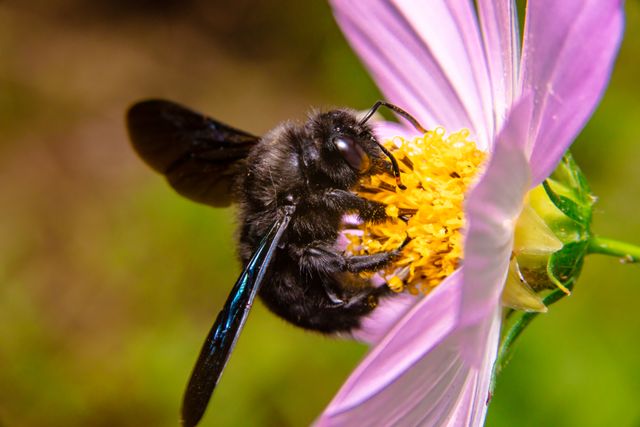
Carpenter Bee
Carpenter bees tunnel into untreated wood to create nesting galleries, which can eventually damage decks, fences, and wooden structures.
Size: 20–25 mm
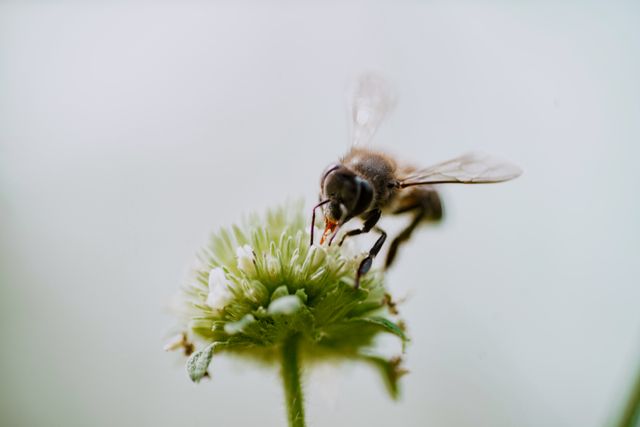
Honey Bee
Honey bees live in large colonies and build wax honeycombs inside hollow trees, wall voids, chimneys, and other sheltered spaces.
Size: 12–15 mm
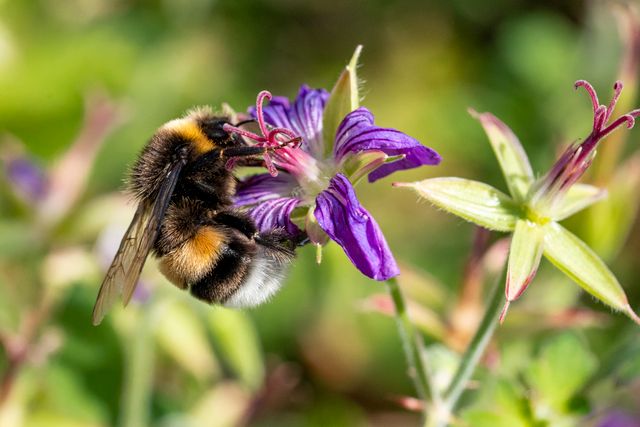
Bumble Bee
Bumble bees are larger, fuzzy pollinators that commonly nest underground, beneath sheds, or inside dense vegetation.
Size: 15–25 mm
WHAT BEES NEED
Your Property Offers Excellent Nesting Opportunities.
Bees look for safe nesting locations close to flowering plants, water sources, and shelter where colonies can grow successfully.
Flowering Plants
Gardens, flowering trees, shrubs, and native plants provide nectar and pollen throughout the growing season.
Water
Bird baths, ponds, sprinklers, and small puddles help support active bee colonies.
Warm Weather
Bees are most active during warmer months when flowers are abundant and colonies expand rapidly.
Shelter
Wall voids, tree cavities, wooden structures, and underground spaces offer ideal nesting locations.
SIGNS OF INFESTATION
Signs You May Have A Bee Hive Nearby
Bee activity often increases gradually as colonies grow. Identifying a hive early can help prevent it from becoming established inside your home.
-
Large numbers of bees flying together
-
Bees entering the same wall opening
-
Buzzing sounds inside walls
-
Wax comb near rooflines
-
Honey or staining around entry points
-
Increased activity near flowering plants