Bug Zapper Pest Library
Everything You Need to Know About Bed Bugs in Oregon.
Bed bugs are one of the fastest-spreading household pests in Oregon. They hide in mattresses, furniture, luggage, and tiny cracks, feeding on human blood while people sleep.
10,000+
Homes protected
100+
Oregon Communities
4.9 Stars
1,500+ local reviews
Know Your Pest
Quick Bed Bug Facts
Bed bugs don’t discriminate between clean or dirty homes. Understanding their habits is the first step toward early detection and successful elimination.
Typical Size
4–7 mm Long
Where Found
Beds & Nearby Furniture
Most Active
Late Night Hours
Threat Level
High Risk Pest
DIY Difficulty
Very Difficult
Nesting Areas
Mattresses & Furniture
Bed Bugs Identification
How To Identify Bed Bugs
Adult bed bugs are flat, oval-shaped insects with a reddish-brown color. After feeding, their bodies become swollen and darker red. Young bed bugs (nymphs) are much smaller and lighter in color, making them difficult to spot.
Unlike fleas, bed bugs cannot jump or fly. They crawl quickly and spend most of their lives hidden in cracks near where people sleep.
-
Reddish-brown, apple-seed-sized insects
-
Tiny white eggs and pale shed skins around mattresses
-
Blood stains on bedding after feeding
-
Musty odor in severe infestations
COMMON BED BUGS
Not Every Bed Bug Problem Looks The Same.
While the common bed bug is responsible for nearly all residential infestations, different life stages require different treatment strategies.
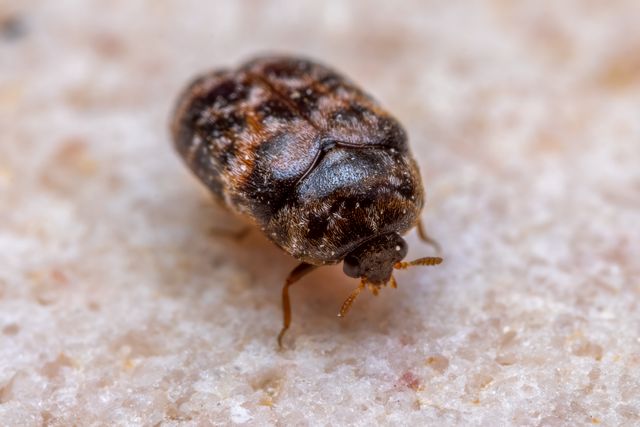
Adult Bed Bugs
Adult bed bugs are approximately 5–7 mm long and capable of surviving several months without feeding. They are responsible for reproduction and spreading infestations.
Size: 5–7 mm
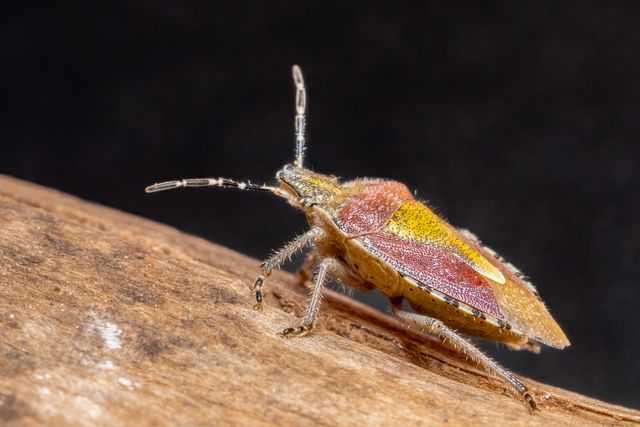
Bed Bug Nymphs
Immature bed bugs are much smaller and nearly transparent before feeding. They mature through five growth stages before adulthood.
Size: 1–4 mm
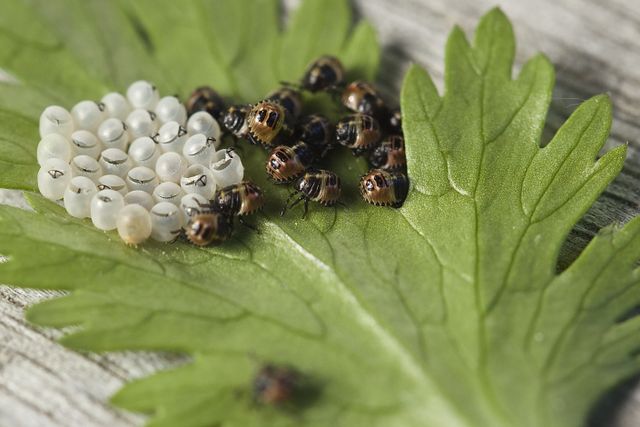
Bed Bug Eggs
Bed bug eggs are tiny, white, and extremely difficult to detect. A single female can lay hundreds of eggs during her lifetime.
Size: About 1 mm
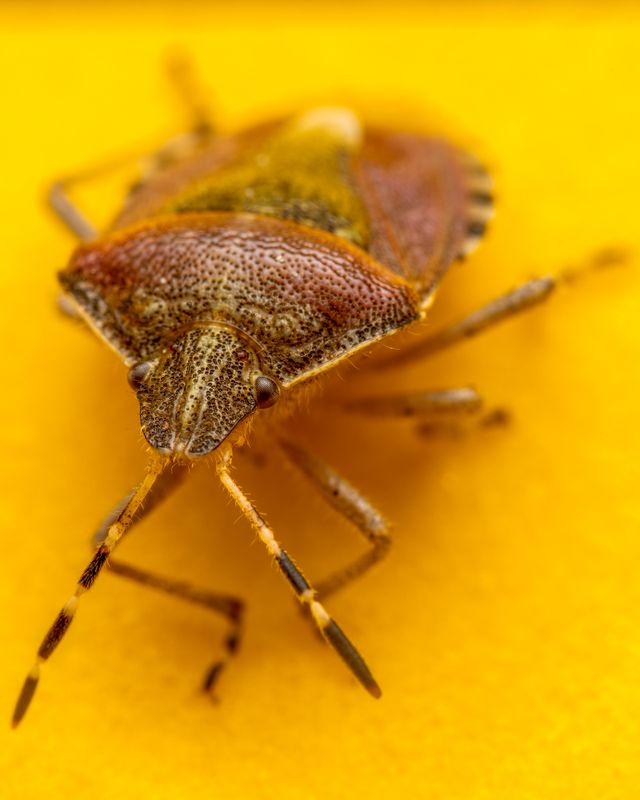
WHAT BED BUGS NEED
Your Home Offers Exactly What Bed Bugs Need.
Bed bugs survive because our homes provide ideal hiding places and easy access to sleeping hosts. Eliminating these conditions helps reduce the risk of future infestations.
Food
Bed bugs feed exclusively on human and animal blood. They usually feed every few days but can survive months without a meal.
Hiding Places
Mattresses, furniture seams, baseboards, electrical outlets, luggage, and cracks provide excellent hiding locations.
Warmth
Bedrooms provide the stable temperatures bed bugs prefer throughout the year.
Transportation
Bed bugs spread easily through luggage, secondhand furniture, clothing, and shared living spaces.
SIGNS OF INFESTATION
Signs You May Have A Bed Bug Infestation
Seeing a few ants does not always mean there is a major infestation, but repeated activity usually indicates an established trail or nearby colony.
-
Small bites appearing in lines or clusters
-
Tiny blood stains on sheets
-
Live insects hiding in mattress seams
-
Dark fecal spots on mattresses
-
Shed skins around furniture