Bug Zapper Pest Library
Everything You Need to Know About Ants in Oregon.
Learn how to identify ants, understand why they enter homes, recognize the warning signs, prevent infestations, and know when it is time to call a professional.
Know Your Pest
Quick Ant Facts
Learn the essential facts about ants, from their typical size and nesting areas to their activity patterns and the challenges homeowners often face with DIY ant control.
Typical Size
Approximately 1–15 mm
Where Found
Kitchens, walls, and yards
Most Active
Primarily spring through fall
Threat Level
Varies depending on species
DIY Difficulty
Moderate to high
Nesting Areas
Soil, wood, walls, and structures
Ant Identification
How to Identify Ants
Ants have three distinct body sections, six legs, elbowed antennae, and a narrow waist between the thorax and abdomen. Their size and color vary considerably depending on the species.
Some ants are tiny and dark brown, while carpenter ants may be much larger and mostly black. Winged ants may also appear during seasonal swarming periods and are sometimes mistaken for termites.
-
Elbowed antennae and a narrow, pinched waist.
-
Workers may range from very small to more than half an inch long.
-
Color can range from light brown and reddish to deep black.
-
Species identification helps determine the correct control method.
Common Oregon Ants
Not Every Ant Creates the Same Problem.
Oregon properties may encounter several ant species. Correctly identifying the ant helps determine whether the issue is mainly a nuisance, a sanitation concern, or a risk to the structure.
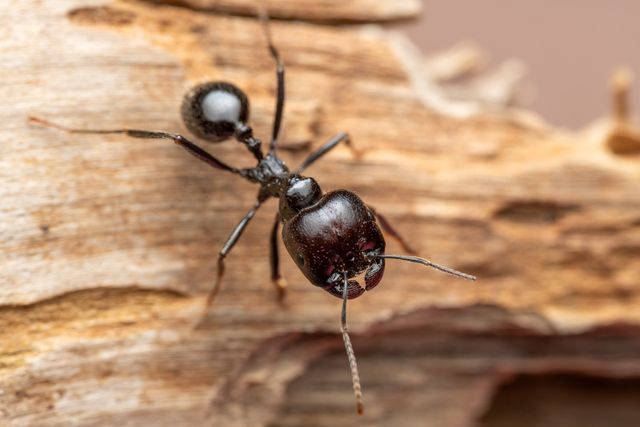
Carpenter Ants
Large ants that tunnel through damp or damaged wood to create nesting galleries. Sawdust-like material can indicate activity.
Size: 6–15 mm
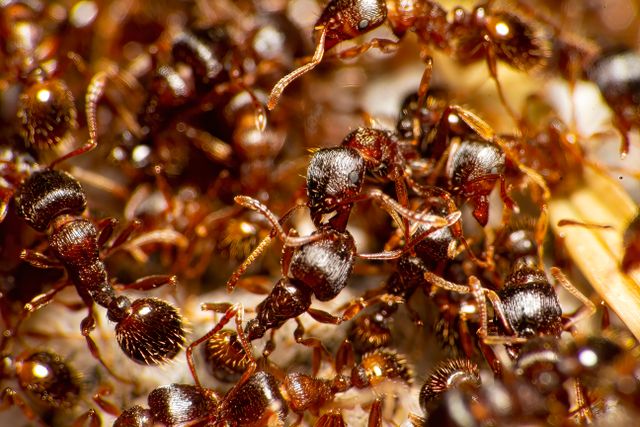
Odorous Ants
Small brown or black ants that commonly form long trails into kitchens and bathrooms while searching for food and moisture.
Size: 2–3 mm
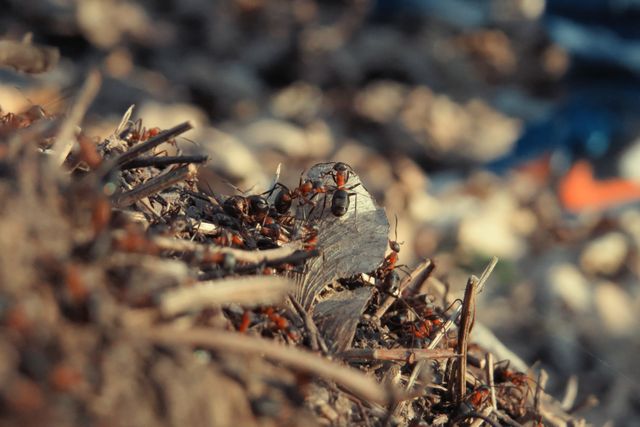
Pavement Ants
Often nest beneath pavement, slabs, stones, and building foundations. They may enter ground-level rooms while foraging.
Size: 2.5–3 mm
Why Ants Come Inside
Your Home Offers Exactly What a Colony Needs.
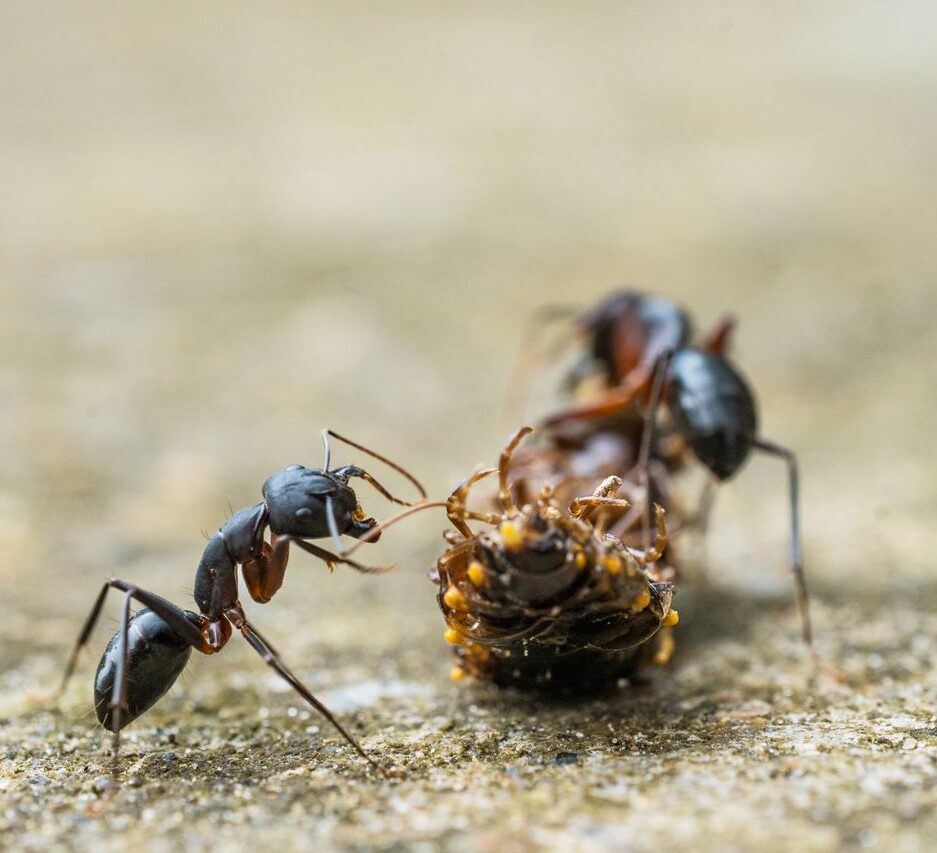
Ants commonly enter buildings while searching for food, water, shelter, and stable temperatures. Once one ant finds a reliable resource, it can create a trail that brings many more.
Food
Crumbs, grease, pet food, sugary spills, and poorly sealed pantry items can attract foraging ants.
Moisture
Leaks, damp crawl spaces, bathrooms, and condensation provide dependable water sources.
Shelter
Wall voids, insulation, damaged wood, and foundation gaps offer protected nesting areas.
Warmth
Indoor spaces can allow colonies to stay active when outdoor temperatures become less favorable.
Common Warning Signs
Signs You May Have an Ant Infestation
Seeing a few ants does not always mean there is a major infestation, but repeated activity usually indicates an established trail or nearby colony.
-
Consistent ant trails
-
Winged ants indoors
-
Ants near food or water
-
Sawdust-like debris