



In an era where environmental consciousness is at the forefront, the pivot towards natural and sustainable pest control has become imperative.
This comprehensive guide delves into the most advanced, nature-based solutions to pest problems, offering a deep dive into effective and environmentally responsible strategies.
From using essential oils with proven repellent properties to strategically introducing natural predators, this guide covers various innovative techniques to safeguard your home while preserving the planet. Embark on this thorough investigation to discover practical, sustainable measures that protect your health and contribute to a greener future.
What Are Some Natural Solutions for Pest Control?
Natural pest control solutions are an effective and environmentally friendly alternative to traditional chemical pesticides. They leverage nature’s mechanisms to deter, repel, or eliminate pests.
Here are some of the most effective natural solutions for pest control:
Essential Oils
According to the case study “Essential Oils as Repellents against Arthropods,” essential oils (EOs) are emerging as a promising alternative to synthetic repellents due to their effectiveness and safety profile.
The study highlights that EOs, derived from plant–based compounds like citronellol, citronellal, and limonene, offer significant repellent properties against arthropods responsible for transmitting diseases such as dengue, malaria, and yellow fever.
Essential oils can be diluted as a spray or diffuser to deter pests from entering your home.
Diatomaceous Earth
This is a powder made from the fossils of marine phytoplankton. It’s non-toxic for humans and pets but lethal for many types of insects.
According to the National Pesticide Information Center, diatomaceous earth dehydrates insects by absorbing the oils and fats from their exoskeleton. Its abrasive edges expedite this process. The substance remains effective as long as it stays dry and undisturbed.
Biological Control
This involves introducing natural predators of the pests into your environment.
For example, ladybugs and spiders are natural predators of many types of insects and can help control their populations. Below is a table outlining common pests and their corresponding biological control agents:
| Pest | Biological Control Agent |
| Aphids | Lacewing and ladybird beetle larvae, parasitic wasps |
| Caterpillars | Parasitic wasps, Bacillus thuringiensis (Bt) Toxin |
| Mites | Predatory Mites |
| Slugs | Nematodes |
| Whitefly | Parasitic Wasps |
As per the table above, various biological control agents manage different pests. For aphids, lacewing, ladybird beetle larvae, and parasitic wasps are effective. Caterpillars can be controlled using parasitic wasps and Bacillus thuringiensis (Bt) toxin. Predatory mites are used for mite control, nematodes for slugs, and parasitic wasps for whiteflies. These natural predators help keep pest populations in check.
Plant-Based Insecticides
Several plants, such as chrysanthemums and tobacco, produce toxic chemicals to pests. These chemicals can be extracted and used as natural insecticides.
Companion Planting
Planting certain types of plants together to deter pests is highly effective. Some plants naturally repel certain kinds of pests.
For example, planting marigolds around your vegetable garden can help deter aphids, nematodes, and other pests. See this companion planting chart for more techniques to enhance your garden’s health and productivity.
Homemade Sprays
Several recipes for homemade pest control sprays use common household ingredients.
For example, a mixture of water, dish soap, and cayenne pepper can deter various pests.
How Effective Are Natural Pest Control Methods?
Natural pest control methods have been gaining popularity due to their eco–friendly nature and minimal impact on non-target organisms.
However, their effectiveness can vary depending on several factors, such as the type of pest, the severity of the infestation, and the specific method used.
Understanding Natural Pest Control Methods
Firstly, it’s essential to understand that natural pest control methods work differently than synthetic pesticides.
While synthetic pesticides often aim to kill pests on contact, natural methods focus on repelling pests, disrupting their life cycle, or creating an unfavorable environment for them.
Let’s examine the effectiveness of some natural pest control methods, starting with essential oils.
Essential Oils as Natural Repellents
Essential oils like citronella, eucalyptus, and lemongrass repel a variety of insects, including mosquitoes, flies, and ticks. These oils can be used in diffusers, sprays, or even garden plants to keep pests at bay.
According to a case study published by Entomology Today, essential oils show significant potential in managing urban insect pests such as ants, fleas, termites, and cockroaches. Extracts from plants like cinnamon, oregano, mint, grass, and ginger have demonstrated repellent and toxic effects on various life stages of these pests.
Despite their effectiveness, challenges such as high volatility and rapid degradation require formulations to enhance their stability and persistence.
Biological Control Methods
Biological control methods, such as introducing predators or parasites of the pest species, can also be highly effective. For example, ladybugs and lacewings are natural predators of aphids and can help control their populations in gardens. Similarly, certain types of bacteria, fungi, and viruses can be used to infect and kill specific pest species.
According to a meta-analysis published in the Proceedings of the Royal Society B, biological control methods effectively reduce pest abundance and crop damage while increasing crop yields in sub-Saharan Africa. The study found that biocontrol interventions decreased pest abundance by 63%, reduced crop damage by over 50%, and increased crop yields by more than 60% compared to no biocontrol.
Biocontrol showed comparable effectiveness in controlling pest abundance and enhancing crop yields compared to synthetic pesticides, with the added benefit of a 43% higher natural enemy abundance. This suggests that biological control methods are a sustainable and effective alternative to synthetic pesticides, offering significant benefits for smallholder farmers in maintaining crop production and ecosystem health.
Diatomaceous Earth
Another standard natural pest control method is diatomaceous earth, a powder made from tiny aquatic organisms’ fossils.
According to a study titled “Diatomaceous Earth for Arthropod Pest Control: Back to the Future,” diatomaceous earth (DE) is highlighted as an effective alternative to synthetic insecticides for pest control, especially in integrated pest management (IPM) protocols. It is particularly effective against stored product pests, agricultural pests, and urban pests like bed bugs and cockroaches.
However, its effectiveness can be influenced by factors such as humidity, temperature, and the physical characteristics of the target pests and grains. Despite requiring higher application concentrations than synthetic insecticides, DE remains a promising, sustainable pest control option with minimal environmental impact.
Comparing Effectiveness: Natural vs. Chemical Methods
The table below highlights the key differences between organic and synthetic pesticides in terms of use, effectiveness, environmental impact, and costs.
| Aspect | Natural (Organic) Pesticides | Chemical (Synthetic) Pesticides |
| Environmental Persistence | Breaks down relatively quickly, leaving no residual activity after a short time. | Often more persistent, providing longer protection but with potential environmental risks. |
| Frequency of Application | Often requires more frequent applications due to lower persistence. | Requires fewer applications due to longer-lasting effects. |
| Target Specificity | Can be selective, targeting specific pests and preserving beneficial organisms like pollinators. | Can be broad-spectrum, affecting both pests and beneficial insects, potentially harming non-target species. |
| Effectiveness on a Variety of Pests | May not provide effective control on all pests if multiple species are present. | Can control a broader range of pests, but may cause secondary pest outbreaks due to impacts on beneficial species. |
| Cost | Can be more expensive and may require specialized handling. | Often less expensive and readily available with a longer shelf life. |
As shown in the table above, organic pesticides can offer environmentally friendly, selective pest control but may require more frequent applications and in-depth knowledge of pest lifecycles for effective use. On the other hand, synthetic pesticides can provide effective, longer-lasting pest management at a lower cost, though they may pose greater risks to beneficial species and the environment.
What Are Some Sustainable Solutions for Pest Control?
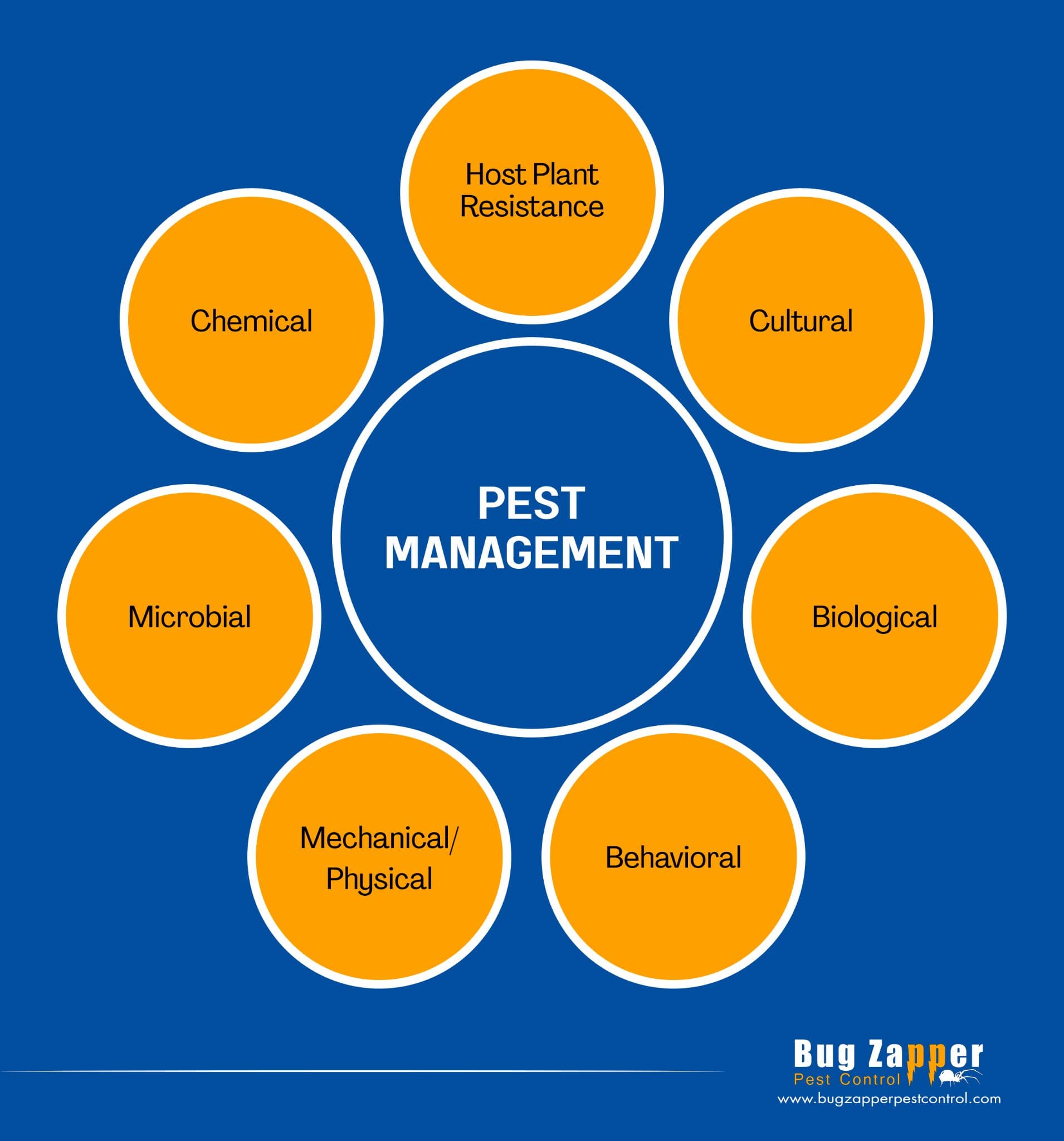
Sustainable pest control solutions are methods that effectively manage pest populations and have minimal impact on the environment and non-target organisms. These methods are designed to be long-term solutions that work with the ecosystem rather than against it.
Here are some sustainable solutions for pest control:
Biological Control
This method involves using the pests’ natural enemies to control their population. These can include predators, parasites, pathogens, and competitors.
For example, ladybugs and spiders are natural predators of many types of insects and can help control their populations.
Cultural Control
This involves modifying the environment, changing cultural practices, or growing resistant varieties of plants to make conditions less favorable for pests.
For example, crop rotation can disrupt the life cycle of pests and reduce their populations.
Mechanical and Physical Controls
These methods involve using physical barriers, traps, or manually removing pests.
For example, using nets to protect crops from birds or handpicking slugs and snails from plants.
Behavioral Control
According to a study published by the National Center for Biotechnology Information (NCBI), behavioral manipulation for pest control involves using natural and artificial signals, such as pheromones, kairomones, sounds, and vibrations, to disrupt essential behaviors like pest feeding and mating. These eco-friendly strategies aim to reduce pesticide reliance by interfering with pests’ everyday habits.
Techniques include kairomone-based lures that attract pests into smart-tech traps with real-time data collection, pheromone traps for estimating pest population densities using mathematical models, and vibrational signals that disrupt mating processes.
These methods promote a multidisciplinary approach, combining biology, ecology, mechanics, chemistry, and informatics to manage pest populations effectively in an environmentally sustainable way.
Regulatory Control
This involves enforcing quarantines and inspections to prevent the spread of pests to new areas.
Integrated Pest Management (IPM)
This is a holistic approach that combines all the above methods.
It involves monitoring pest populations, accurately identifying pests, and using a combination of biological, cultural, physical, and behavioral controls, with chemical controls as a last resort.
Can I Use These Natural and Sustainable Solutions for All Pest Types?
The effectiveness of natural and sustainable pest control solutions can vary depending on the type of pest. However, many of these solutions are versatile and can manage various pests.
For instance, diatomaceous earth, a natural powder made from tiny fossilized aquatic organisms, is effective against many types of insects, including ants, bed bugs, and cockroaches.
Similarly, neem oil, derived from the seeds of the neem tree, is a broad-spectrum pesticide that can be used against various pests. It disrupts the life cycle of pests at all stages—eggs, larvae, and adults. It’s particularly effective against aphids, mites, scales, and whiteflies.
Biological control methods, such as introducing natural predators of the pests into your environment, can also be effective against a range of pests. For example, ladybugs and lacewings can control aphids, while birds and bats can help control mosquito populations.
However, it’s important to note that some pests may require specific solutions. For example, termites can be particularly challenging to control and may require a combination of methods, such as baiting systems and physical barriers.
While many natural and sustainable pest control solutions can be used against various pests, their effectiveness can vary depending on the specific pest. Therefore, it’s important to identify the type of pest you’re dealing with and choose the most appropriate solution.
What Are the Benefits of Using Natural and Sustainable Pest Control Methods?
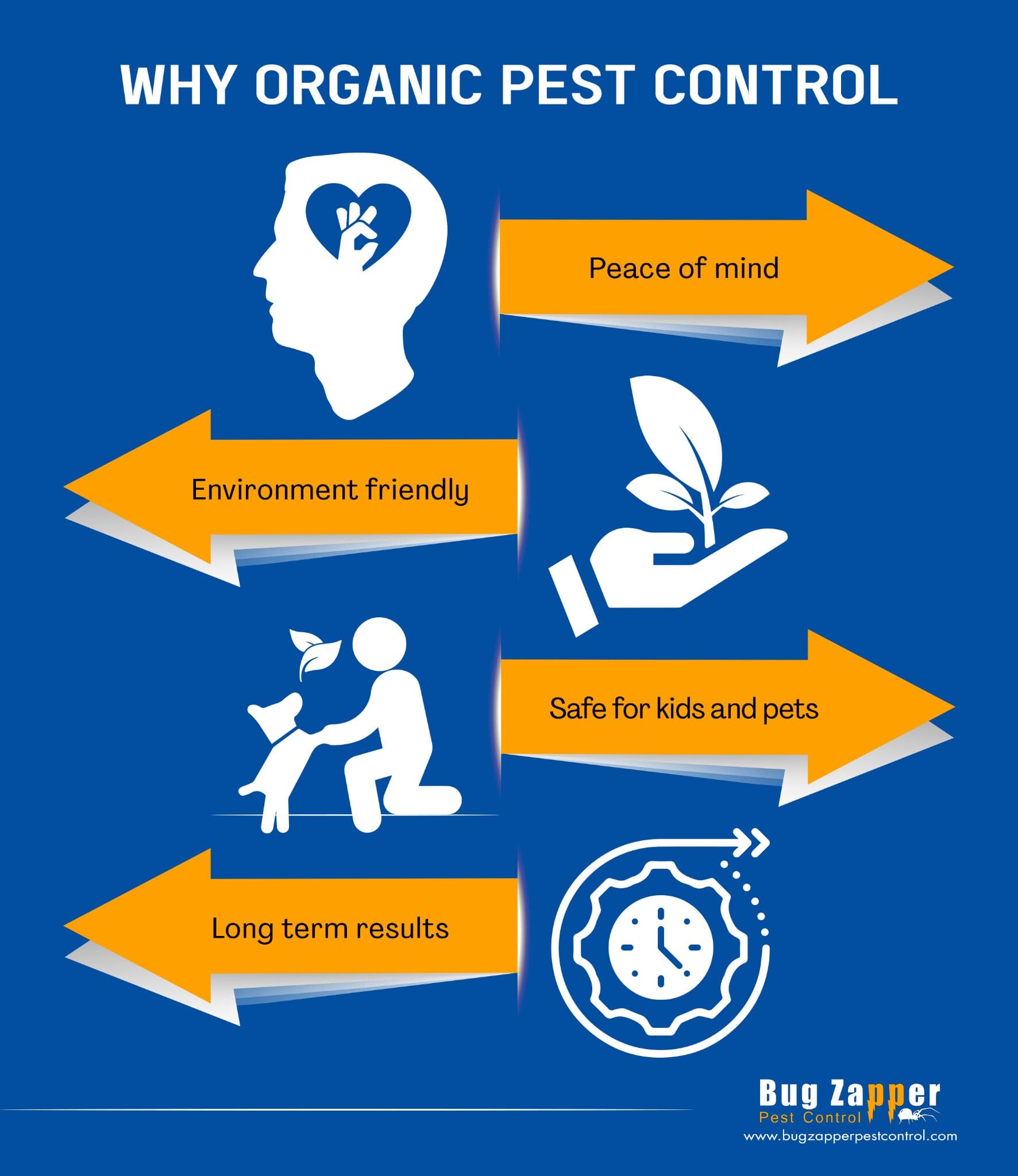
The benefits of using natural and sustainable pest control methods are manifold, spanning from personal health advantages to broader environmental impacts.
Here are some key benefits:
Health Benefits
Natural pest control methods are typically free from harmful chemicals that can cause health issues such as allergies, respiratory problems, and even more serious conditions with prolonged exposure.
According to a case study published by the National Center for Biotechnology Information (NCBI), titled “Occupational exposure to pesticides and respiratory health,” occupational exposure to pesticides is significantly associated with various adverse respiratory health effects.
The review of 41 studies found that agricultural workers and pesticide industry workers exposed to pesticides experienced increased risks of chronic respiratory symptoms such as cough, wheezing, dyspnea, and chronic bronchitis.
Additionally, studies showed a relationship between pesticide exposure and asthma, with significant associations observed in cross-sectional and longitudinal studies. Impaired lung function was also reported in workers exposed to pesticides, indicating obstructive or restrictive respiratory syndromes.
Opting for natural solutions reduces the risk of these health complications for you and your family.
Environmental Impact
Sustainable pest control methods are designed to be low–impact, meaning they cause minimal environmental harm.
Unlike chemical pesticides, which can contaminate soil, water, and other natural resources, sustainable methods aim to balance pest control with environmental preservation.
Biodiversity Preservation
Many chemical pesticides are non–selective, killing beneficial insects, organisms, and pests.
Natural and sustainable methods, on the other hand, often target specific pests, preserving beneficial organisms and maintaining biodiversity.
Resistance Management
Pests can develop resistance to chemical pesticides over time, rendering these methods less effective.
Natural and sustainable methods often involve various strategies, such as biological control and habitat manipulation, which can help manage pest resistance.
Long-term Cost Effectiveness
While the initial cost of natural and sustainable pest control methods may sometimes be higher, the long-term cost-effectiveness is often superior. These methods focus on prevention and long-term management, reducing the need for repeated treatments.
Success Stories in Pest Control
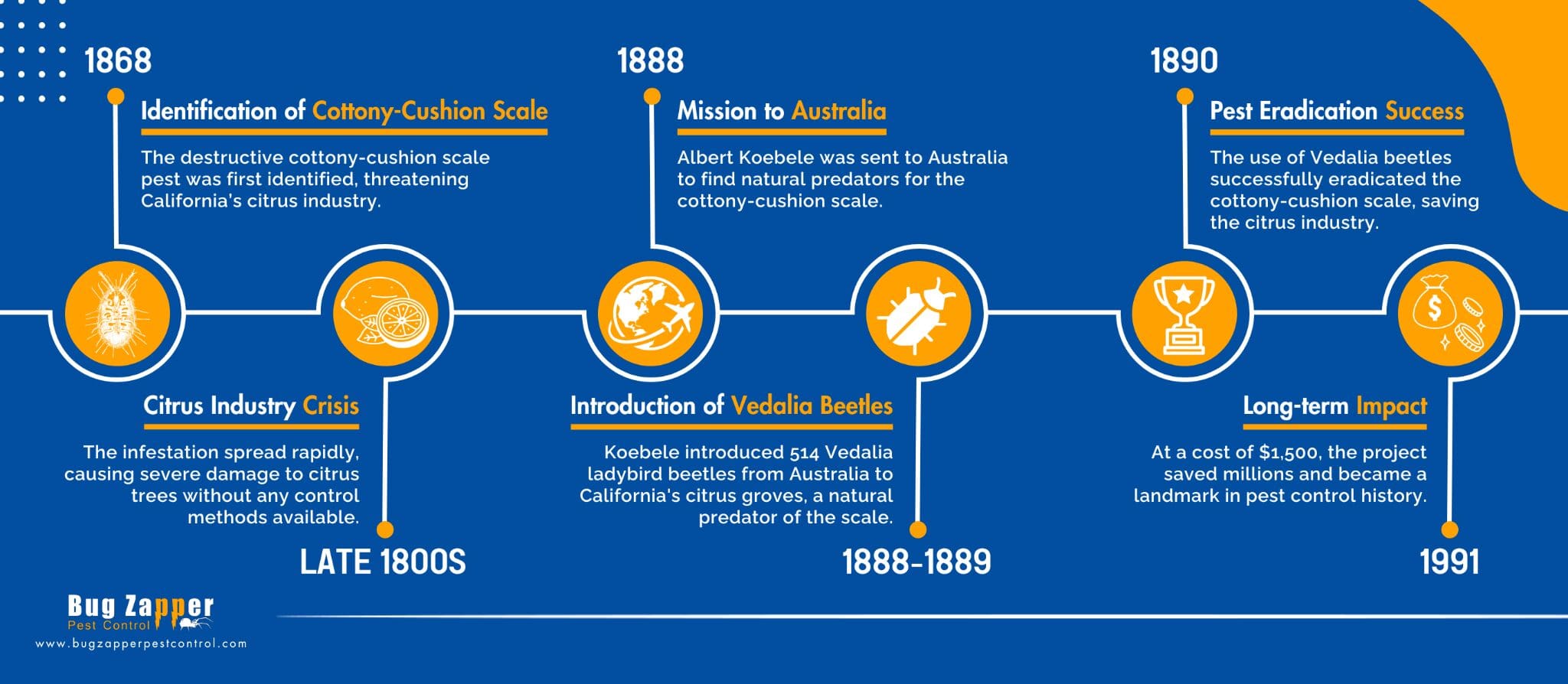
Effective pest control strategies have significantly improved agricultural productivity and public health. The following case studies highlight two successful examples of biological and integrated pest management (IPM) techniques demonstrating the efficacy of natural and sustainable pest control methods.
Cottony-Cushion Scale Control in California
Integrated Pest Management at Strong Memorial Hospital
 |
1995: IPM System Introduced Strong Memorial Hospital implemented an Integrated Pest Management system focused on non-chemical controls. |
 |
1995-2002: 77% Pest Reduction The IPM system led to a remarkable 77% drop in pests using eco-friendly methods. |
 |
1995-2002: $45,000 Annual Savings The hospital cut labor costs by $45,000 per year and reduced overall pest management expenses by 34.5%. |
 |
Reduced Environmental & Health Impact Lower pesticide use improved ecosystem health and reduced pesticide-related health complaints. |
 |
Improved Satisfaction Fewer pest complaints and use of non-toxic methods increased customer satisfaction. |
 |
Key Program Components Regular inspections, staff education, problem identification, and data monitoring fueled IPM’s success. |
 |
2002 & Beyond: Continued Success The sustainable IPM program continues to benefit the hospital, achieving economic, environmental, and health rewards. |
Are There Any Risks or Side Effects Associated With Natural Pest Control Methods?
While natural pest control methods are generally considered safer than their chemical counterparts, it’s important to understand that they do have their own risks and potential side effects.
Here are some key points to consider:
Non-Target Organisms
Natural pest control methods can sometimes affect non-target organisms. For instance, certain botanical insecticides, while derived from plants, can be toxic to beneficial insects, birds, and aquatic life.
It’s crucial to apply these substances judiciously and in a targeted manner to minimize their impact on non-target species.
Allergic Reactions
Some individuals may have allergic reactions to natural substances used in pest control. For example, substances like pyrethrum (derived from chrysanthemums) and certain essential oils can trigger allergic reactions in sensitive individuals.
Always use these substances with caution, especially around individuals known to have allergies.
Potential for Overuse
Because natural pest control methods are perceived as safer, there can be a tendency to overuse them. However, overuse can lead to pest resistance, making it harder to control pests in the long run.
It’s essential to use these methods as part of an integrated pest management strategy, which includes monitoring pest populations and using control methods only when necessary.
Ineffectiveness Against Severe Infestations
While natural methods can be effective for minor pest problems, they may not be sufficient for severe infestations. In such cases, more potent methods or professional help may be necessary.
Potential Environmental Impact
Some natural pest control methods, particularly those that involve introducing new species for biological control, can have unintended environmental consequences.
For example, introducing non-native species to control pests can sometimes lead to these species becoming invasive themselves.
How Can I Prevent Pests From Invading My Home in the First Place?
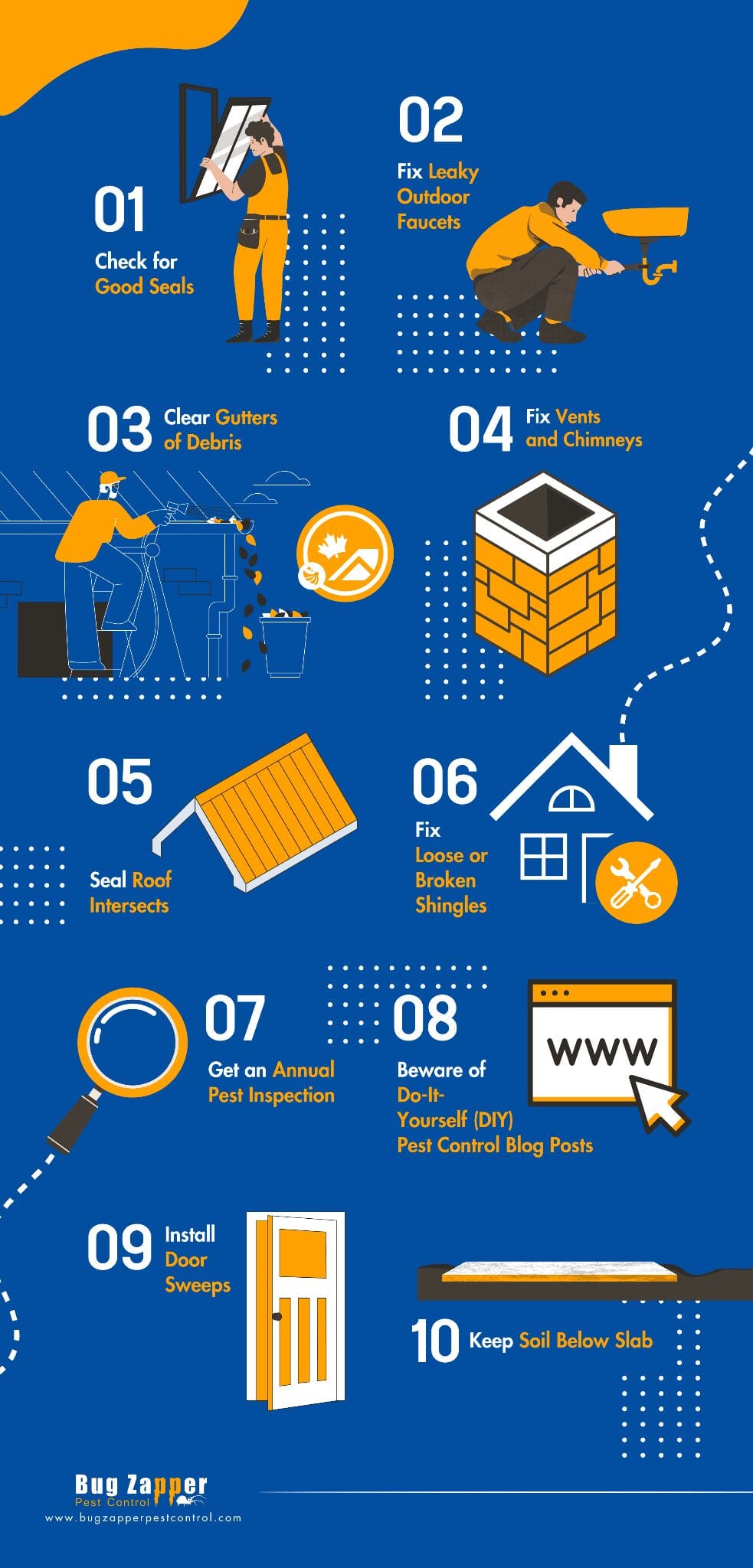
Preventing pests from invading your home is a crucial first step in pest management. This approach, Integrated Pest Management (IPM), focuses on making the environment less conducive to pests, reducing the need for chemical control methods.
Here are some effective strategies you can implement:
Sanitation
Pests are attracted to food, water, and shelter. By maintaining cleanliness, you can eliminate these attractions.
Clean your kitchen, dining area, and other places where food is consumed regularly. Dispose of garbage regularly and ensure your trash cans have tight-fitting lids.
Seal Entry Points
Pests can enter your home through tiny cracks and crevices. Regularly inspect your home for any potential entry points and seal them.
Pay special attention to areas where utility pipes enter the house, doors, windows, and the foundation.
Proper Food Storage
Store food in airtight containers. This is particularly important for pantry items like flour, cereals, and spices, which can attract pantry pests like beetles and weevils.
Reduce Clutter
Clutter provides hiding places for pests. Regularly declutter your home, especially overlooked areas like the attic, basement, and garage.
Landscaping
Regularly trim trees and shrubs that touch your home, as they can provide a pathway for pests to enter. Also, ensure your lawn is well-maintained, as overgrown grass can harbor pests.
Moisture Control
Many pests are attracted to moisture. Fix leaky pipes and ensure your home has good ventilation, particularly in high-moisture areas like the bathroom and kitchen.
Regular Inspections
Regularly inspect your home for signs of pests. Early detection can prevent a small problem from becoming a significant infestation.
How Often Should I Use These Natural and Sustainable Pest Control Methods?
The frequency of natural and sustainable pest control methods largely depends on the type of pest, the severity of the infestation, and the specific method being used.
Here are some general guidelines:
Preventive Measures
If you’re using natural methods as a preventive measure, applying them regularly is best.
For instance, certain essential oils like peppermint and eucalyptus can be used once a week to deter pests like ants and spiders.
Active Infestations
For active infestations, the frequency of application will be higher.
For example, a diatomaceous earth treatment for bed bugs might need to be applied every few days until the infestation is under control.
Seasonal Pests
Some pests are seasonal, meaning they’re more prevalent at certain times of the year. Mosquitoes, for instance, are more common in the warmer months.
In such cases, you might need to use your natural pest control methods more frequently during these peak times.
Type of Pest
The type of pest also plays a role in determining the frequency of application.
Pests with shorter life cycles, like fruit flies, might require more frequent treatments than pests with longer life cycles, such as termites.
Can These Natural and Sustainable Solutions Harm My Pets or Children?
Natural and sustainable pest control solutions are generally considered safer than their chemical counterparts, especially regarding the health and safety of pets and children. However, it’s important to remember that “natural” doesn’t always equate to “harmless.” Some natural substances can still be harmful if ingested or misapplied. As integrative medicine specialist Yufang Lin, MD, explains,
Essential oils are fantastic. They have many benefits. The problem lies in how people use them.”
Here are some safety guidelines to follow when using natural and sustainable pest control solutions:
Read and Follow the Instructions
Always read the instructions and warnings on the product label. Even natural products can have specific usage instructions to ensure safety.
Store Safely
Keep all pest control solutions, natural or not, in a secure place where children and pets cannot access them.
Use Appropriate Quantities
More is not always better. Using excessive amounts of a product can increase the risk of exposure and potential harm.
Consider Alternatives
If you’re concerned about the potential risks, consider non-toxic alternatives like traps or barriers or seek professional advice.
Are These Natural and Sustainable Pest Control Methods Expensive?
It is essential to consider the upfront costs and long-term savings when considering the cost of natural and sustainable pest control methods.
Some natural and sustainable pest control methods may seem more expensive than their chemical counterparts. This is often due to the higher cost of organic and eco-friendly ingredients. For example, a bottle of neem oil, a popular natural pesticide, may cost more than a synthetic pesticide.
However, many natural pest control methods can be made at home using common household ingredients, significantly reducing costs. For instance, a simple solution of vinegar and water can deter many pests, and baking soda is effective against cockroaches.
In addition, natural and sustainable pest control methods often focus on preventing and creating an inhospitable environment for pests. Reducing the need for repeated treatments can lead to long-term cost savings.
By choosing natural and sustainable methods, you may also avoid the potential costs associated with health problems or environmental damage caused by chemical pesticides.
While the upfront costs of natural and sustainable pest control methods may be higher in some cases, the potential for long-term savings and avoiding health and environmental costs make them a cost-effective choice in many situations.
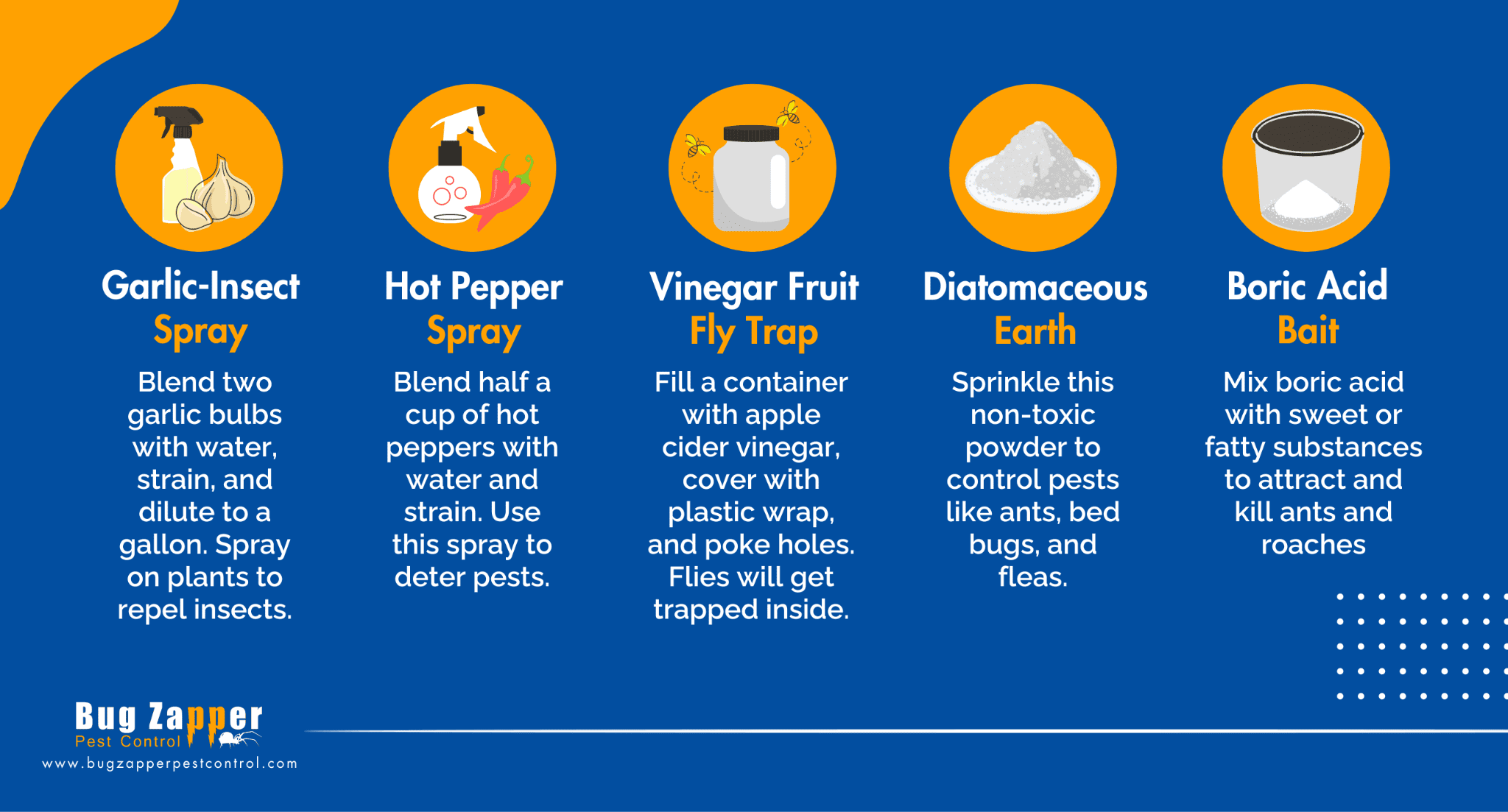
Can I Make These Natural Pest Control Solutions at Home?
Absolutely, many natural pest control solutions can be made at home using common household ingredients.
Here are a few examples:
How Long Does It Take for These Natural and Sustainable Solutions to Work?
The effectiveness of natural and sustainable pest control solutions can vary greatly depending on several factors, including the type of pest, the severity of the infestation, and the specific method used.
However, as a general rule, you should start seeing results within a few days to a few weeks.
Type of Pest
Some pests, such as ants and cockroaches, may respond more quickly to natural solutions, while others, like termites or bed bugs, may take longer due to their life cycle and nesting habits. For instance, diatomaceous earth can eliminate ants within a few days, while it may take up to a week or more to effectively control a cockroach infestation.
Severity of Infestation
The larger the infestation, the longer it may take to see results. This is because it takes time for the pests to come into contact with the solution and for the solution to disrupt their life cycle.
For a minor infestation, you might see results within a few days, but for a major infestation, it could take several weeks.
Specific Method Used
Different natural and sustainable pest control methods work at different rates. For example, biological control methods, such as introducing beneficial insects that prey on pests, can take several weeks to have a noticeable impact.
On the other hand, physical methods, like traps or barriers, can yield results more quickly.
What Are Some Signs That These Natural and Sustainable Solutions Are Working?
When implementing natural and sustainable pest control solutions, monitoring their effectiveness is crucial.
Here are some signs that these solutions are working:
Decrease in Pest Sightings
The most obvious sign of a successful pest control solution is a noticeable reduction in the number of pests you see. This could be fewer ants on your kitchen counter, fewer rodent droppings, or fewer insects flying around your home.
Less Damage to Plants and Property
Pests often cause visible damage to plants and property. For instance, aphids can cause yellowing and curling of leaves, while termites can cause structural damage to wood.
A decrease in such damage indicates that your pest control methods are working.
Reduction in Pest Sounds
Certain pests, like rodents, can be heard moving around, especially at night. If these sounds decrease or disappear entirely, the pest population will likely reduce.
Fewer Pest Droppings
Many pests leave droppings or other signs of their presence. Cockroaches, for example, leave behind a distinctive, musty odor, while mice leave small, dark droppings.
A reduction in these signs can indicate a successful pest control effort.
Positive Changes in Pet Behavior
Pets often react to pests in the home. Cats might paw at spaces under appliances where mice hide, or dogs might obsessively sniff areas where ants enter. If you notice a change in your pet’s behavior, it could be a sign that the pest population is decreasing.
Can These Natural and Sustainable Solutions Be Used for Large Scale Pest Control?
Yes, natural pest control solutions can be used for large-scale control, though adaptations are needed. Effectiveness varies depending on the pest type and infestation size. Botanical insecticides like pyrethrum and rotenone are effective but may harm beneficial organisms, so careful use is required.
Application methods must also be scaled up. For example, while a homeowner may spray garlic-based repellent by hand, large-scale use would require mechanized tools like tractor-mounted sprayers.
Cost-effectiveness can be a challenge. Natural methods often need frequent reapplication, increasing labor and material costs. However, biological controls (e.g., predators or parasites) are particularly suitable for long-term and large-scale use within an integrated pest management strategy.
Overall, implementing natural solutions on a large scale requires careful planning. Consulting a pest management professional is recommended for tailored strategies.
Where Can I Find More Information About Natural and Sustainable Pest Control Methods?
In the quest for more knowledge about natural and sustainable pest control methods, there are numerous resources available. These resources range from scientific research papers to practical guides and online forums.
Here are some recommended sources:
Scientific Journals
Journals such as the Journal of Pest Science, BioControl, and the Journal of Economic Entomology often publish research on natural and sustainable pest control methods. These publications provide in-depth, peer-reviewed studies on the effectiveness of various methods and the science behind them.
Books
There are several books that provide comprehensive information on this topic. “The Organic Gardener’s Handbook of Natural Pest and Disease Control” by Fern Marshall Bradley, Barbara W. Ellis, and Deborah L. Martin is a highly recommended read.
Another useful book is “Dead Snails Leave No Trails: Natural Pest Control for Home and Garden” by Loren Nancarrow and Janet Hogan Taylor.
Online Resources
Websites such as the Environmental Protection Agency (EPA) and the National Pesticide Information Center (NPIC) offer a wealth of information on natural and sustainable pest control methods. They provide practical guides, safety information, and updates on the latest research.
Extension Services
Many universities have extension services that provide resources on sustainable pest control. For example, the University of California’s Statewide Integrated Pest Management Program offers detailed information on managing pests with environmentally friendly methods.
Workshops and Webinars
Look for workshops and webinars offered by agricultural extension services, gardening clubs, and environmental organizations. These events can provide hands-on learning experiences and opportunities to ask questions to experts in the field.
Implement Effective Natural and Sustainable Pest Control Strategies
This resource guide has outlined a range of natural and sustainable pest control methods, emphasizing the importance of using eco-friendly solutions to manage pest populations. Key points include using essential oils, diatomaceous earth, biological control, and plant-based insecticides. These methods not only provide effective pest control but also minimize environmental impact and health risks associated with chemical pesticides.
To achieve optimal results, it is crucial to identify the specific pests and tailor the control methods accordingly. Regular monitoring and maintenance are essential to prevent infestations and ensure the long-term effectiveness of the chosen solutions. By integrating these natural and sustainable approaches into your pest management strategy, you can create a healthier, safer, and more sustainable living environment.
Definition of Terms
Synthetic Repellents
Synthetic repellents are man-made chemicals designed to deter insects and other pests. They work by interfering with the pests’ ability to detect humans or other hosts. DEET (N, N-diethyl-meta-toluamide) is a common example of a synthetic repellent used to protect against mosquito bites and other insect interactions.
Nematodes
Nematodes are microscopic, worm-like organisms that inhabit various environments, including soil and water. They can be beneficial or harmful, depending on the species. Beneficial nematodes, such as Steinernema and Heterorhabditis, are used in biological pest control to target soil-dwelling insects like grubs and caterpillars.
Infestation
Infestation refers to the presence of a large number of pests or parasites in a specific area, causing damage or health risks. An example of an infestation is a house overrun by bed bugs, which feed on human blood and can cause itching and allergic reactions.
Life Cycle
The life cycle of an organism includes the stages it goes through, from birth to maturity and reproduction. For instance, the life cycle of a mosquito includes the egg, larva, pupa, and adult stages. Understanding an organism’s life cycle is crucial for effective pest management strategies.
Ecosystem
An ecosystem is a community of living organisms interacting with each other and their physical environment. It includes plants, animals, microorganisms, and their surroundings. For example, a forest ecosystem consists of trees, birds, insects, fungi, and the soil they live in, all interconnected through various ecological processes.
Kairomones
Kairomones are chemical substances emitted by one species that benefit other species, usually in a predator-prey relationship. For instance, kairomones released by aphids can attract ladybugs, which prey on the aphids. These chemicals are often used in integrated pest management to lure beneficial predators.
Active Infestations
Active infestations refer to the current presence and activity of pests in an area. Identifying active infestations is essential for timely intervention and pest control measures. For example, finding termite tunnels in wooden structures indicates an active infestation that requires immediate treatment to prevent structural damage.
References
- Top 40 Natural Pest Control Methods – SEPA – Safe and Effective Pesticide Applications – NCRR SEPA (2022). Available at: https://www.ncrrsepa.org/natural-pest-control-methods/.
- Lee, M.Y. (2018) ‘Essential Oils as Repellents against Arthropods,’ BioMed Research International, 2018, pp. 1–9. Available at: https://doi.org/10.1155/2018/6860271.
- Diatomaceous Earth General Fact Sheet (no date) npic.orst.edu. Available at: http://npic.orst.edu/factsheets/degen.html#:~:text=Diatomaceous%20earth%20causes%20insects%20to.
- PEST CONTROL COMPANION PLANTING CHART -new-self-sufficient-living.com (no date). Available at: https://womensconference.byu.edu/sites/womensconference.ce.byu.edu/files/49e_1.pdf.
- Carson, R. (2023) Synthetic Pesticides & DDT | Rachel Carson, blogs.ntu.edu.sg. Available at: https://blogs.ntu.edu.sg/hp3203-1718-s2-08/synthetic-pesticides-ddt/#:~:text=Synthetic%20pesticides%20are%20man%2Dmade.
- Today, E. (2022) Essential Oils: An Untapped Resource for Managing Urban Insect Pests, Entomology Today. Available at: https://entomologytoday.org/2022/07/14/essential-oils-untapped-resource-managing-urban-insect-pests/.
- Ratto, F. et al. (2022) ‘Biological control interventions reduce pest abundance and crop damage while maintaining natural enemies in sub-Saharan Africa: a meta-analysis,’ Proceedings of the Royal Society B: Biological Sciences, 289(1988). Available at: https://doi.org/10.1098/rspb.2022.1695.
- Zeni, V. et al. (2021) ‘Diatomaceous Earth for Arthropod Pest Control: Back to the Future’, Molecules, 26(24), p. 7487. Available at: https://doi.org/10.3390/molecules26247487.
- Crop rotation | Infonet Biovision Home. (no date) infonet-biovision.org. Available at: https://infonet-biovision.org/cultural-control/crop-rotation#:~:text=It%20helps%20control%20weeds%2C%20pests (Accessed: 15 July 2024).
- Mazzoni, V. and Anfora, G. (2021) ‘Behavioral Manipulation for Pest Control,’ Insects, 12(4), p. 287. Available at: https://doi.org/10.3390/insects12040287.
- Neem Oil (no date) npic.orst.edu. Available at: http://npic.orst.edu/ingred/neemoil.html.
- Termites – Baiting Systems | NC State Extension Publications (no date) content.ces.ncsu.edu. Available at: https://content.ces.ncsu.edu/termite-baiting-systems#:~:text=Baiting%20Is%20a%20Long%20Term%20Approach%20to%20Termite%20Control&text=By%20design%2C%20the%20insecticides%20used (Accessed: 15 July 2024).
- Mamane, A. et al. (2015) ‘Occupational exposure to pesticides and respiratory health’, European Respiratory Review, 24(136), pp. 306–319. Available at: https://doi.org/10.1183/16000617.00006014.
- Buhler, W. (no date) Understanding Resistance – Pesticide Environmental Stewardship, Pesticide Environmental Stewardship. Available at: https://pesticidestewardship.org/resistance/understanding-resistance/.
- Biocontrol Success Stories (no date) biocontrol.entomology.cornell.edu. Available at: https://biocontrol.entomology.cornell.edu/success.php#:~:text=Cottony%2Dcushion%20scale%20in (Accessed: 15 July 2024).
- Integrated Pest Management: A Case Study in Managing Pests and Minimizing Pesticides (no date). Available at: https://practicegreenhealth.org/sites/default/files/pubs/epp/casestudiesipm101304.pdf.
- Botanical Insecticides «Landscape IPM (no date) landscapeipm.tamu.edu. Available at: https://landscapeipm.tamu.edu/types-of-pest-control/chemical-control/organic/botanical/#:~:text=Botanical%20insecticides%20are%20naturally%20occurring.
- US EPA (2018) Integrated pest management (IPM) principles, US EPA. Available at: https://www.epa.gov/safepestcontrol/integrated-pest-management-ipm-principles.
- Locker, M. (no date) 8 Easy Ways to Start Decluttering Your Home, AARP. Available at: https://www.aarp.org/home-family/your-home/info-2021/simple-decluttering-and-organization-tips.html.
- Animals with the shortest lifespans (no date) IFAW. Available at: https://www.ifaw.org/international/journal/animals-shortest-lifespans.
- Diatomaceous Earth General Fact Sheet (no date) npic.orst.edu. Available at: http://npic.orst.edu/factsheets/degen.html#:~:text=If%20breathed%20in%2C%20diatomaceous%20earth.
- Suchy, F.M. (2023) How to Get Rid of Roaches, Pests.org. Available at: https://www.pests.org/get-rid-of-roaches/ (Accessed: 15 July 2024).
- Plant extract: Garlic | Infonet Biovision Home. (no date) infonet-biovision.org. Available at: https://infonet-biovision.org/natural-pest-control/plant-extract-garlic.